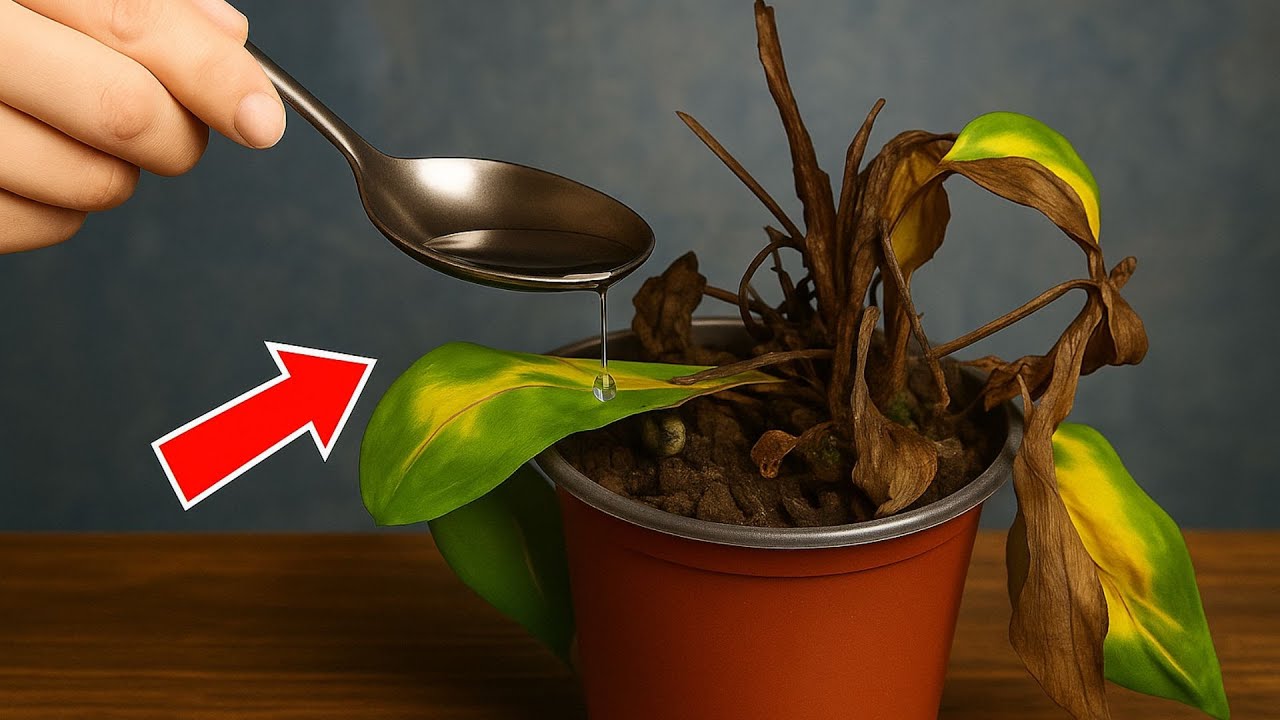
Revive Your Dying Plant with Just 1 Spoon of This Secret Ingredient!
Revive Your Dying Plant with a Secret Ingredient
- Introduction
- Understanding Your Plant’s Needs
- Benefits of the Secret Ingredient
- Using the Secret Ingredient
- Common Mistakes to Avoid
- FAQ
- Conclusion
Introduction
You’ve likely experienced a moment of panic when you spot your beloved plant looking droopy and lifeless. It’s disheartening to watch something you’ve nurtured falter, leaving you wondering what went wrong. Perhaps you’ve tried various remedies with only minimal success. What if there’s a simple yet effective way to breathe new life into your plant? Continue reading to discover a surprisingly straightforward solution.
Understanding Your Plant’s Needs
A plant’s health relies on various factors, including its environment, water, nutrients, and light. Before using any remedy, it’s essential to assess your plant’s specific needs.
1. Assess Light Requirements
Every plant has unique light requirements. Some thrive in bright, indirect sunlight, while others prefer low-light conditions. Check your plant’s needs by:
- Researching your specific type of plant to find its ideal light conditions.
- Observing its current environment to see if adjustments are necessary.
2. Check Watering Practices
Over-watering or under-watering can lead to stress. Use these tips:
- Feel the top inch of soil. If it’s dry, water your plant.
- Observe your plant’s leaves. Yellowing leaves may indicate over-watering.
3. Evaluate Nutrient Levels
Many houseplants require nutrients beyond what is found in typical potting soil. Understand these basic needs:
- Fertilizer should be applied during the growing season.
- Opt for organic options whenever possible to ensure safety.
Benefits of the Secret Ingredient
The ingredient that can bring life back to your struggling plant is humble Epsom salt. This natural mineral contains magnesium and sulfate, both essential for plant health.
1. Magnesium Boost
Magnesium plays a crucial role in photosynthesis, helping your plant produce energy. Increased magnesium can lead to:
- Healthier, greener leaves.
- Improved blooming in flowering plants.
2. Nutrient Absorption
Sulfate helps in the absorption of other nutrients, ensuring your plant gets everything it needs. Benefits include:
- Enhanced nutrient uptake, particularly calcium.
- Improved overall plant vigor.
3. Cost-Effective Solution
Using Epsom salt is a budget-friendly way to support your plants. You can:
- Add it to your regular fertilizing routine.
- Make a simple foliar spray to address nutrient deficiencies.
Using the Secret Ingredient
Integrating Epsom salt into your plant care routine is straightforward. Follow these steps to ensure effective application:
1. Mix Epsom Salt Solution
To create a nutrient solution:
- Combine 1 tablespoon of Epsom salt with 1 gallon of water.
- Stir until the salt fully dissolves.
2. Apply to the Soil
After mixing your solution, it’s time to nourish your plant:
- Water your plant with the Epsom salt solution every month.
- Adjust the frequency based on your plant’s health and growth conditions.
3. Foliar Spray Method
If you prefer a foliar application, follow these steps:
- Fill a spray bottle with the Epsom salt solution.
- Lightly spray the leaves, ensuring even coverage.
This method allows for quick absorption directly through the leaves, giving your plant an immediate boost.
Common Mistakes to Avoid
Even with good intentions, you might encounter pitfalls when using Epsom salt for your plants. Here are some common mistakes to watch out for:
1. Overuse of Epsom Salt
Using too much can lead to nutrient imbalances. Stick to recommended amounts to avoid overwhelming your plant.
2. Ignoring Plant Symptoms
Failing to identify underlying issues can result in ineffective treatments. Always observe your plant’s condition first.
3. Neglecting Other Nutrients
Epsom salt is beneficial, but it’s not a complete fertilizer. Be sure to provide a well-rounded nutrient regimen for optimal growth.
FAQ
Can Epsom salt harm my plant?
If used in moderation, Epsom salt is safe for your plants. However, overapplication can lead to nutrient buildup.
How often should I apply Epsom salt to my plants?
Applying Epsom salt every four to six weeks is generally sufficient, but adjust based on your plant’s specific needs and health.
What plants benefit most from Epsom salt?
Plants such as tomatoes, peppers, and roses often show considerable improvement when treated with Epsom salt due to their nutrient demands.
Conclusion
Reviving a struggling plant can be as easy as using Epsom salt to restore balance. Understanding your plant’s needs and applying the secret ingredient correctly can lead to a healthier, more vibrant plant. What challenges have you faced in caring for your plants? Share your experiences in the comments!