Avoid These 7 Foods to Relieve Back Pain for Good!
Avoid These 7 Foods to Relieve Back Pain for Good
- Introduction
- Understanding Inflammatory Foods
- Seven Foods to Avoid
- Common Mistakes to Avoid
- FAQ
- Conclusion
Introduction
Many people experience back pain at some point, often trying various remedies without finding lasting relief. You may find yourself reaching for comfort foods, only to realize that some of them may actually intensify your discomfort. The connection between what you eat and how you feel should not be underestimated. By making mindful choices in your diet, you have the potential to alleviate some of that nagging back pain. Read on to explore which foods could be holding you back.
Understanding Inflammatory Foods
Before diving into specific foods to avoid, it’s essential to grasp what inflammatory foods are and how they impact your body. Inflammation can exacerbate pain in various parts of your body, including your back.
How Inflammation Affects Back Pain
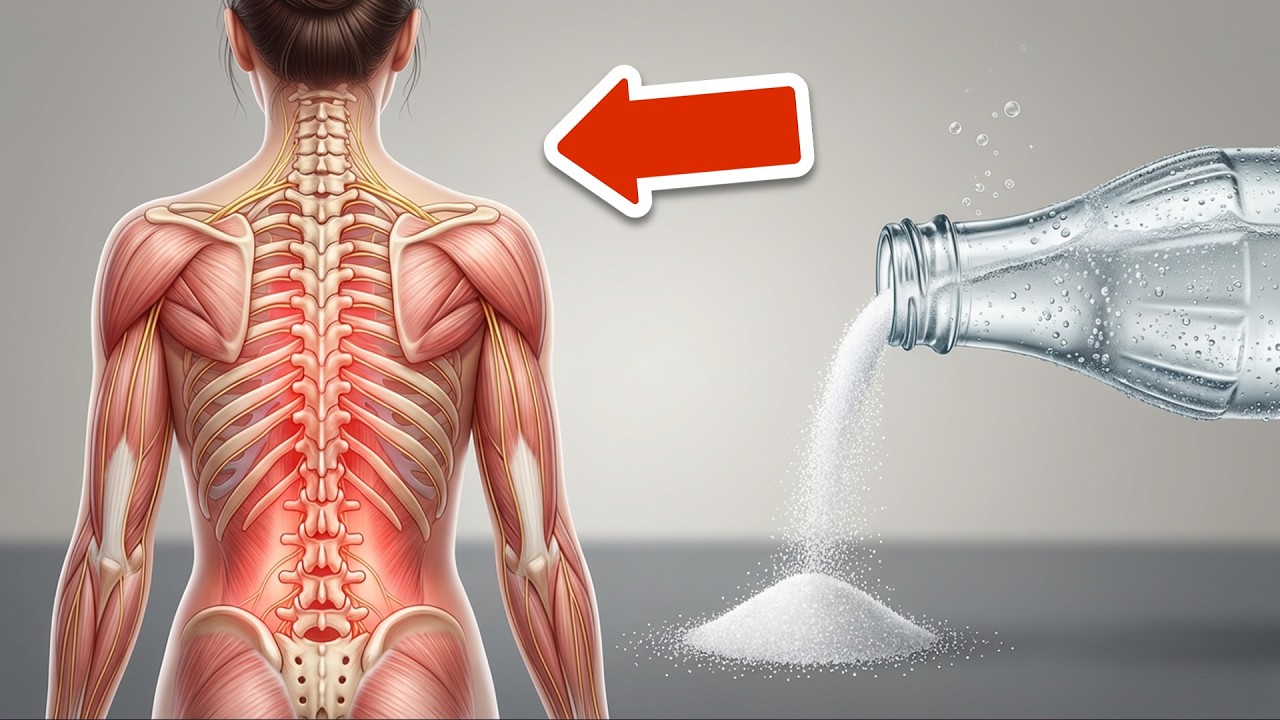
When your body is in an inflammatory state, it may lead to increased sensitivity and discomfort in your back. This condition can stem from different sources, including dietary choices.
Identifying Trigger Foods
Pay attention to how your back feels after consuming certain foods. For many, common trigger foods can worsen inflammation. Keeping a food diary can help pinpoint these foods.
Seven Foods to Avoid
Here’s a list of seven foods that you should consider eliminating from your diet to help relieve back pain:
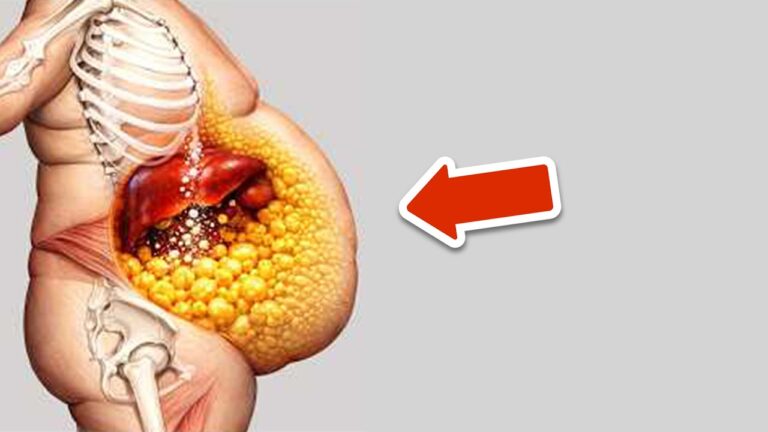
- Sugar: Excess sugar can lead to increased inflammation. Avoid sugary snacks, sodas, and desserts.
- Processed Foods: Foods that are heavily processed often contain unhealthy fats, sugars, and preservatives that can contribute to overall inflammation.
- Refined Carbohydrates: White bread, pastries, and other refined carbohydrates can spike your blood sugar and increase inflammation.
- Fried Foods: Fried foods are often high in trans fats, which promote inflammation and can worsen pain.
- Excessive Alcohol: Drinking too much alcohol can result in inflammation, leading to further discomfort in your back.
- Red and Processed Meats: High consumption of red and processed meats has been linked to increased pain and inflammation.
- Gluten: For some, gluten can be a trigger for inflammation. Consider experimenting with gluten-free options.
Tips for Making Dietary Changes
Transitioning away from these foods doesn’t have to be daunting. Start slowly, replacing one or two items each week.
- Replace sugary snacks with fresh fruits.
- Opt for whole grain options over refined ones.
- Prepare meals at home to control what goes into your food.
Common Mistakes to Avoid
When trying to eliminate inflammatory foods from your diet, many people make certain mistakes that can hinder their progress.
- 1. Sneaking in Sugary Drinks: Even drinks labeled as “healthy” can contain added sugars. Stick to water or herbal teas.
- 2. Missing Nutritional Balance: Eliminating foods without substituting them for healthier options can lead to nutrient deficiencies.
- 3. Ignoring Portion Sizes: Eating large portions of other unhealthy foods can negate any benefits of avoiding the listed foods.
- 4. Getting Discouraged Too Quickly: Changes take time. It’s important to be patient and consistent in your efforts.
FAQ
Can certain foods reverse back pain? While no food can reverse back pain, avoiding inflammatory foods may relieve some discomfort and support healing.
How long does it take to notice changes from dietary adjustments? You may start to notice changes within a few weeks of consistently avoiding inflammatory foods.
Should I consult a doctor before making significant dietary changes? Yes, especially if you have underlying health conditions, it’s wise to talk to a healthcare professional.
Conclusion
By being mindful of what you eat and avoiding these seven foods, you can potentially reduce inflammation and find relief from back pain. What dietary changes have you considered to improve your well-being? Share your thoughts in the comments below.