Discover 5 Simple Steps to Propagate Roses Effortlessly!
How to Propagate Roses: A Simple Guide for Your Garden
- Introduction
- Understanding Rose Propagation
- Preparing the Cuttings
- Planting the Cuttings
- Common Mistakes
- FAQ
- Conclusion
Introduction
Have you ever admired a friend’s beautiful rose garden and wished you could grow your own? The vibrant blossoms often seem like a dream, but many people think that propagating roses is too complex for the average gardener. However, with the right steps and a little patience, you can easily create stunning rose plants right in your backyard. This guide will help you understand the basics of rose propagation, leading you through each step of the process.
Understanding Rose Propagation
The first step in how to propagate roses is to understand what propagation involves. It’s essentially the process of creating new plants from existing ones, and roses can be propagated in several ways, including through cuttings, layering, and grafting. Cuttings are the most popular method because they are straightforward and typically yield successful results.
Types of Rose Cuttings
- Softwood cuttings: Taken from new growth in spring.
- Hardwood cuttings: Sourced from dormant stems in late fall or winter.
- Leaf bud cuttings: Made from sections that contain at least one leaf and a bud.
Benefits of Propagating Roses
By propagating roses, you not only expand your garden but also save money on purchasing new plants. It’s a rewarding process that gives you a great sense of accomplishment as you watch your new roses flourish.
Preparing the Cuttings
The second step involves preparing the cuttings for propagation. This is crucial for their survival and growth.
Gathering Your Materials
Before you start, collect the necessary materials:
- Sharp pruning shears
- Rooting hormone (optional, but recommended)
- Potting soil or a propagation medium
- Containers (small pots or trays)
Taking the Cuttings
Follow these steps:
- Select healthy stems that are about 6-8 inches long.
- Cut below a leaf node to encourage rooting.
- Remove the lower leaves, leaving a couple of leaves at the top.
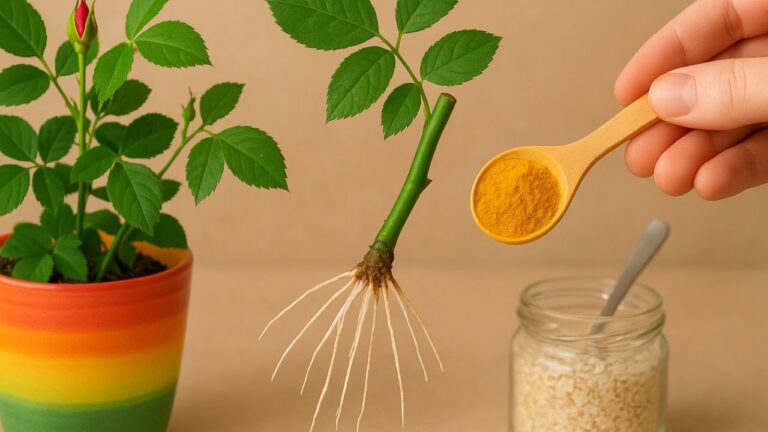
- Dip the cut end in rooting hormone, if using.
Planting the Cuttings
Once your cuttings are prepared, it’s time to plant them properly. This critical step ensures they establish roots and eventually grow into robust plants.
Choosing the Right Medium
Use a well-draining potting mix or propagation medium to help retain moisture while preventing rot. You can create your own mix with equal parts of potting soil, perlite, and sand.
Planting Steps
To plant your cuttings, follow these instructions:
- Fill your containers with the prepared medium.
- Make a hole in the medium with your finger or a pencil.
- Insert the cutting into the hole, ensuring the cut end is buried.
- Water the medium gently to ensure it’s moist but not waterlogged.
- Cover the container with a plastic bag or a clear plastic dome to create humidity.
Common Mistakes
Even experienced gardeners can make mistakes when propagating roses. Avoid these common errors to improve your success rate.
- Using cuttings that are too woody: Opt for fresh growth instead.
- Overwatering: Ensure the medium is moist, not soggy, to prevent rot.
- Neglecting humidity: Covering cuttings helps maintain moisture but ensure there’s airflow.
- Ignoring sunlight: Place your cuttings in indirect sunlight to encourage growth without stress.
FAQ
How long does it take for rose cuttings to root?
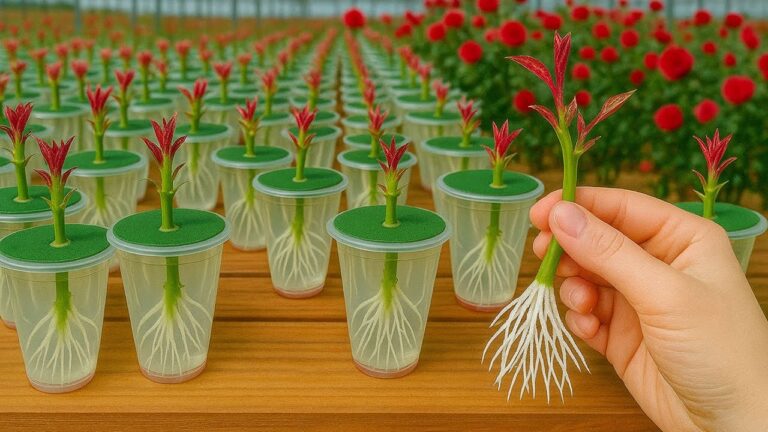
Typically, you can expect roots to develop within 2 to 6 weeks, depending on the variety and conditions.
Should I water my cuttings every day?
Water your cuttings as needed, keeping the soil moist but not overly saturated. Check daily and adjust based on the moisture level.
Can I propagate roses in water?
Yes, some gardeners successfully propagate roses in water, though it’s generally less reliable than using soil.
Conclusion
Learning how to propagate roses is a fulfilling experience that can enhance your garden beautifully. By following these steps and avoiding common pitfalls, you can enjoy watching your new plants grow and bloom. What varieties of roses are you excited to propagate? Share your thoughts in the comments below!