
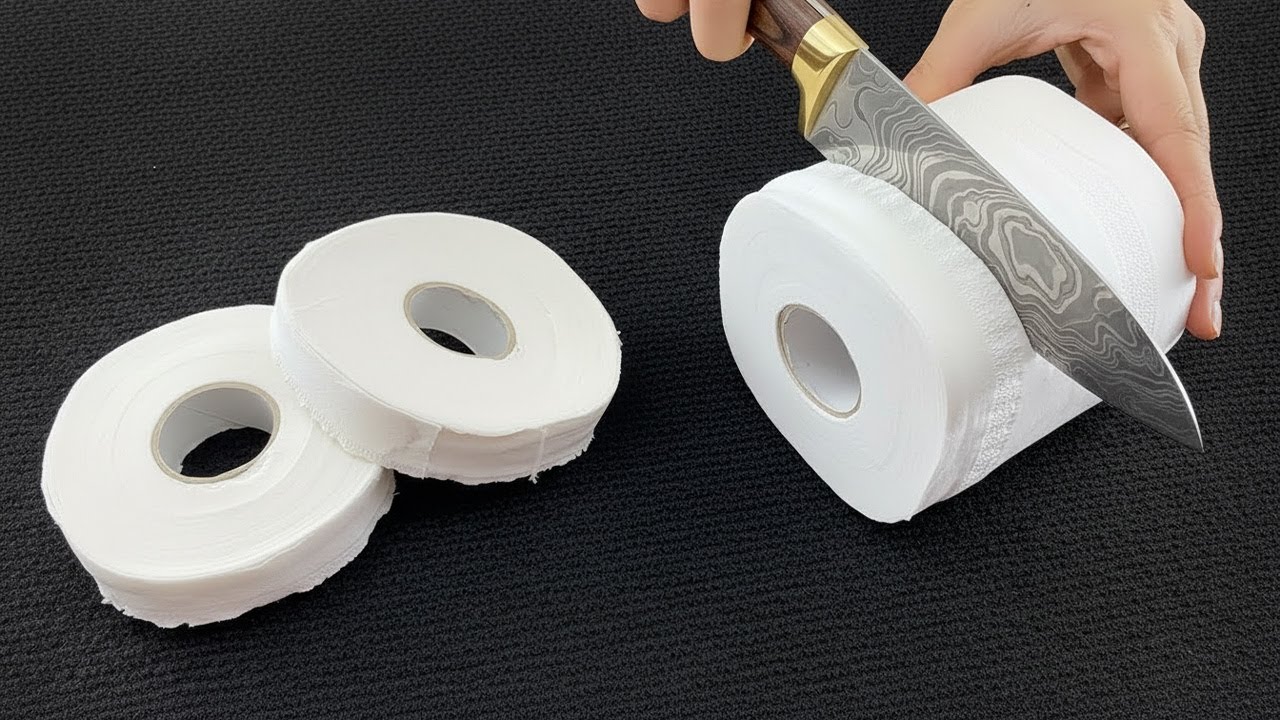
Cut Your Toilet Paper Right: 5 Ways to Save Big and Boost Your Budget!
Cut Your Toilet Paper Right: 5 Ways to Save Big and Boost Your Budget
- Practical Strategies for Reducing Usage
- Budget-Friendly Toilet Paper Alternatives
- Proper Storage Techniques
- Common Mistakes When Saving
- FAQs
Practical Strategies for Reducing Usage
Every household experiences the challenge of managing expenses, and one such item that can add up significantly is toilet paper. Many families find themselves frequently replenishing their supply, leading to startling monthly costs. You may wonder how a few simple adjustments can lead to noticeable savings. Taking a closer look at your toilet paper usage can reveal several practical strategies on how to cut back. Let’s explore some actionable steps to help you save.
1. Assess Your Usage
Begin by tracking how much toilet paper your household uses over the course of a week. This assessment can provide insight into patterns or habits you may not have noticed before. Consider keeping a small notepad in the bathroom to jot down how many rolls you finish each week.
2. Teach Proper Usage
When it comes to reducing toilet paper waste, education is essential. Explain to family members about using an appropriate amount for their needs. A simple tip is to encourage a wrap method rather than multiple sheets laid out flat. This way, each person can use a reasonable amount, reducing waste.
3. Use Single Sheets Wisely
Instead of using multiple sheets at once, train yourself and others to utilize single sheets. You can experiment with different techniques, such as folding or using the scrunching method, to maximize effectiveness while minimizing usage.
Budget-Friendly Toilet Paper Alternatives
If you seek to trim down your expenses further, considering alternative options can be a great way to promote savings. While traditional toilet paper may feel like a necessity, there are several other choices that can fit your budget.
1. Family Cloth
Many find the family cloth method a sustainable alternative. Using washable cloth scraps instead of disposable toilet paper can significantly reduce waste. Designate a container for used cloth that can be easily laundered after use. Just make sure to choose soft, absorbent materials.
2. Bidets
Investing in a bidet can be a long-term solution to toilet paper usage. Many options fit conveniently to your existing toilet and can reduce—if not eliminate—the need for toilet paper. Consider a simple attachment that offers comfort and cleanliness while saving your budget.
3. Recycled Paper Products
If you still prefer disposable options, consider purchasing recycled toilet paper. These products not only come from sustainable sources but often cost less than traditional varieties. Look for brands that are eco-conscious and meet your quality expectations.
Proper Storage Techniques
Properly storing your toilet paper can also contribute to preserving quality and ensuring you’re not buying unnecessary extra rolls. Smart organization helps maintain your budget effectively.
1. Designated Space
Choose a designated area for your toilet paper storage, which makes it easy to track how much you have. Store it in a way that you can easily see your inventory, preventing overbuying. Use clear containers to comfortably hold several rolls.
2. Keep Stocked
Avoid unexpected trips to the store by keeping just enough toilet paper stocked for emergencies. This may vary depending on your family’s size and habits, but a manageable amount can help balance overspending while ensuring you don’t run out.
3. Consider the Environment
When selecting products, always consider the environmental impact. Choosing paper with minimal packaging or made from sustainable materials reduces your footprint while also potentially lowering costs in the long run.
Common Mistakes When Saving
As you embark on your journey to save money on toilet paper, being aware of common mistakes can help you refine your approach. Here are a few things to watch out for:
1. Not Keeping Track of Usage
One major mistake is failing to monitor how much toilet paper you’re actually using. Without this information, you may overlook ways to decrease waste.
2. Forgetting to Educate Family Members
Assuming everyone understands how to conserve may lead to misunderstandings and waste. It’s crucial to communicate your goals clearly.
3. Overlooking Alternatives
Not exploring alternative options can limit your ability to save. Consider various alternatives beyond traditional toilet paper to discover what suits your household best.
FAQs
What is the best alternative to toilet paper?
Many people find that family cloth or bidets serve as effective alternatives. Both options can significantly reduce or eliminate toilet paper usage.
How can I measure my toilet paper consumption?
Tracking your usage over a week or month can help identify patterns. Keep a record of how many rolls your household uses during this time.
Are recycled toilet papers better for the environment?
Yes, choosing recycled toilet paper products helps reduce waste and promotes sustainable practices compared to traditional options made from virgin fibers.
Conclusion
By implementing these strategies and alternatives, you can effectively cut down on toilet paper expenses while fostering sustainable habits. Which of these methods do you plan to try first? Share your thoughts in the comments!