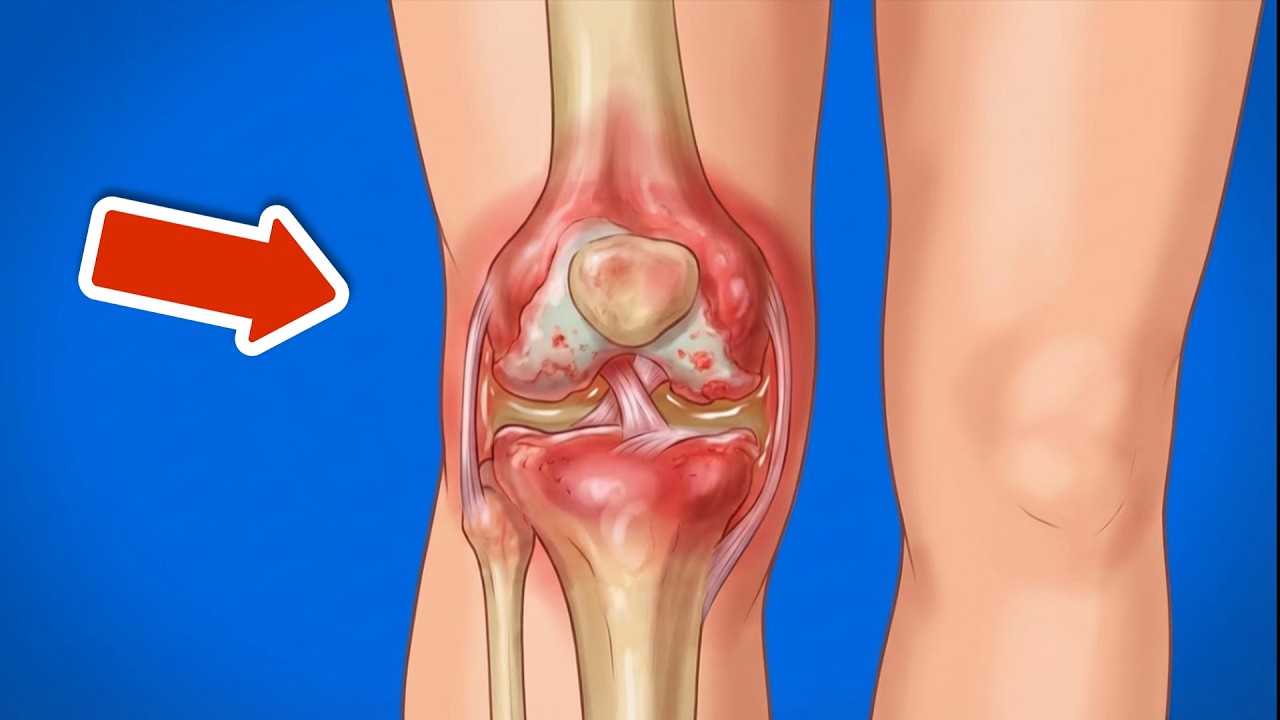
Discover 5 Surprising Reasons Your Joints Won’t Heal and How to Fix Them!
Understanding Why Your Joints Won’t Heal and How to Address Them
- Introduction
- Common Causes of Joint Healing Issues
- Natural Remedies for Joint Health
- Lifestyle Changes to Support Healing
- Mistakes to Avoid When Healing Joints
- FAQ
- Conclusion
Introduction
If you’ve ever experienced persistent joint pain or found that your joints seem to take an unusually long time to heal, you’re not alone. Many people face similar challenges, and it can be frustrating to navigate. The reasons for slow healing can be multifaceted, ranging from lifestyle choices to underlying health conditions. Understanding these factors can be key to improving your joint health. Let’s delve into the common issues impacting joint recovery and explore practical solutions you can implement.
Common Causes of Joint Healing Issues
Identifying why your joints may not be healing properly is the first step towards improving their condition. Here are some potential culprits:
1. Inflammation
Chronic inflammation is often at the heart of joint pain and can hinder the body’s natural healing processes. Consider anti-inflammatory foods such as leafy greens, nuts, and berries to help manage inflammation.
2. Nutritional Deficiencies
A lack of essential nutrients can impede recovery. Pay particular attention to these nutrients:
- Vitamin D: Supports calcium absorption for strong bones.
- Omega-3 fatty acids: Help reduce inflammation.
- Collagen: Vital for maintaining joint health.
3. Excessive Physical Stress
Pushing your joints too hard can impede healing. Aim to balance physical activities with rest, especially if you’re recovering from an injury.
Natural Remedies for Joint Health
Natural remedies can play a significant role in soothing joint discomfort and promoting healing. Here are some options to consider:
1. Turmeric and Ginger
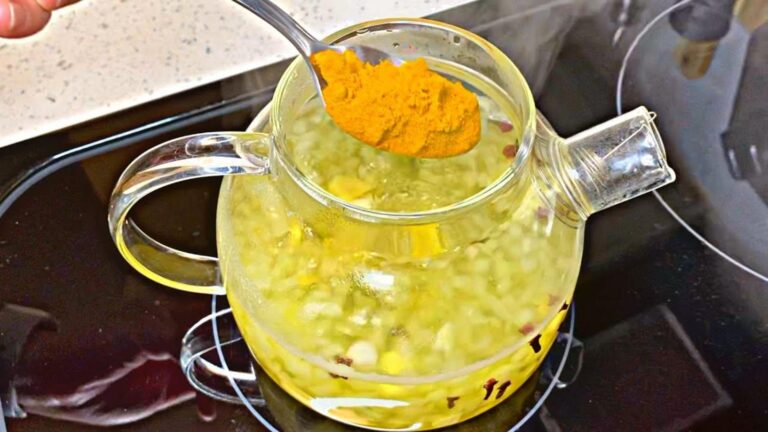
Both turmeric and ginger have robust anti-inflammatory properties. You can make a soothing tea by boiling slices of fresh ginger and adding a teaspoon of turmeric.
2. Epsom Salt Baths
Soaking in an Epsom salt bath may help relax your muscles and reduce joint pain. Here’s how to prepare it:
- Fill: Your bathtub with warm water.
- Add: 2 cups of Epsom salt.
- Soak: For at least 15-20 minutes.
3. Herbal Compresses
Using herbal compresses made from eucalyptus or chamomile can provide localized relief. Apply a warm compress to your affected joints for a soothing effect.
Lifestyle Changes to Support Healing
Making specific lifestyle adjustments can create a supportive environment for joint recovery. Consider the following changes:
1. Regular, Gentle Exercise
Incorporating gentle exercises such as yoga or swimming can improve flexibility without putting too much strain on your joints.
2. Adequate Hydration
Staying well-hydrated is crucial. Aim for at least 8 cups of water a day to keep joints lubricated.
3. Weight Management
Excess weight puts added stress on your joints. Maintaining a healthy weight through a balanced diet and regular physical activity can significantly improve joint health.
Mistakes to Avoid When Healing Joints
When working on your joint health, being aware of common mistakes can save you time and frustration. Here are a few pitfalls to avoid:
1. Skipping Physical Therapy
Many individuals skip recommended physical therapy or exercises, which can prolong recovery. Adhering to professionally suggested routines is essential.
2. Neglecting Signs of Inflammation
Ignoring swelling or persistent pain can exacerbate joint problems. Always listen to your body and consult with a healthcare professional if symptoms persist.
3. Overlooking Sleep Quality
Not prioritizing sleep can hinder your body’s healing processes. Aim for 7-9 hours of quality sleep each night to support recovery.
FAQ
What are the best foods for joint health?
Foods rich in omega-3 fatty acids, antioxidants, and vitamins, such as fish, nuts, leafy greens, and berries, are beneficial for joint health.
How long does it take for joints to heal?
The healing time for joints can vary widely depending on the injury. Minor strains may heal within a few weeks, while more severe conditions may take several months.
Are there exercises to avoid with joint pain?
High-impact activities like running or heavy weightlifting can worsen joint pain. It’s best to focus on low-impact exercises like swimming or cycling.
Conclusion
Understanding the reasons behind your joints’ slow healing is vital for finding effective solutions. Incorporating natural remedies and essential lifestyle changes can significantly enhance your recovery process. What strategies have you found helpful in supporting your joint health?