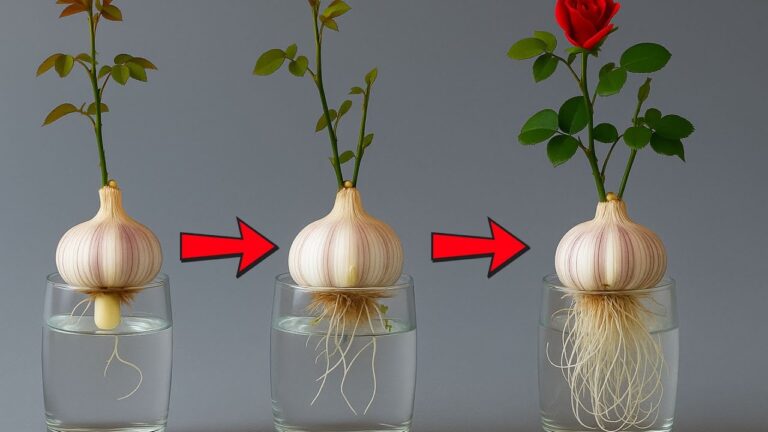
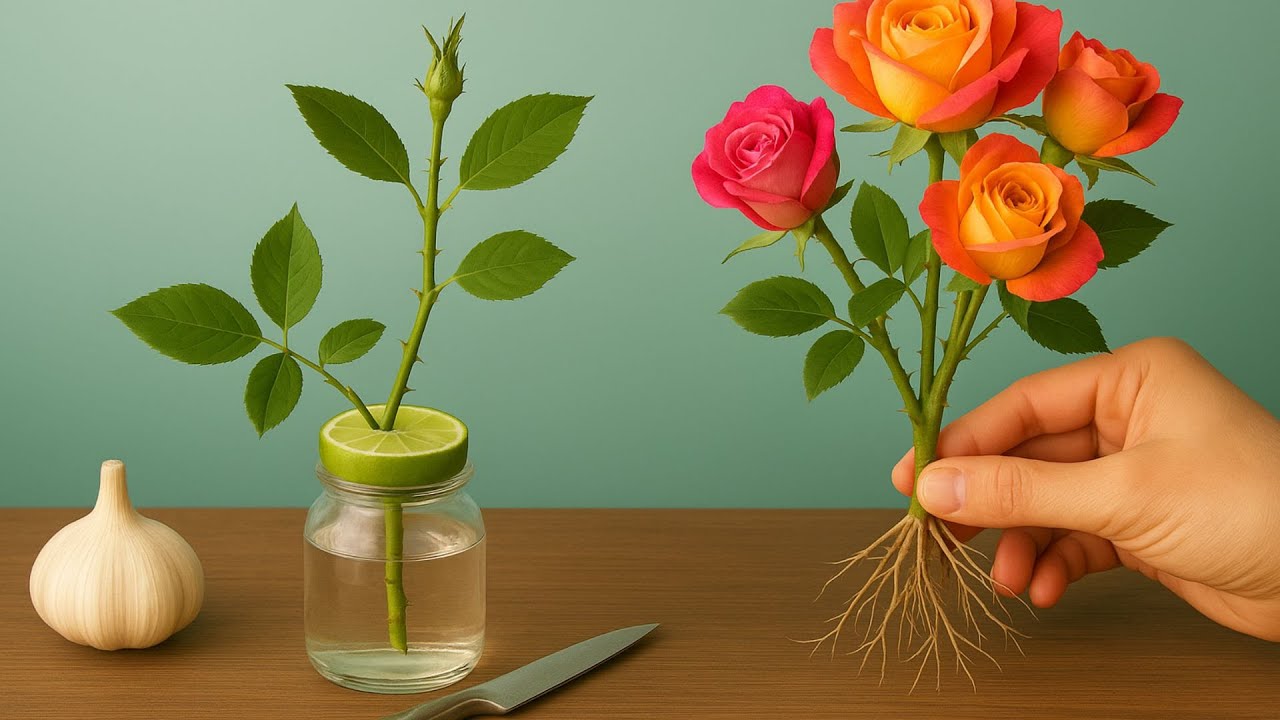
Grow 1001 Roots Overnight: Simply Stick a Rose Stem in Water!
Growing Rose Roots Overnight: How to Propagate Roses in Water
- Introduction
- Choosing the Right Rose Stems
- Preparing Your Rose Stems
- The Rooting Process
- Common Mistakes to Avoid
- FAQ
- Conclusion
Introduction
Have you ever admired a beautiful rose bush in your neighbor’s garden and wished you could replicate that beauty at home? Perhaps you’ve received roses as a gift and want to find a way to keep their vibrant legacy alive. Propagating roses by sticking a stem in water might seem simple, but many factors can influence your success. Understanding the process can help ensure that your efforts result in thriving new plants. Read on to explore how you can grow roots from rose stems with ease.
Choosing the Right Rose Stems
Choosing the right rose stems is crucial for successful propagation. Healthy stems lead to strong roots, so consider the following tips.
1. Select Healthy Stems
- Look for stems that are about 6 to 8 inches long.
- Ensure the stems are green and firm, with no signs of disease or damage.
2. Seasonal Considerations
Spring is the ideal time to take cuttings, as roses are in their growth phase. However, you can also propagate in early summer. Avoid late-season cuttings that may struggle to root.
3. Variety Matters
Different rose varieties may propagate with varying degrees of success. Hybrid tea roses and floribundas are popular for this method, while some old-fashioned types might need a different approach.
Preparing Your Rose Stems
Preparation of your chosen rose stems is essential to encourage healthy root development. Here’s a simple guide.
1. Make a Clean Cut
- Use clean, sharp pruning shears to make a cut at a 45-degree angle just below a leaf node.
- Remove any leaves from the lower half of the stem to prevent rot.
2. Use Rooting Hormone (Optional)
While not necessary, using a rooting hormone can enhance your chances of success. Simply dip the cut end of the stem into the hormone powder before placing it in water.
3. Water Quality Matters
Use filtered or distilled water if possible, as tap water can contain chlorine and other chemicals that may inhibit root growth. Change the water every few days to keep it fresh.
The Rooting Process
Now that your rose stems are prepared, let’s explore the rooting process.
1. Place in Water
- Fill a clear glass jar or vase with water, leaving enough room for the cut stems.
- Place the stems in the water, ensuring the leaf nodes are submerged but not the leaves themselves.
2. Sunlight Considerations
Situate the jar in a warm area with indirect sunlight. Too much direct sunlight can heat the water, while too little can slow root growth.
3. Monitor Growth
Check your stems regularly for signs of root growth, which can take anywhere from a few days to several weeks. You’ll notice small white roots beginning to form. Once they are around 2 inches long, your rose cuttings are ready to be planted in soil.
Common Mistakes to Avoid
1. Cutting Too Many Stems
While it can be tempting to propagate many stems simultaneously, focusing on a few high-quality options increases your chances of success.
2. Not Changing the Water
Failing to change the water regularly can lead to stagnation, encouraging bacterial growth that impedes root development.
3. Submerging Leaves
Allowing leaves to sit in water can cause them to rot, which can negatively affect the entire stem’s ability to root.
FAQ
Q: How long does it take for rose cuttings to root?
A: It typically takes about 2 to 4 weeks for roots to develop, depending on the variety and environmental conditions.
Q: Can I propagate any rose variety in water?
A: Most rose varieties can be propagated in water, but some may require different methods for optimal success.
Q: What should I do if my rose cuttings don’t root?
A: If your cuttings fail to root, reassess the health of your stems and the care conditions, making adjustments as necessary for future attempts.
Conclusion
Successfully propagating roses in water can lead to a beautiful new addition to your garden. With careful selection and proper care, you can enjoy the results of your efforts. Have you tried propagating roses before? Share your experiences in the comments below!