Root Rose Petals 100 Times Faster with This Simple and Affordable Hack!
Root Rose Petals 100 Times Faster with This Simple Hack
- Introduction
- Why Roses Fail to Root
- Simple Rooting Hack
- Caring for Your Rooted Roses
- Common Mistakes
- FAQ
- Conclusion
Introduction
Many gardeners face the disappointment of watching their root rose petals struggle to establish themselves. Despite your best efforts, some cuttings seem to languish rather than take root. This experience can be frustrating, especially when you’ve invested time and care into the process. However, there’s an approach that can help speed things up significantly. Continue reading to discover a simple and effective method for enhancing your rose propagation success.
Why Roses Fail to Root
Understanding the common reasons roses struggle to root can guide you in making effective improvements. Here are some key factors that may be holding your cuttings back:
- Poor soil conditions: Well-draining and nutrient-rich soil is essential for successful rooting.
- Humidity levels: Roses thrive in humid environments. Low humidity can lead to desiccation before roots develop.
- Timing: The season in which you take your cuttings can dramatically affect their success rate.
Soil Preparation Tips
Ensuring your soil is optimal can make a big difference. Mix potting soil with sand or perlite to improve drainage and aeration.
Monitoring Humidity
Using a clear plastic bag or a mini-greenhouse can help maintain a humid environment for your cuttings.
Simple Rooting Hack
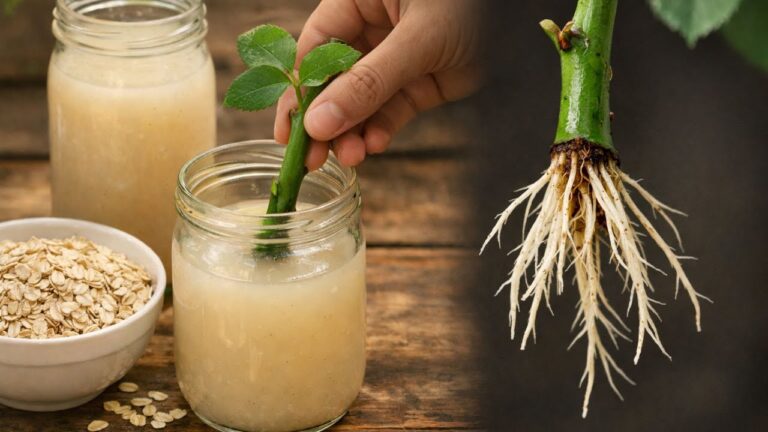
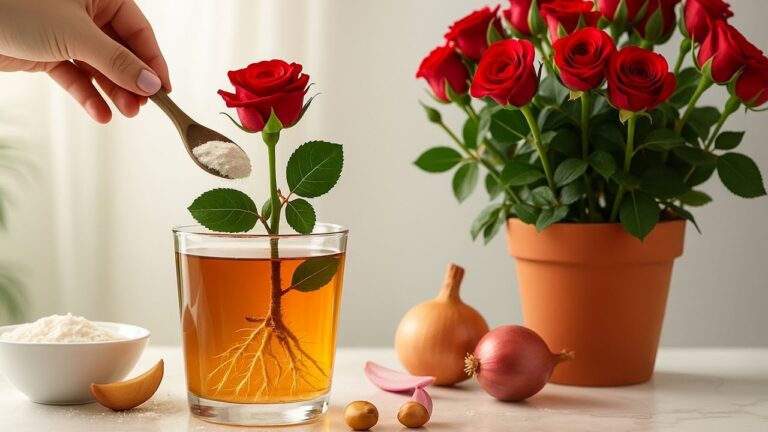
One effective method to enhance the rooting process is by utilizing a homemade rooting hormone. This method can potentially speed up the rooting time of your rose cuttings.
Ingredients for the Homemade Rooting Hormone
- 1 cup of willow tree water (soak fresh willow branches in water for 24 hours)
- 1 tablespoon of honey
Steps for Application
- Prepare the cuttings: Take 6–8 inch cuttings from healthy rose stems just below a leaf node.
- Dip the ends: Submerge the cut end of each cutting in the homemade rooting hormone.
- Plant in soil: Place each cutting in prepared potting soil and gently water it in.
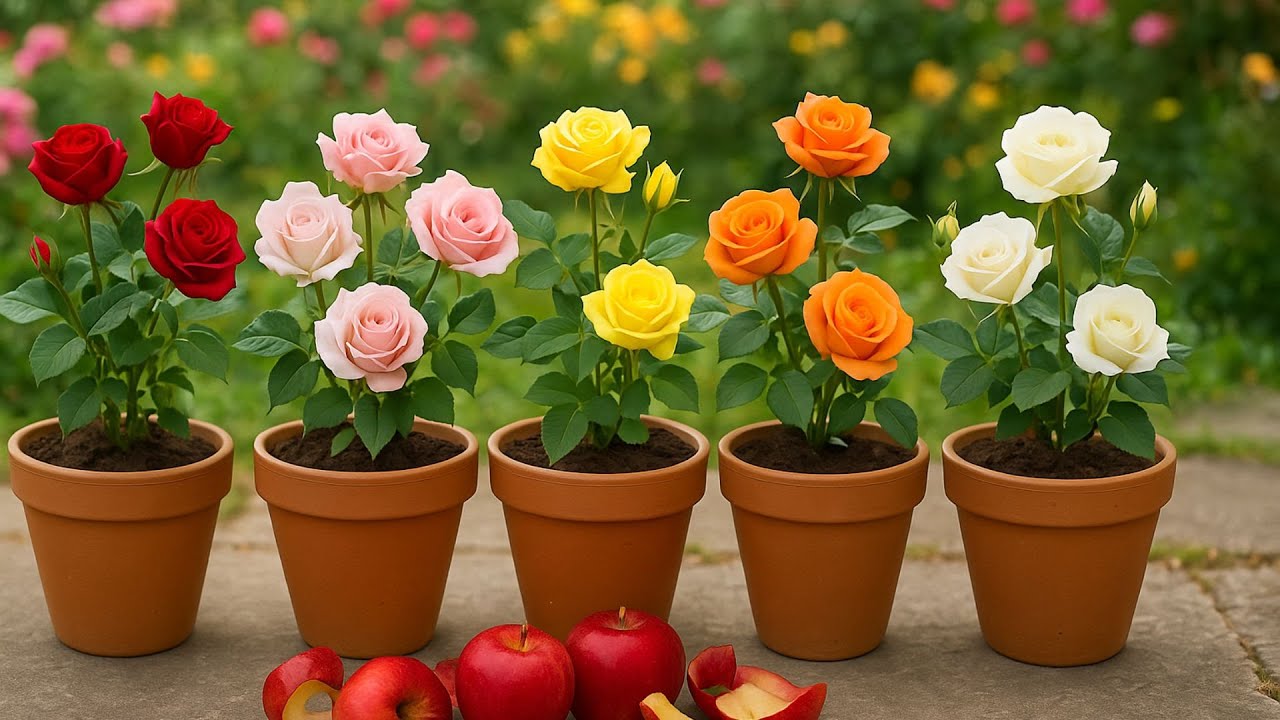
Visualizing the Process
Consider using small pots to house each cutting, which allows for manageable care and monitoring of moisture levels.
Caring for Your Rooted Roses
Once your cuttings are planted, they need proper care to thrive. Here are some essential tips:
Watering Schedule
Maintain consistent moisture but avoid overwatering, as it can lead to rot. Water when the top inch of soil feels dry.
Light Conditions
Provide bright, indirect light for your cuttings. Too much direct sunlight can scorch the leaves.
Common Mistakes
Avoid these pitfalls to improve your chances of successful propagation:
- Not using a rooting hormone: Skipping this step can slow down the rooting process.
- Planting in overly dense soil: Heavy soil can impede root growth. Always choose a well-aerated mix.
- Ignoring humidity needs: Failing to provide a humid environment can lead to cuttings drying out quickly.
FAQ
What are the best types of roses to propagate? Climbing roses and hybrid tea roses are popular choices for propagation due to their strong growth characteristics.
How long does it take for rose cuttings to root? Generally, you can expect to see roots developing within 4 to 6 weeks using the right methods.
Can I use store-bought rooting hormones? Yes, store-bought rooting hormones can also be effective. However, homemade versions are often more natural and economical.
Conclusion
By understanding the reasons behind unsuccessful rooting and employing a simple homemade hormone, you can significantly enhance your chances of propagating beautiful roses. If you have any tips or experiences to share, I’d love to hear your thoughts in the comments!