Discover 5 Surprising Benefits of Using Aluminum Foil in Boiling Water for Your Cutlery!
Discover the Surprising Benefits of Using Aluminum Foil in Boiling Water for Your Cutlery
- Benefits of Using Aluminum Foil
- How It Works
- Tips for Using Aluminum Foil
- Common Mistakes to Avoid
- FAQ
Have you ever noticed how quickly cutlery can dull over time? Tired of scrubbing away at stubborn stains and tarnish? You might be surprised to learn that a simple kitchen staple could make a significant difference. Using aluminum foil in boiling water isn’t just a quirky trick; it comes with remarkable benefits that can restore your cherished cutlery to its former shine. Keep reading to uncover how this simple method can help you maintain your kitchen tools.
Benefits of Using Aluminum Foil
Incorporating aluminum foil into your cutlery cleaning routine offers several rewards. Here are some compelling advantages:
- Restores Shine: The chemical reaction between aluminum foil and tarnished silverware can effectively lift tarnish, leaving your cutlery gleaming.
- Non-Toxic Cleaning: This method is a natural alternative to harsh chemicals that might damage your cutlery or be unsafe for your family.
- Quick and Efficient: The process minimizes scrubbing time, making it easier to maintain your kitchen tools without excessive elbow grease.
- Cost-Effective: Most households already have aluminum foil, making this method an easy and accessible solution for cutlery care.
- Environmentally Friendly: By using a natural cleaning method, you’re also reducing your carbon footprint compared to manufactured cleaning products.
How Aluminum Foil Works
The science behind this trick is relatively straightforward. When aluminum foil is introduced to boiling water, a chemical process occurs:
- The foil acts as an electrochemical agent.
- This reaction transfers electrons, helping to eliminate tarnish.
- Common household ingredients like baking soda can enhance this effect.
How It Works
To fully understand how effective this method is, it’s essential to know what you need and how to implement it correctly.
Materials Needed
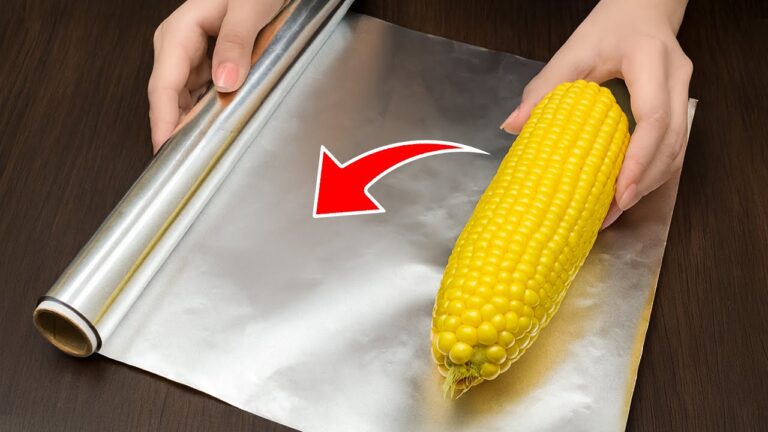
- Aluminum Foil: Use a sheet of heavy-duty aluminum foil for best results.
- Boiling Water: Enough to submerge your cutlery fully.
- Baking Soda: Optional, for additional cleaning power.
Step-by-Step Process
Here’s how you can utilize this method effectively:
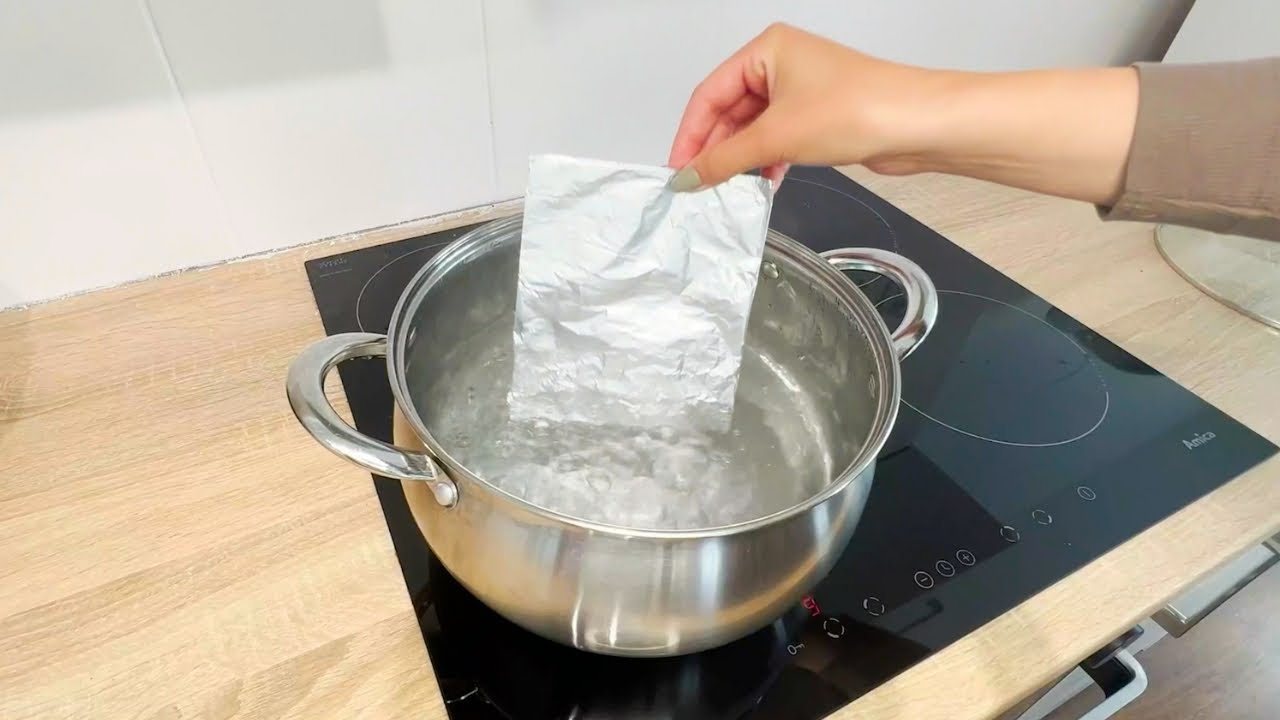
- Line: Line a pot with a piece of aluminum foil, shiny side up.
- Boil: Add enough water to cover your cutlery and bring it to a rolling boil.
- Add: If using, add a tablespoon of baking soda to the boiling water.
- Insert: Carefully place your cutlery in the pot, ensuring it touches the aluminum foil.
- Wait: Allow the cutlery to soak for about 10 minutes before removing.
Tips for Using Aluminum Foil
To maximize the effectiveness of this method, keep the following tips in mind:
- Ensure that your cutlery is fully submerged in the water for optimal results.
- Use gloves when handling hot water and cutlery to prevent burns.
- Always rinse cutlery thoroughly after the process to eliminate any baking soda residue.
Common Mistakes to Avoid
While this method is straightforward, there are some common pitfalls to watch for:
- Avoid using aluminum foil with non-metal cutlery, as the reaction can vary and might damage certain materials.
- Do not skip rinsing your cutlery after the cleaning process; residues can damage the finish.
- Be cautious with the temperature of the boiling water to prevent burns or injuries.
FAQ
Can I use this method on all types of cutlery?
While it’s effective for most silver and stainless-steel cutlery, avoid using it on non-metal materials like plastic or wood.
How often should I clean my cutlery this way?
It depends on usage, but a monthly cleaning is often sufficient to maintain shine and prevent tarnish buildup.
Is there an alternative to aluminum foil?
Some people use metal baking pans or other conductive materials, but aluminum foil remains the most convenient option.
Conclusion
Using aluminum foil in boiling water can significantly enhance the appearance of your cutlery while being easy and cost-effective. Remember to follow the steps carefully and avoid common mistakes for the best results. What unique cleaning methods have you discovered that make maintaining your kitchen tools easier? Share your thoughts in the comments below!