7 Surprising Secrets About Fridge Compressors You Need to Know Now!
7 Essential Insights About Fridge Compressors You Should Know
- What is a Fridge Compressor?
- How Fridge Compressors Work
- Common Mistakes with Fridge Compressors
- Signs of a Failing Fridge Compressor
- Frequently Asked Questions
When you open your refrigerator, you expect it to be cool and your food to be fresh. But have you ever stopped to think about what keeps your fridge running smoothly? The fridge compressor plays a crucial role in maintaining that perfect temperature. Understanding its function can help you troubleshoot issues and extend the life of your appliance. Read on to discover some insightful revelations about fridge compressors that can make a difference in your daily life.
What is a Fridge Compressor?
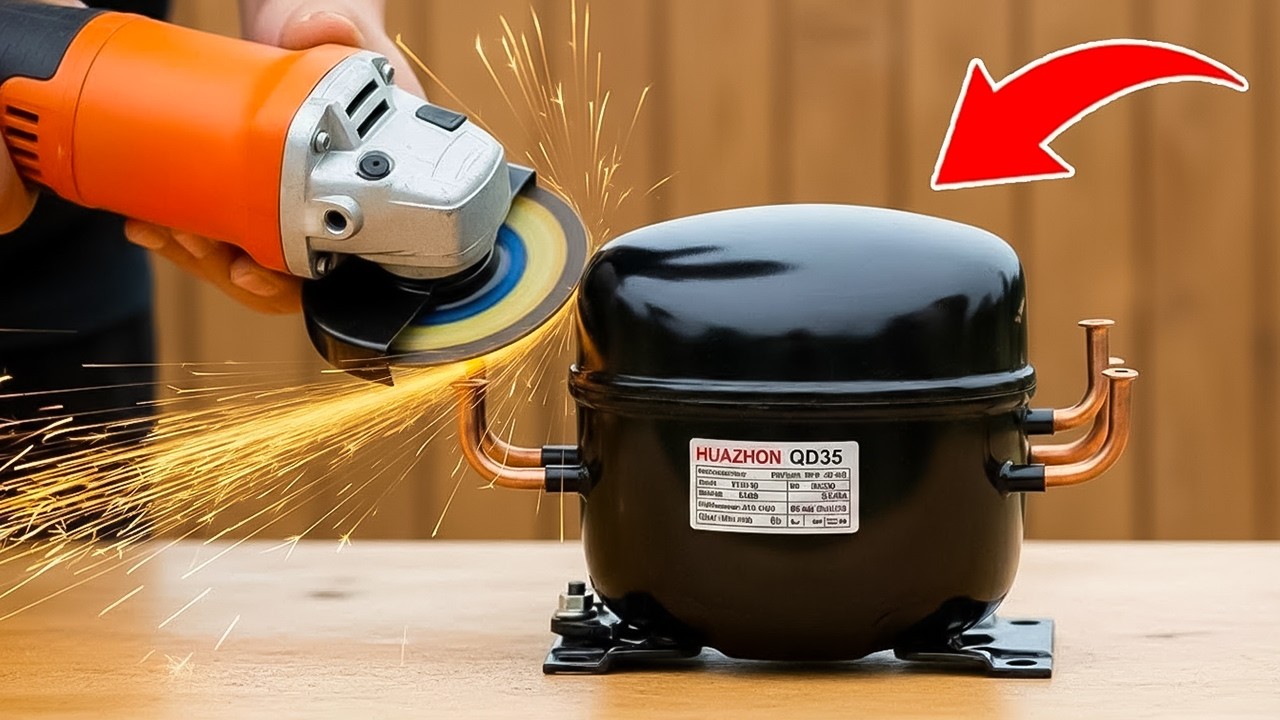
A fridge compressor is essentially the heart of your refrigerator’s cooling system. This component compresses the refrigerant, which transforms from a low-pressure gas to a high-pressure gas and sends it to the condenser coils, where it releases heat.
1. Understanding Its Role
When you set your fridge to a certain temperature, the compressor kicks in when the internal temperature rises above that setting. It is vital for regulating the overall temperature inside the fridge and ensuring your food stays fresh.
2. Components of the Compressor System
- **Refrigerant**: The liquid that circulates through the system.
- **Compressor**: The motor that compresses and circulates the refrigerant.
- **Condenser Coils**: Where the refrigerant releases heat and turns back into a liquid.
How Fridge Compressors Work
Understanding how fridge compressors function can help you appreciate the engineering involved. Here’s a simplified breakdown of the process:
1. Compression of Refrigerant
- Draw in** the low-pressure refrigerant gas from the evaporator coils.
- Compress** the gas, increasing its temperature and pressure.
- Send** the high-pressure gas to the condenser coils.
2. Cooling Process
As the gas moves through the condenser coils, it releases heat to the surroundings and condenses back into a liquid form. This process is crucial for maintaining the cold temperature inside your fridge.
Common Mistakes with Fridge Compressors
Even though you may rely on your fridge compressor, there are several common mistakes that can hinder its performance:
1. Ignoring Maintenance
Not cleaning the condenser coils can lead to reduced efficiency. Dust and grime can insulate the coils, making it harder for the compressor to cool your refrigerator.
2. Overloading the Refrigerator
Stuffing your fridge full can block air circulation, forcing the compressor to work harder than necessary, leading to potential burnout.
3. Not Checking Door Seals
Worn-out door seals can allow cold air to escape, forcing the compressor to run continuously and work inefficiently.
Signs of a Failing Fridge Compressor
Being able to identify the early warning signs of a failing compressor can save you from bigger headaches down the road.
1. Unusual Noises
If you hear strange noises coming from your fridge, it could be a sign that the compressor is struggling. Clicking or buzzing noises are particularly concerning.
2. Inconsistent Temperature
Notice that some food items are spoiling faster than they should? This inconsistency can indicate that your compressor isn’t functioning properly.
3. Increased Energy Bills
If you’ve seen a sudden spike in your energy bills, your fridge compressor may be running excessively due to inefficiencies.
Frequently Asked Questions
What are the signs that a compressor is failing? Look for unusual noises, inconsistent temperatures, and higher energy bills as warning signs.
How often should I clean the condenser coils? It’s a good idea to clean the coils at least twice a year to maintain efficiency.
Can I fix a failing compressor myself? It’s generally advisable to consult a professional for significant repairs to ensure safety and effective handling.
Conclusion
Understanding your fridge compressor and the common mistakes associated can significantly enhance your refrigerator’s performance. Keeping an eye on those warning signs can also save you from costly repairs in the long run. What challenges have you faced with your appliance? Share your experiences in the comments!