24 Hours of Fasting: 5 Surprising Changes to Your Body You Need to Know!
5 Surprising Changes to Your Body During 24 Hours of Fasting
Introduction
Have you ever wondered what really happens to your body during a day of fasting? The anticipation of experiencing changes in energy levels, mental clarity, and even physical sensations can make you curious. Many people fast for various reasons, whether it be for health benefits, spiritual practices, or simply trying to reset their eating habits. However, much of the true impact on your body during this time remains a mystery. Understanding these changes can offer deeper insight into how fasting might benefit your overall wellness.
Physical Changes
As the hours of fasting progress, your body undergoes several notable transformations. These changes are part of your body’s natural response to the absence of food.
1. Energy Utilization
After approximately 8 hours without food, your body transitions from utilizing glucose as its primary energy source to burning fat. This shift can lead to:
- Increased fat oxidation
- Stabilized blood sugar levels
2. Autophagy
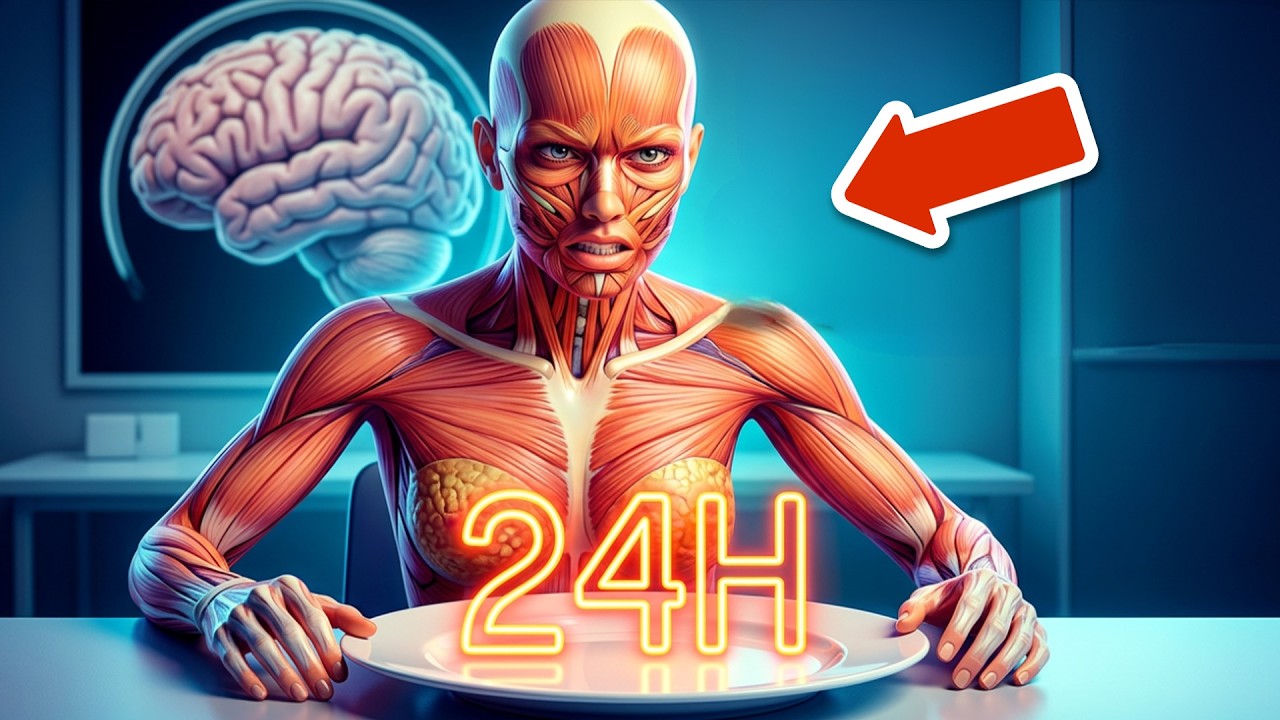
By the 24-hour mark, a process called autophagy kicks in. This is when your cells begin to break down and remove damaged proteins, which promotes cellular repair. The benefits include:
- Potential reduction in inflammation
- Support for overall cellular health
3. Hormonal Changes
During fasting, your insulin levels drop, which enhances fat burning and helps improve insulin sensitivity. Additionally, there is an increase in growth hormone levels, which can assist in fat loss and muscle preservation. This means that fasting not only helps your metabolism but also boosts your body’s ability to use energy efficiently.
Mental Benefits
Your mind also experiences improvements during a fasting period. Several changes can lead to heightened mental clarity and focus.
1. Enhanced Focus and Clarity
Many people report greater mental clarity and focus during fasting. This can be attributed to the increase in brain-derived neurotrophic factor (BDNF), leading to:
- Improved cognitive function
- Better mood stability
2. Reduced Hunger Signals
As you adapt to fasting, your body may begin to regulate hunger hormones like ghrelin and leptin more effectively. This can lead to:
- Reduced appetite
- Easier control of cravings
3. Stress and Resilience
The experience of fasting can also promote a sense of resilience. With regular practice, many individuals find they become less stressed about food choices and develop a better relationship with eating.
Common Mistakes
While fasting can be beneficial, it’s essential to avoid certain missteps that could hinder your experience.
- Ignoring hydration: Not drinking enough water can lead to dehydration, which can impact your energy levels.
- Breaking the fast with heavy meals: Gradually reintroducing food is crucial; sudden heavy meals can upset your stomach.
- Overexerting yourself: Engaging in high-intensity workouts while fasting can lead to fatigue and burnout.
- Not listening to your body: Paying close attention to your body’s signals is vital. If you’re feeling unwell, it may be best to end the fast.
- Setting unachievable goals: Start with shorter fasting periods and gradually build up to longer ones to avoid overwhelming yourself.
FAQ
What are the benefits of fasting for 24 hours? Fasting for 24 hours can improve insulin sensitivity, promote fat burning, and enhance mental clarity.
Can I drink water during the fast? Yes, staying hydrated with water (and herbal teas) is essential during a fasting period.
Is fasting safe for everyone? Fasting can have varying effects on individuals. It’s essential to consult a healthcare professional before starting if you have underlying health issues.
Conclusion
Understanding the changes that occur during 24 hours of fasting can empower you to make informed choices about your health journey. As you explore these benefits, consider how fasting fits into your lifestyle. What experiences have you had with fasting? Share your thoughts in the comments below!