5 Warning Signs of Clogged Leg Arteries You Should Never Ignore
5 Warning Signs of Clogged Leg Arteries You Should Never Ignore
- Understanding Clogged Arteries
- Common Warning Signs
- Underlying Causes of Clogged Arteries
- Mistakes to Avoid
- FAQ
Understanding Clogged Arteries
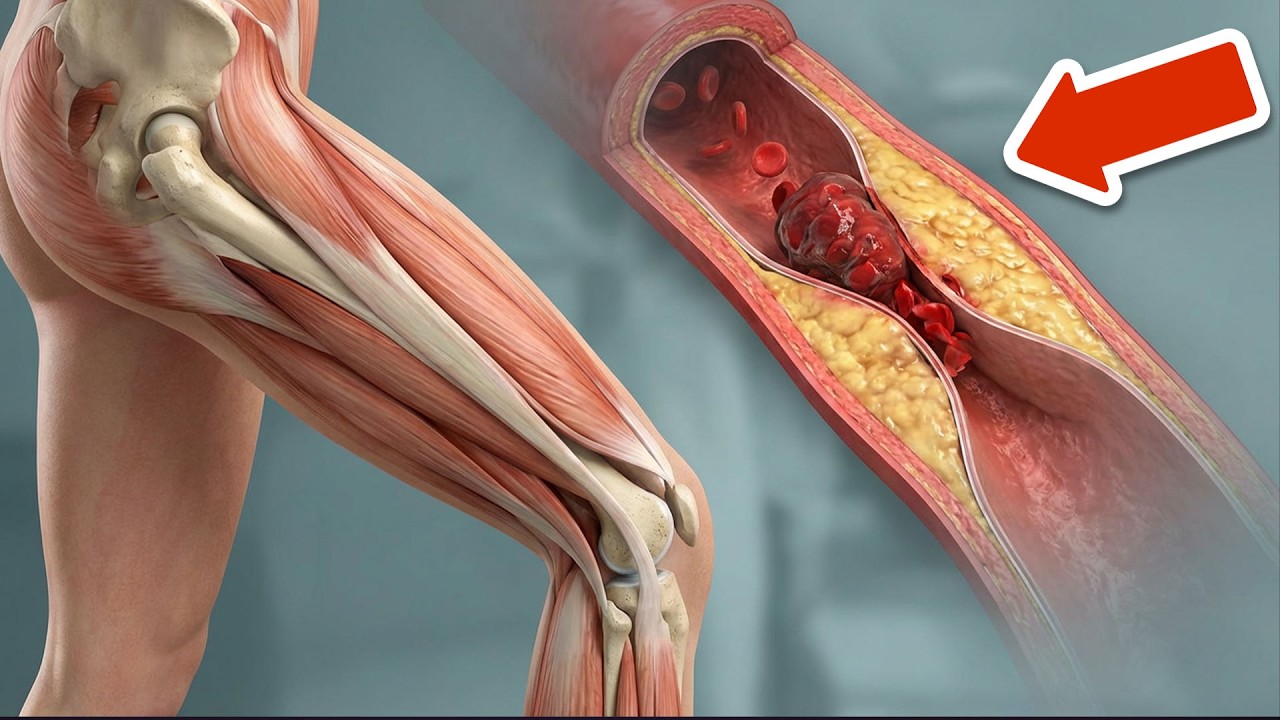
Imagine experiencing a sudden heaviness in your legs, particularly during physical activities like walking or climbing stairs. Clogged leg arteries can hinder blood flow, causing discomfort and potentially leading to serious health issues. Recognizing the signs is crucial for early intervention and better health outcomes. Understanding these symptoms can empower you to take action and maintain your circulatory health.
Common Warning Signs
Being aware of specific symptoms can help you identify potential problems with your leg arteries. Below are some of the most significant warning signs to watch out for.
1. Pain or Cramping in Legs
If you notice persistent pain or cramping in your legs, especially during activities, it could signify reduced blood flow due to clogged arteries. Pay close attention to any discomfort that occurs during exercise and subsides with rest.
2. Numbness or Weakness
A feeling of numbness or weakness in your legs, particularly after exertion, may indicate inadequate blood supply. If this sensation is frequent, consultation with a healthcare professional is essential.
3. Color Changes in Your Legs
Observe the color of your legs. If you see color changes, such as paleness or a bluish tint, it may suggest a lack of blood flow. This sign should not be ignored, as it could lead to more serious complications.
4. Cold Feet or Toes
Having cold feet or toes even in warm conditions can point to blood circulation issues. Good blood flow is vital to maintain the temperature of your extremities.
5. Slow-Healing Wounds
If you find that wounds or sores on your legs take longer to heal, it could be a result of poor circulation. This is a significant warning sign that your arteries may be blocked.
Underlying Causes of Clogged Arteries
Understanding what contributes to clogged leg arteries can help you take preventive measures. Many factors play a role, and being aware of them is vital for your health.
1. Poor Diet
Consuming a diet high in saturated fats and cholesterol can lead to the development of plaques in your arteries. Prioritizing fruits, vegetables, and whole grains can vastly improve your artery health.
2. Sedentary Lifestyle
A sedentary lifestyle contributes to poor circulation. Regular physical activity can help keep your arteries clear by promoting blood flow.
3. Smoking and Alcohol Use
Both smoking and excessive alcohol consumption damage blood vessels and impair circulation. Reducing or eliminating these habits can greatly benefit your artery health.
Mistakes to Avoid
Being aware of common mistakes can help you take better care of your leg arteries.
- Ignoring Symptoms: Never dismiss warning signs like pain or numbness, as they may indicate a serious condition.
- Neglecting Regular Check-Ups: Skipping medical check-ups can lead to undiagnosed problems.
- Lack of Physical Activity: Avoid lengthy periods of inactivity, as this can worsen circulation issues.
- Poor Nutrition: Consistently consuming unhealthy foods can contribute to arterial clogging.
- Disregarding Medical Advice: Always follow the guidance of healthcare professionals regarding your health.
FAQ
What are the early signs of clogged arteries? Early signs can include leg pain during activities, numbness, and changes in skin color.
How can I improve my artery health? Improving your diet, increasing physical activity, and quitting smoking can significantly enhance your artery health.
When should I see a doctor? If you experience persistent symptoms like leg pain or numbness, it’s important to consult a healthcare professional promptly.
Conclusion
Being attentive to the warning signs of clogged leg arteries can safeguard your health and well-being. Staying informed and proactive can significantly improve your quality of life. Have you experienced any of these symptoms? Share your thoughts in the comments below.