
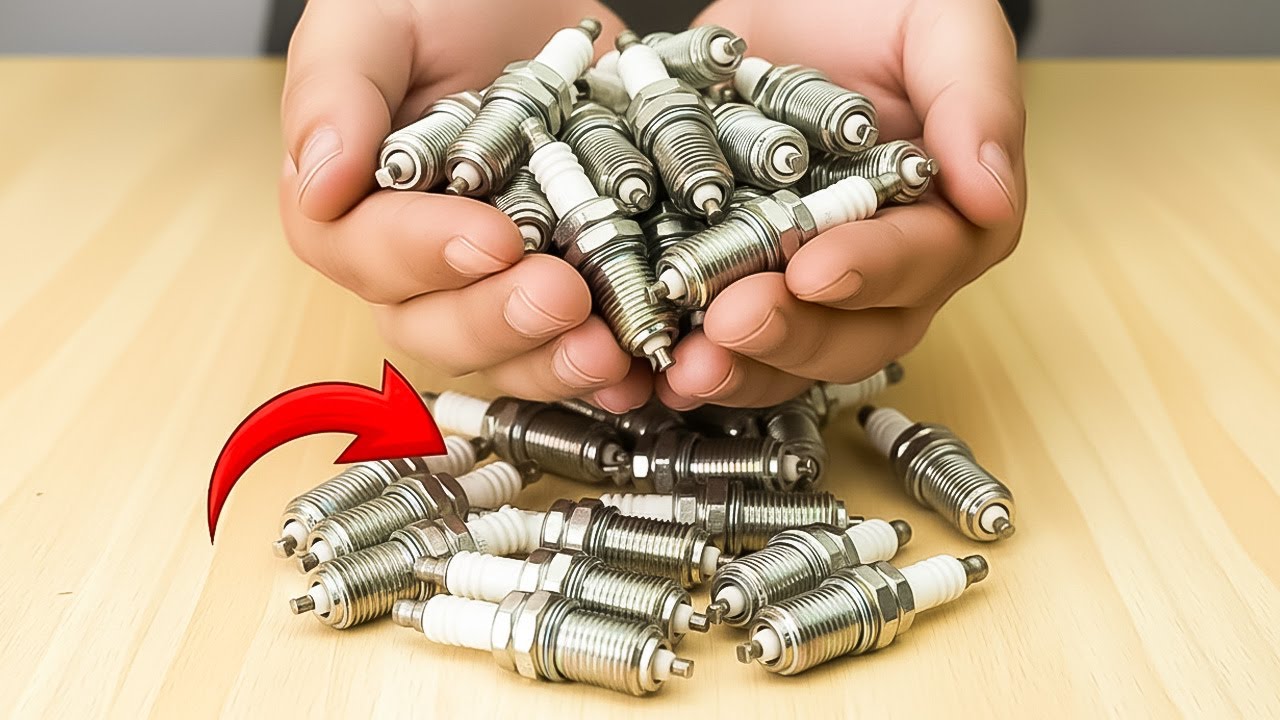
Unlock 7 Spark Plug Secrets You Didn’t Know About for Better Performance!
Unlock 7 Spark Plug Secrets for Better Performance in Your Vehicle
- Understanding Spark Plugs
- Importance of Quality Spark Plugs
- Noticing the Signs
- Maintaining Spark Plugs
- Common Mistakes with Spark Plugs
- FAQ
Understanding Spark Plugs
Many of us rely on our vehicles for daily transportation, yet few really understand the essential components that keep them running smoothly. Spark plugs play a critical role in the ignition process, igniting the air-fuel mixture in your engine’s cylinders to ensure optimal performance. However, knowing their intricacies can make a significant difference in how your vehicle operates and performs.
What Are Spark Plugs?
Spark plugs are small yet vital components that generate an electric spark to ignite the fuel in your engine. If they fail, you may experience reduced fuel efficiency, rough idling, or even stalling. Regular maintenance and replacement can lead to long-lasting benefits for your vehicle.
How Do Spark Plugs Work?
In simplified terms, as your engine runs, spark plugs receive an electrical charge from the ignition system. This charge creates a spark that ignites the mixture of air and fuel in each cylinder. This ignition sequence results in the power that drives the engine.
Importance of Quality Spark Plugs
Using high-quality spark plugs can dramatically affect your vehicle’s performance and longevity. It’s not just about keeping your engine running; the right spark plugs improve fuel efficiency and reduce emissions.
Benefits of High-Quality Spark Plugs
- Improved Fuel Efficiency: Quality spark plugs lead to better combustion, providing more power with less fuel.
- Extended Engine Life: A well-maintained ignition system reduces wear and tear on your engine.
- Better Cold Starts: High-quality plugs function efficiently even in low temperatures, ensuring your vehicle starts smoothly.
Materials to Consider
When choosing spark plugs, consider the materials used. Copper, platinum, and iridium each have different benefits. Iridium plugs, for example, offer a longer lifespan and improved performance but may be more expensive.
Noticing the Signs
Knowing when your spark plugs need attention is essential for maintaining overall vehicle performance. Various symptoms can indicate that your spark plugs may need replacement or maintenance.
Common Symptoms of Worn Spark Plugs
- Engine Misfiring: If your engine shakes during acceleration, it might be a sign of a faulty spark plug.
- Poor Fuel Efficiency: A decline in miles per gallon can indicate that your spark plugs aren’t firing properly.
- Hard Starting: If your vehicle struggles to start or requires multiple tries, don’t ignore these signs.
When to Inspect
It’s wise to check your spark plugs every 30,000 miles or as recommended by your vehicle’s manufacturer. Regular inspections can save you from expensive repairs and keep your vehicle in good shape.
Maintaining Spark Plugs
Proper maintenance of spark plugs can prolong their lifespan and improve your vehicle’s performance. Here are essential tips to keep them in top condition.
How to Maintain Spark Plugs
- Regular Inspections: Make it a habit to check your spark plugs during routine maintenance.
- Clean the Plugs: Residue buildup can hinder performance. Use a wire brush or specialized cleaner to remove dirt.
- Replace When Necessary: Replace old or worn-out plugs promptly to avoid further damage to your engine.
Additional Tips
Using the correct tools for installation or removal of spark plugs will prevent accidental damage. Also, consider using anti-seize compound on the threads when installing new plugs, which can help with future removals.
Common Mistakes with Spark Plugs
Understanding common mistakes in dealing with spark plugs can save you time and money. Here are critical points to consider.
Mistakes to Avoid
- Neglecting Signs: Ignoring the symptoms of worn spark plugs can lead to bigger issues over time.
- Using Incorrect Types: Always refer to your vehicle’s manual for the correct spark plug types and specifications.
- Improper Installation: Over-tightening or cross-threading can damage both the plugs and the engine threads.
Additional Common Errors
Many people also forget the importance of checking other ignition components, leading to unnecessary replacements. Ensure you check wires and coils, especially if you experience issues with your spark plugs.
FAQ
How often should I replace my spark plugs?
It’s generally recommended to replace your spark plugs every 30,000 miles, but refer to your vehicle’s manual for specific guidance.
What are the signs of a failing spark plug?
Look out for symptoms like misfiring, rough idling, and less-than-optimal fuel efficiency. If you notice these issues, have your spark plugs inspected.
Can I clean spark plugs instead of replacing them?
In some cases, you can clean spark plugs to prolong their life, but if they’re too worn or damaged, replacement is the better option.
Conclusion
Maintaining your spark plugs is essential for optimal vehicle performance. By understanding their importance, recognizing signs of wear, and avoiding common mistakes, you can enjoy a smoother driving experience. What spark plug issues have you encountered? Share your experiences in the comments!