10 Incredible Tips for Growing Stunning Rose Branches in Your Garden!
10 Essential Tips for Growing Stunning Rose Branches in Your Garden
- Introduction
- Choosing the Right Varieties
- Planting and Location
- Care and Maintenance
- Common Mistakes
- FAQ
- Conclusion
Introduction
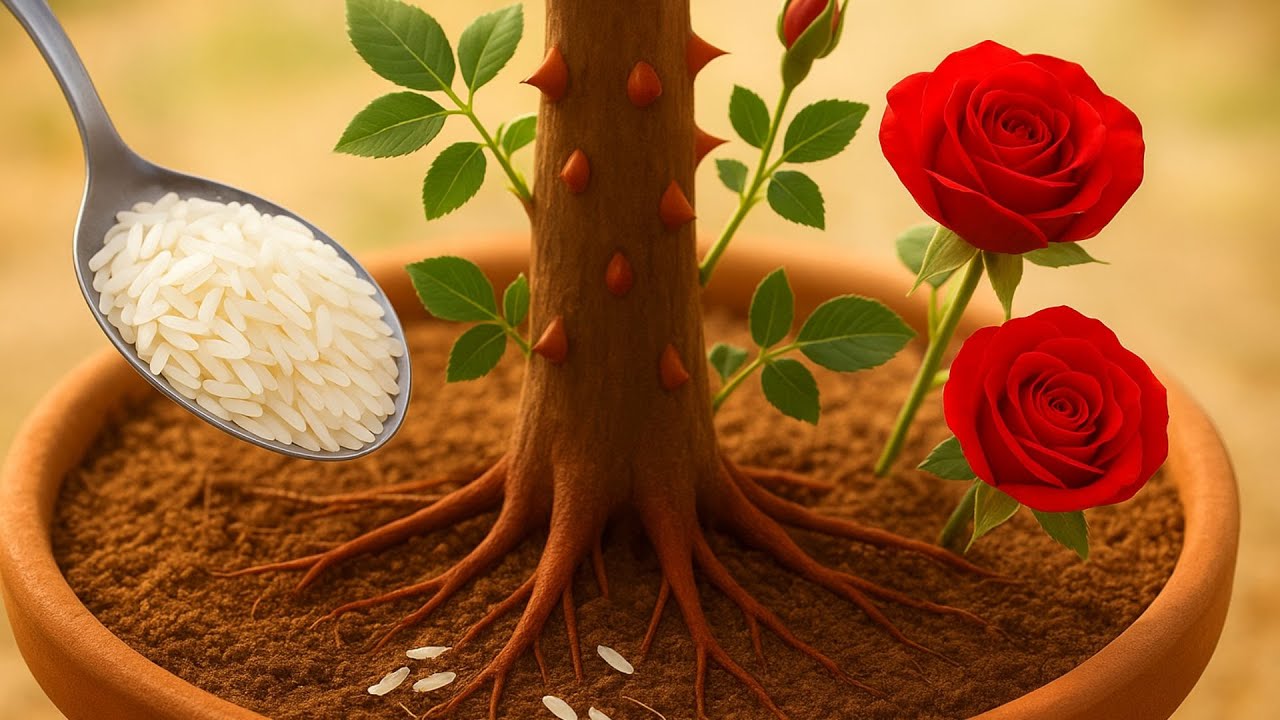
Picture yourself stepping into your garden, greeted by the delightful aroma of roses and their vibrant colors blooming all around you. It’s a sight that transforms any outdoor space, yet growing stunning rose branches can sometimes feel overwhelming. From selecting the right varieties to understanding their care needs, several factors come into play in your gardening journey. By focusing on key strategies, you can cultivate beautiful rose branches that thrive in your garden. Let’s dive into the essential tips that will help you achieve this floral dream.
Choosing the Right Varieties
When it comes to cultivating roses, the foundation lies in selecting the right varieties suited to your garden’s conditions. Here are some tips to guide your choice:
1. Understand Your Climate
Different rose varieties thrive in varying climates. For instance, hybrid teas prefer moderate climates, while certain climbing roses can withstand the heat. Research the hardiness zones to find roses that will flourish in your area.
2. Explore Different Types
There are many types of roses, such as:
- Hybrid Tea Roses: Known for their large blooms and long stems, perfect for cutting.
- Floribunda Roses: Produces clusters of flowers, providing a continuous bloom.
- Climbing Roses: Excellent for trellises or fences, they create stunning vertical displays.
3. Consider Pest Resistance
Select varieties that exhibit strong resistance to common pests and diseases, which will reduce the need for chemical treatments and keep your garden healthier.
Planting and Location
Once you’ve chosen your rose varieties, the next step is ensuring they are planted correctly. Here’s how to make the most of your planting process:
1. Pick the Right Spot
Roses thrive in sunny locations. Aim for an area that receives at least 6-8 hours of sunlight each day, which is crucial for their growth and flowering.
2. Prepare the Soil
Proper soil preparation sets up your roses for success. Follow these steps:
- Test Your Soil: Check for pH levels, which should ideally be between 6.0 and 6.8.
- Amend the Soil: Incorporate organic matter, like compost, to enhance soil fertility and drainage.
- Dig a Wide Hole: Your planting hole should be at least 18 inches wide and deep to accommodate roots.
3. Space Properly
Ensure adequate spacing between your rose plants. Typically, allow 18-24 inches between roses to promote air circulation and prevent diseases.
Care and Maintenance
To keep your rose branches healthy and breathtaking, consistent care is essential. Here are some actions to prioritize:
1. Watering Regimen
Roses prefer steady moisture, especially during dry spells. Follow these guidelines:
- Water Deeply: Aim for at least an inch of water per week.
- Avoid Overhead Watering: Water at the base of the plant to prevent fungal diseases.
2. Fertilization Tips
Nourishing your roses is key to vigorous growth. Here’s how:
- Use Rose-Specific Fertilizers: Look for balanced formulas designed for roses.
- Fertilize in Spring: Administer feed after pruning to encourage new growth.
3. Pruning Guidelines
Regular pruning enhances bloom production and maintains the shape of your roses. Here are some steps:
- Remove Dead Wood: Cut away any dead or diseased branches.
- Shape Your Bush: Trim to maintain an open center, which promotes airflow.
Common Mistakes
Even experienced gardeners can encounter pitfalls when caring for roses. Here are some common mistakes to avoid:
1. Overwatering
Overly wet soil can lead to root rot. Always allow the top layer to dry out between watering sessions.
2. Ignoring Pests
Neglecting to monitor for pests can lead to infestations. Regular checks will help catch issues early.
3. Improper Pruning
Pruning at the wrong time or too aggressively can hinder blooming. Always prune during the appropriate season.
4. Choosing the Wrong Location
Avoid shaded areas where roses won’t thrive. They need full sun for optimal growth.
5. Skipping Soil Preparation
Neglecting soil health can stunt plant growth. Always amend the soil before planting.
FAQ
What is the best time to plant roses?
Generally, spring is the best time, after the last frost, but fall can also be suitable in milder climates.
How often should I fertilize my roses?
Fertilize your roses once in early spring and again in mid-summer for best results.
Can I grow roses in pots?
Yes, roses can thrive in pots, but ensure they are in large enough containers with adequate drainage.
Conclusion
Growing stunning rose branches requires thoughtful planning and ongoing care. By selecting the right varieties and maintaining proper planting and maintenance practices, you can enjoy a flourishing garden. What are your favorite tips for growing roses? Share your experiences in the comments below!