6 Tips for Successfully Planting Colorful Calla Lilies This Season
Essential Tips for Successfully Planting Colorful Calla Lilies This Season
- Introduction
- Choosing the Right Planting Location
- Preparing the Soil for Calla Lilies
- Effective Planting Techniques
- Common Mistakes to Avoid
- Caring for Your Calla Lilies
- FAQ
- Conclusion
Introduction
As spring approaches, you might find yourself dreaming of vibrant blooms dotting your garden. Calla lilies, with their elegant shapes and rich colors, are a perfect choice to brighten your outdoor space. However, the excitement of planting can quickly turn into frustration if you’re unsure about the process. With several factors to consider, ensuring your calla lilies thrive might feel overwhelming. Keep reading to discover essential tips that will guide you through successfully planting these beautiful flowers this season.
Choosing the Right Planting Location
Selecting the perfect spot for your calla lilies is crucial for their growth. Consider the following aspects:
- Sunlight: Calla lilies prefer a location with full sun or partial shade, ideally receiving about six hours of sunlight daily.
- Drainage: A well-draining area is essential, as waterlogged soil can lead to root rot and other issues.
- Protection from Wind: If possible, choose a sheltered spot to protect your plants from strong winds, which can damage their delicate stems.
Assessing Your Space
Before planting, walk around your garden to assess the sunlight exposure throughout the day. This will help you identify the best location for your calla lilies. You might also want to consider pairing them with other flowers that enjoy similar growing conditions.
Creating Symmetrical Displays
To enhance the visual appeal of your garden design, consider planting calla lilies in groups of three or five. This arrangement can create a more natural and aesthetically pleasing look.
Preparing the Soil for Calla Lilies
- Test the Soil: Conduct a soil test to understand its pH level. Calla lilies thrive in slightly acidic to neutral soil (pH 6.0 to 7.0).
- Amend the Soil: Incorporate organic matter such as compost or well-rotted manure to improve soil structure and nutrient content.
- Till the Soil: Loosen the soil to a depth of about 12 inches to allow the roots to establish easily.
Adding Nutrients
Consider adding a slow-release fertilizer at the time of planting. This provides essential nutrients over time, supporting your calla lilies as they grow.
Keeping Soil Moisture
While preparing the soil, keep it moist but not saturated. Moisture management is crucial to encourage strong root development.
Effective Planting Techniques
Once you’ve chosen the right location and prepared the soil, it’s time to plant your calla lilies. Here’s how to do it:
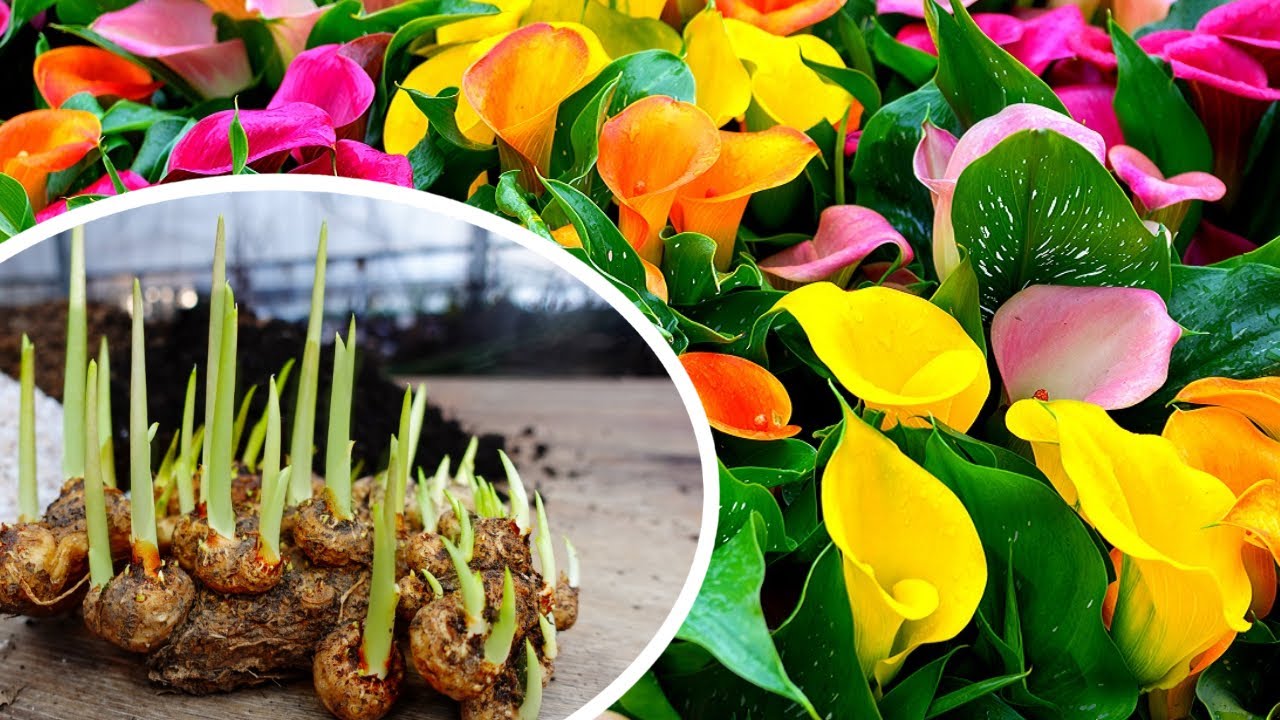
- Planting Depth: Dig holes about 4 to 6 inches deep, ensuring they are spaced at least 12 to 18 inches apart.
- Positioning: Place the tubers with their eyes facing upwards. This will help ensure proper growth direction.
- Covering: Gently cover the tubers with soil and water lightly. Avoid making the soil too compact, as this can hinder growth.
Watering After Planting
After planting, give your calla lilies a good soaking to settle the soil around the tubers. Ensure the soil remains consistently moist but not soggy during their initial growth phase.
Post-Planting Care
Keep an eye on your plants as they start to sprout. Regularly check the soil moisture and adjust your watering schedule based on weather conditions.
Common Mistakes to Avoid
Even the most experienced gardeners can make mistakes when planting calla lilies. Here are a few to keep in mind:
- Overwatering: Avoid watering too frequently, as this can drown the tubers and lead to rot.
- Planting Too Early: Ensure the frost-free date in your area has passed before planting outdoors.
- Neglecting Soil Drainage: Planting in heavy, clay-like soil can lead to drainage problems. Always amend soil to improve its texture.
- Ignoring Sunlight Needs: Not providing enough sunlight can result in weak, leggy plants that fail to bloom.
- Skipping Fertilization: Failing to provide necessary nutrients can hinder the growth and flowering of your calla lilies.
Caring for Your Calla Lilies
Your care routine significantly impacts the health of your calla lilies. Here are key elements to consider:
- Regular Watering: Keep the plants adequately watered, particularly during dry spells. Aim for deep, less frequent watering to encourage strong roots.
- Pest Control: Monitor for pests such as aphids or beetles, and treat them promptly to prevent infestations.
- Deadheading: Removing faded blooms encourages new growth and prolongs blooming periods.
Seasonal Maintenance
As the season progresses, adjust your care routine based on the growth stage of your lilies. Providing care tailored to their needs will enhance their beauty and longevity.
Preparing for Winter
Once the blooming season ends, prepare the plants for winter by cutting back the foliage and storing tubers if necessary, especially in colder climates.
FAQ
How deep should I plant calla lily bulbs?
Plant them about 4 to 6 inches deep to promote healthy growth.
Do calla lilies prefer sun or shade?
Calla lilies thrive best in full sun or partial shade, needing about six hours of sunlight daily.
When is the best time to plant calla lilies?
The best time to plant calla lilies is after the last frost in spring when the soil warms up.
Conclusion
Successfully planting your colorful calla lilies involves thoughtful planning and proper care. By following these tips, you’ll be well on your way to enjoying a vibrant display in your garden. What are your favorite flowers to plant in the spring? Feel free to share your thoughts in the comments!