5 Easy Steps to Propagate Roses for Fast Growth and Blooms All Season!
5 Easy Steps to Propagate Roses for Fast Growth and Blooms All Season
- Introduction
- Why Propagate Roses?
- Getting Started with Rose Propagation
- Common Mistakes to Avoid in Rose Propagation
- Frequently Asked Questions
- Conclusion
Introduction
Imagine stepping into your garden, the sweet scent of roses filling the air and vibrant blooms brightening your landscape. However, as much as you cherish these stunning flowers, you may often find yourself purchasing new plants rather than cultivating them. Propagating roses can be a rewarding activity that elevates your gardening game without hefty costs. Understanding the process and techniques for successful propagation is essential. Let’s explore how you can easily start growing your own roses right at home!
Why Propagate Roses?
Propagating roses offers numerous benefits, both for your garden and your wallet. Here are several reasons to consider:
- Cost-effective: Growing your own roses eliminates the need to purchase new plants.
- Variety: You can propagate specific varieties you love or experiment with unique combinations.
- Supply: Increase your rose stock for a more vibrant garden or to share with friends and family.
Different Methods of Propagation
Roses can be propagated through various methods, including:
- Cuttings: This is one of the most common techniques suitable for many types of roses.
- Layering: A bit more involved, but effective for certain types of bushes.
- Seeds: While this method requires more time, it can lead to exciting new varieties.
Getting Started with Rose Propagation
Now that you understand the benefits, let’s delve into the steps to easily propagate roses using cuttings, which is both simple and effective.
Required Materials
Before you start, gather the following materials:
- Healthy flowering rose plant: Choose a robust plant with desirable traits.
- Sharp scissors: Clean tools will help prevent disease.
- A pot: Ensure it has drainage holes for proper watering.
- Potting mix: Use a sterile mix suitable for propagation.
- Plastic wrap or a plastic bag: This will help maintain humidity for your cuttings.
Step-by-Step Instructions
- Choose Cuttings: Select healthy stems from your rose plant that are about 6 inches long.
- Cut and Prepare: Make a slanted cut just below a leaf node and remove the bottom leaves, keeping only one or two sets at the top.
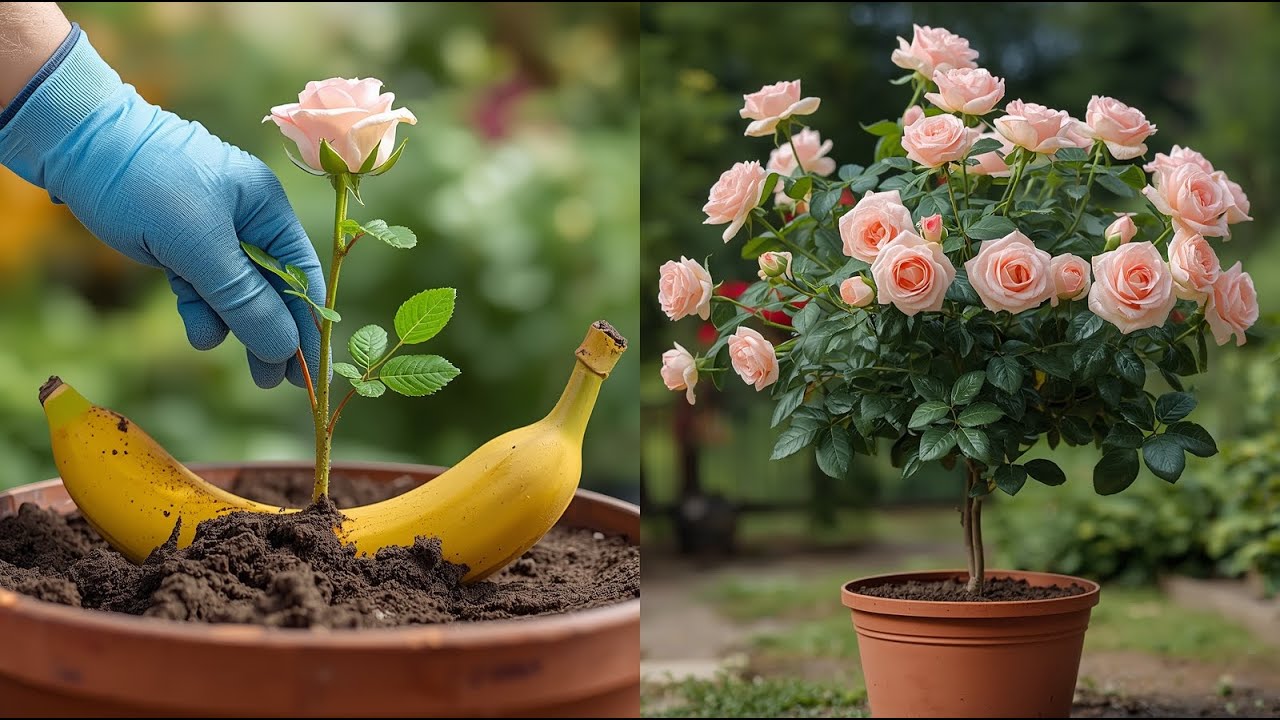
- Plant the Cuttings: Insert the cut end into the potting mix, ensuring a stable position.
- Create Humidity: Cover the pot with plastic wrap to maintain moisture, securing it around the pot’s rim.
- Water Regularly: Keep the soil moist, but not soggy. Remove the wrap occasionally to prevent mold.
Care for Your Cuttings
Once planted, place your cuttings in a location where they receive indirect sunlight. Monitor their water needs closely. After about 4 to 6 weeks, check for new growth, which indicates successful rooting.
Common Mistakes to Avoid in Rose Propagation
While propagating roses can be straightforward, certain pitfalls can hinder your success:
- Using unhealthy cuttings: Always select healthy stems. Sick or damaged parts will not root well.
- Ignoring humidity: Without adequate humidity, your cuttings may dry out and die.
- Overwatering: Too much water can lead to rot. Ensure proper drainage.
- Insufficient light: Place your cuttings where they have access to bright, indirect sunlight.
Frequently Asked Questions
What is the best time of year to propagate roses?
The ideal time for propagating roses is during the growing season, typically late spring to early summer when the plants are in full bloom.
Can I propagate roses from store-bought bouquets?
Yes, you can use cuttings from store-bought roses, but ensure they are fresh and healthy. Remove the thorns and proceed with the usual propagation methods.
How long does it take for rose cuttings to root?
Rose cuttings typically take about 4 to 6 weeks to root successfully, depending on the variety and conditions.
Conclusion
Propagating roses can enhance the beauty and variety of your garden while being a rewarding endeavor. By avoiding common mistakes and following these straightforward steps, you can enjoy the joy of watching your new roses thrive. What varieties are you excited to propagate in your own garden?