Root 7 Stunning Roses with This Secret Every Gardener Needs to Know!
Root 7 Stunning Roses with This Secret Every Gardener Needs to Know!
- Introduction
- Benefits of Rooting Roses
- Materials Required
- Step-by-Step Guide to Rooting Roses
- Common Mistakes to Avoid
- FAQ
- Conclusion
Introduction
Picture this: it’s spring, and your garden is bursting with vibrant blooms, yet those stunning roses you’ve always wanted seem just out of reach. You’ve tried your hand at planting them, but something always goes awry. You aren’t alone in feeling frustrated. Many gardeners dream of filling their spaces with the lushness of roses, but the secret to success often lies in how you root them. So what’s the secret? Let’s explore the essential steps to help you achieve the garden of your dreams.
Benefits of Rooting Roses
Rooting your own roses has numerous advantages that can transform your garden into a personal haven.
1. Cost-Effective Option
Growing roses from cuttings is typically less expensive than purchasing mature plants. You can cultivate a wide variety without breaking the bank.
2. Customization of Varieties
You can choose your favorite rose varieties and create a unique selection that reflects your personal style and garden aesthetics.
3. Improved Success Rate
Successfully rooting your roses allows you to witness the entire growth process, leading to a stronger connection with your plants and a deeper understanding of their requirements.
Materials Required
Before you start, it’s essential to gather everything you’ll need for rooting roses successfully.
- Fresh rose cuttings: Choose healthy stems from your favorite varieties.
- Potting soil: A well-draining potting mix will provide the best environment for rooting.
- Containers: Small pots or trays will work well for starting your cuttings.
- Plastic wrap or a plastic bag: These will help create a humid environment.
- Rooting hormone: Optional, but can enhance the rooting process.
Step-by-Step Guide to Rooting Roses
Now that you have your materials ready, let’s dive into the process of rooting your roses.
1. Prepare Your Cuttings
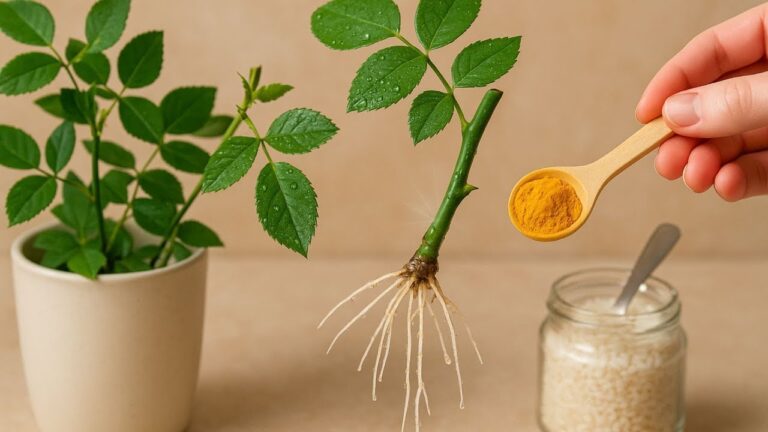
- Choose a healthy stem about 6 inches long with at least one leaf node.
- Remove any leaves from the bottom half to prevent rot.
- Dip the cut end in rooting hormone if you choose to use it.
2. Planting the Cuttings
- Fill your containers with potting soil, leaving some space at the top.
- Insert the cuttings at least 2 inches deep into the soil.
- Water them gently to settle the soil around the cuttings.
3. Creating a Humid Environment
- Cover the container with plastic wrap or a plastic bag to trap moisture.
- Place the containers in a warm, indirect sunlight location.
- Monitor the moisture and remove the cover periodically for airflow.
Common Mistakes to Avoid
Even with the right approach, some common mistakes can hinder your success in rooting roses.
- Overwatering: Too much water can cause rot; ensure the soil stays moist but not soggy.
- Poor Light Conditions: Avoid placing the cuttings in direct sunlight as it can create excessive heat and dry them out.
- Neglecting Airflow: Keep an eye on humidity; covering them too tightly can lead to mold.
FAQ
What type of roses can be propagated from cuttings?
Most garden roses can be propagated from cuttings, including hybrid teas, floribundas, and climbers. Just ensure you select healthy stems from strong, established plants.
How long does it take for rose cuttings to root?
It typically takes about 4 to 8 weeks for rose cuttings to root, depending on the conditions and the type of rose being propagated.
Can I root roses in water?
While some gardeners have success rooting roses in water, it’s often more effective to use potting soil, as it provides essential nutrients and a better environment for growth.
Conclusion
Rooting your own roses can lead to beautiful rewards in your garden. Remember to choose healthy cuttings and provide the right conditions for successful growth. What rose varieties are you thinking of adding to your garden this season? Share your thoughts in the comments!