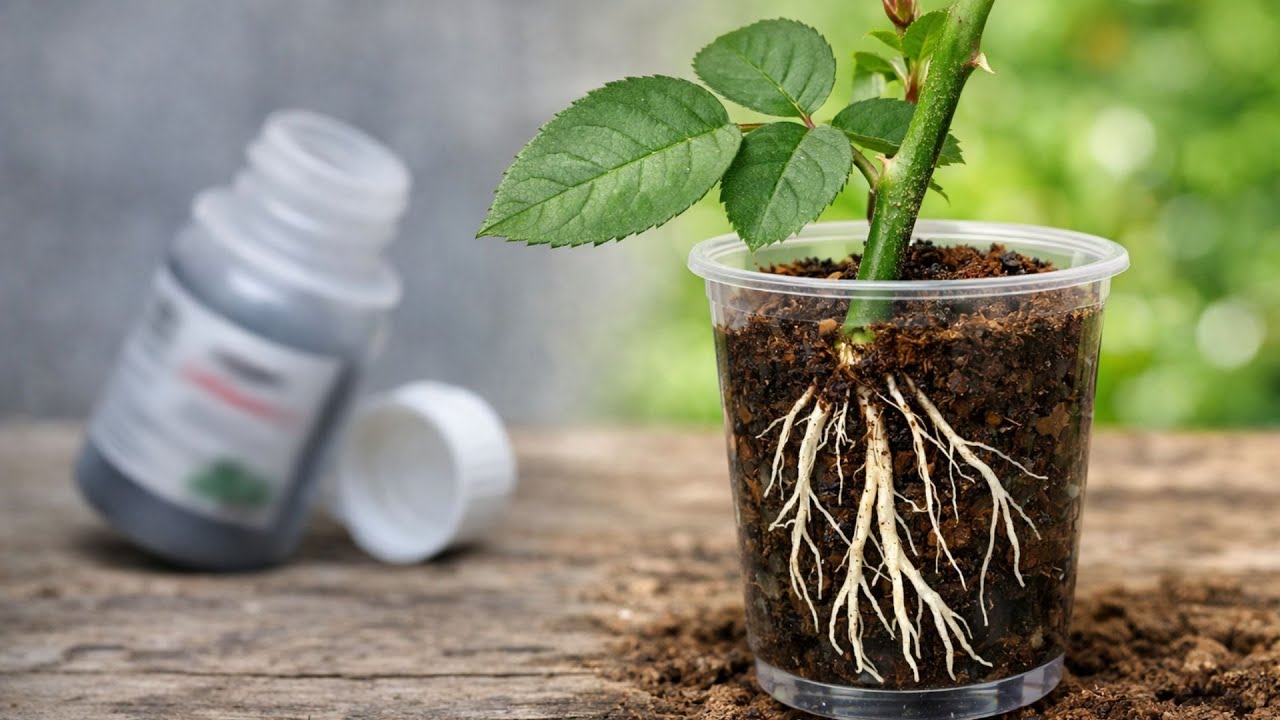
Discover 5 Natural Hacks That Beat Rooting Hormone for Stunning Plant Growth
5 Natural Hacks to Boost Plant Growth Without Rooting Hormone
- Introduction
- Natural Methods for Enhanced Growth
- Simple Techniques for Propagation
- Common Mistakes to Avoid
- FAQ
Introduction
Have you ever tried to propagate your favorite plant but felt frustrated when it just wouldn’t take root? You’re not alone in this struggle, as many plant enthusiasts often overlook the power of natural solutions in favor of commercial rooting hormones. Before you resort to synthetic aids, there are simple yet effective natural hacks that can supercharge your plant’s growth. Read on to explore these options that might just change the way you propagate your plants.
Natural Methods for Enhanced Growth
Utilizing natural methods can significantly enhance your plants’ rooting process. Here are some effective solutions to consider:
1. Honey as a Natural Rooting Agent
Using honey is a timeless method to stimulate plant growth. This sticky substance is rich in natural sugars and has antibacterial properties.
- Mix one tablespoon of honey with two cups of warm water.
- Soak cuttings in the solution for about an hour.
- Plant them in the soil as usual.
2. Cinnamon for Fungal Protection
Cinnamon is not only a popular spice but also a natural antifungal agent that can promote healthy root development.
- Dust cinnamon powder on the cut ends of your plant cuttings.
- Place them in a suitable growing medium.
Simple Techniques for Propagation
Employing straightforward techniques can give your plants a boost as they start putting down roots. Here are some options to try:
1. Use Potato for Propagation
A potato can serve as a fantastic natural rooting medium. Its moisture content and nutrients help in developing new roots.
- Cut a potato in half.
- Insert your plant cutting into the potato.
- Place the setup in soil, ensuring it’s partially buried.
2. Water Propagation with Cuttings
Water propagation is an easy way to observe root growth before planting. This method works well for many houseplants.
- Fill a clear container with water.
- Submerge the cut end of the plant cutting in the water.
- Change the water every few days to keep it fresh.
Common Mistakes to Avoid
As with any gardening endeavor, there are pitfalls you should be aware of. Here are some common mistakes to avoid when propagating plants:
- Overwatering – Too much water can suffocate roots and lead to rot.
- Using Old Cuttings – Ensure that your plant cuttings are fresh for better success rates.
- Neglecting Light – Provide adequate light for your cuttings to root successfully; too little light can stunt growth.
FAQ
1. Can I propagate any plant without rooting hormone?
Yes, many plants can thrive when propagated using natural methods such as honey or potato. However, some may benefit from specific rooting agents.
2. How long does it take cuttings to root?
Rooting time can vary depending on the plant species but typically ranges from a few weeks to a couple of months.
3. What should I do if my cuttings aren’t rooting?
If your cuttings aren’t rooting, check moisture levels, ensure proper light exposure, and avoid overcrowding in your propagation area.
Conclusion
By implementing these natural hacks, you can successfully enhance plant growth and enjoy the satisfaction that comes with propagating your own plants. Have you tried any of these methods? Share your experiences in the comments below!