
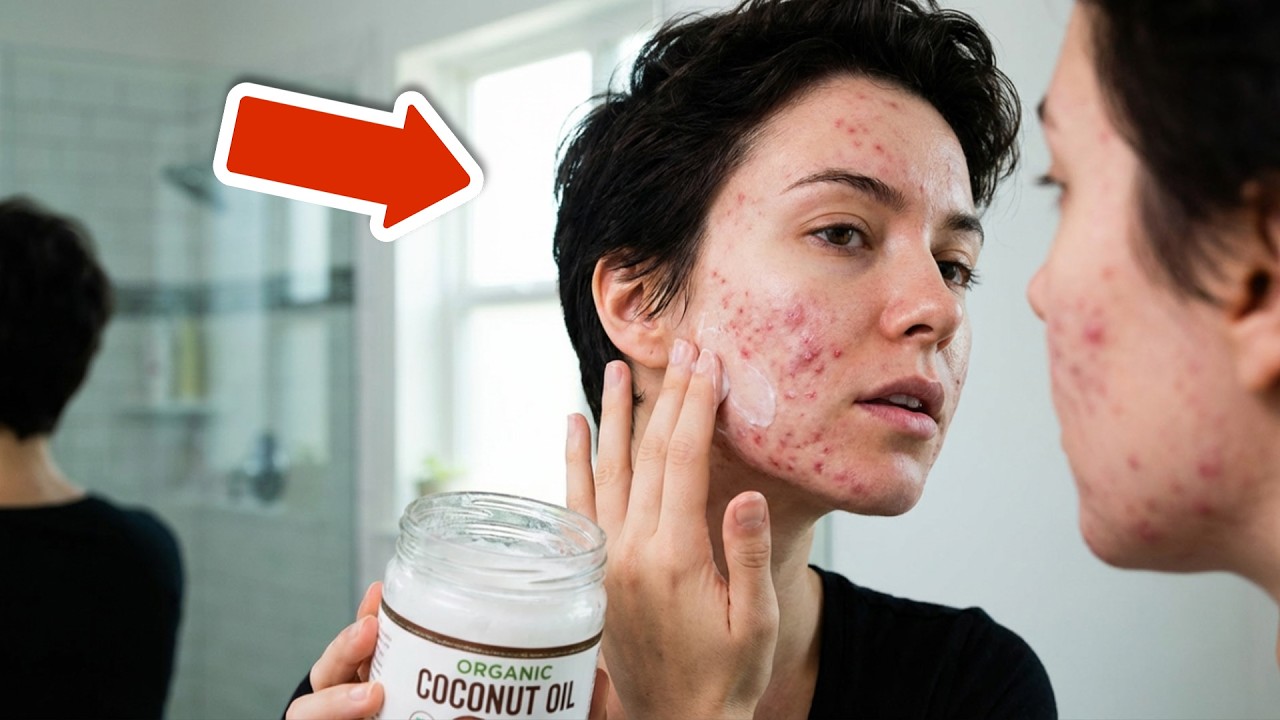
5 Shocking Reasons You Should Never Use Coconut Oil on Your Face!
5 Reasons You Should Think Twice Before Using Coconut Oil on Your Face
- Reason 1: Clogged Pores
- Reason 2: Skin Sensitivity
- Reason 3: Inconsistent Effects
- Common Mistakes to Avoid
- FAQ
Introduction
Using coconut oil as a beauty staple has become popular for many, especially in the realm of skincare. You may find yourself reaching for that jar, convinced it’s the answer to all your moisturizing woes. However, as you apply it, you might notice your skin behaving unexpectedly. Issues like breakouts or irritation can arise, leaving you frustrated and confused. This article explores essential aspects to consider about coconut oil before you decide to slather it all over your face.
Reason 1: Clogged Pores
Coconut oil is comedogenic, meaning it can clog your pores, leading to unwanted breakouts. While it offers moisture, the risk of congestion makes it less suitable for those with oily or acne-prone skin.
Understanding Comedogenic Ratings
Comedogenic ratings help you evaluate how likely an ingredient is to clog pores. Coconut oil has a high rating, suggesting that it might not be the best choice for everyone. If you’re prone to breakouts, consider alternatives with lower ratings.
Signs Your Pores Are Clogged
- Frequent acne outbreaks
- Blackheads or whiteheads
- Rough or uneven skin texture
Reason 2: Skin Sensitivity
While coconut oil is praised for its soothing properties, it may cause irritation for certain skin types. Allergic reactions can surface, especially for those with sensitive skin or allergies to coconuts.
Identifying Sensitivity
Pay attention to how your skin reacts after applying coconut oil. Redness, itching, and burning sensations may indicate sensitivity, leading you to reconsider its use.
Alternative Oils for Sensitive Skin
- Jojoba oil
- Sweet almond oil
- Argan oil
Reason 3: Inconsistent Effects
The effects of coconut oil can vary significantly from person to person. While it may work wonders for some, others might face challenges. Individual skin types and environments can greatly influence results.
Understanding Your Skin Type
Knowing your skin type is crucial in choosing the right products. If you have oily skin, the heaviness of coconut oil might increase shine and breakouts, while drier skin types may benefit from it but not uniformly.
Experimenting with Other Options
- Test products suited specifically for your skin type.
- Monitor how your skin responds over time.
- Switch products if you experience negative effects.
Common Mistakes to Avoid
When considering whether to use coconut oil on your face, avoid the following mistakes to ensure your skin stays healthy:
- Ignoring your skin type and concerns.
- Overapplying coconut oil without monitoring your skin’s reaction.
- Neglecting to patch test for allergies, especially if you have sensitive skin.
FAQ
Can coconut oil cause acne?
Yes, due to its comedogenic nature, coconut oil can clog pores and lead to acne, particularly for those with oily skin.
Is coconut oil safe for all skin types?
No, while some people can use it without issues, others with sensitive or acne-prone skin may experience irritation or breakouts.
What are good alternatives to coconut oil for skincare?
Consider lighter oils like jojoba or argan oil, which tend to be non-comedogenic and better suited for various skin types.
Conclusion
Before incorporating coconut oil into your skincare routine, weigh the potential risks against the benefits. Understanding your skin type and paying attention to how it reacts can help you make informed choices. What are your experiences with oil-based skincare? Share your thoughts in the comments.