The 1 Essential Vitamin for Women’s Hair Loss You Need to Know Now!
The Essential Vitamin for Women’s Hair Loss You Need to Know
- Introduction
- Benefits of Vitamin for Hair
- Food Sources of the Vitamin
- Supplementation Tips
- Common Mistakes to Avoid
- FAQ
- Conclusion
Introduction
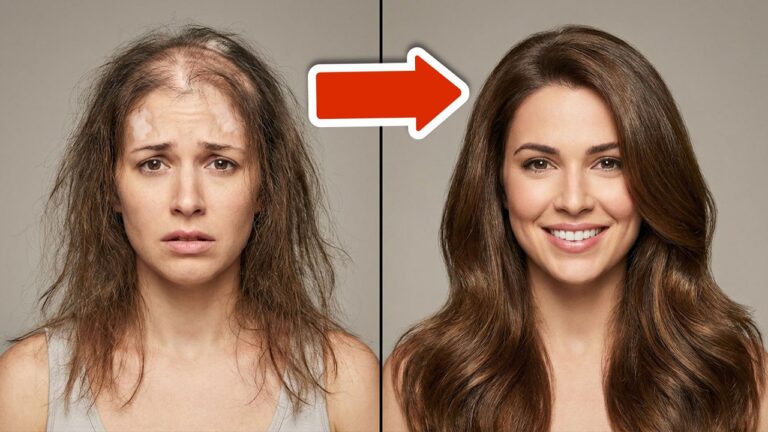
Have you noticed an increase in shedding or thinning hair? For many women, this can be a distressing experience, often linked to various factors, including hormonal changes, stress, or nutritional deficiencies. While addressing the root causes can be essential, there is one particular vitamin that plays a crucial role in maintaining healthy hair growth. Interested in learning more about how it can help? Keep reading.
Benefits of Vitamin for Hair
The vitamin you ought to focus on is biotin, also known as Vitamin B7. This water-soluble vitamin is often featured in hair care products and supplements due to its recognized benefits for hair health.
Promotes Healthy Hair Growth
Biotin is essential for the production of keratin, a protein that makes up your hair. By incorporating sufficient biotin into your diet, you can enhance the thickness, strength, and overall appearance of your hair.
Supports Scalp Health
A balanced level of biotin also contributes to a healthy scalp, promoting circulation and ensuring that follicles receive the nutrients they need. This can lead to not just improved hair, but also a healthier scalp environment.
Minimizes Hair Breakage
With regular intake of biotin, you may find that your hair is less prone to damage and breakage. This is particularly important for women who constantly style their hair or apply various treatments.
Food Sources of the Vitamin
To reap the benefits of biotin naturally, consider incorporating the following food sources into your meals:
- Eggs: Rich in proteins and a great source of biotin, especially in the yolk.
- Nuts and seeds: Almonds, walnuts, and sunflower seeds are excellent snacks that boost your biotin intake.
- Whole grains: Foods like oats and barley offer biotin while contributing fiber to your diet.
- Leafy greens: Spinach and kale not only provide biotin but also other essential vitamins.
- Peas and beans: These legumes are versatile and packed with nutrients, including biotin.
Incorporating Biotin-Rich Foods
Consider crafting meals around these ingredients. For example, you might prepare a delicious breakfast that includes scrambled eggs with spinach and a side of whole-grain toast. This simple change can significantly increase your biotin levels.
Cooking Tips
To maximize biotin from your meals, try steaming or lightly sautéing vegetables rather than overcooking them. You’ll preserve their nutrients and enhance their flavors.
Supplementation Tips
If you find it challenging to get enough biotin through food alone, supplementation can be considered. Here are some practical tips:
- Choose the right type: Look for high-quality biotin supplements without unnecessary fillers.
- Follow the recommended dosage: Stick to guidelines; too much biotin can lead to side effects.
- Consult your healthcare provider: Always speak with a professional before starting a new supplement, especially if you are on medication.
Combining with Other Nutrients
Taking biotin with other vitamins, particularly B vitamins and zinc, can enhance its absorption and effectiveness. Look for multivitamins that contain these interactions for a comprehensive approach.
Tracking Your Progress
Keep a journal of your hair health and any changes in your overall wellbeing when you begin supplementation. This can help you gauge efficacy and make necessary adjustments.
Common Mistakes to Avoid
When focusing on biotin for hair loss, it’s essential to avoid these common mistakes:
- Neglecting other nutrients: Focusing solely on biotin while ignoring potential deficiencies in other vitamins can undermine your efforts.
- Over-relying on supplements: Whole foods should be prioritized for a balanced intake of nutrients.
- Skipping professional advice: Self-diagnosing hair loss can lead to missed underlying health issues; always seek guidance from a healthcare professional.
FAQ
1. What are the symptoms of biotin deficiency?
Symptoms may include thinning hair, brittle nails, and skin rashes. If you suspect a deficiency, consult a healthcare provider.
2. Can biotin improve hair growth overnight?
While biotin can support hair health, results take time and vary from person to person. Consistency is key.
3. Are there any side effects of biotin supplements?
Generally, biotin is safe but can cause skin rashes or digestive upset in some individuals. Always follow dosage recommendations.
Conclusion
Prioritizing biotin in your diet can be a beneficial step towards addressing hair loss and promoting overall hair health. With thoughtful dietary choices and potentially helpful supplementation, you can work towards a fuller, healthier mane. Have you ever tried incorporating biotin into your routine? Share your experiences in the comments!