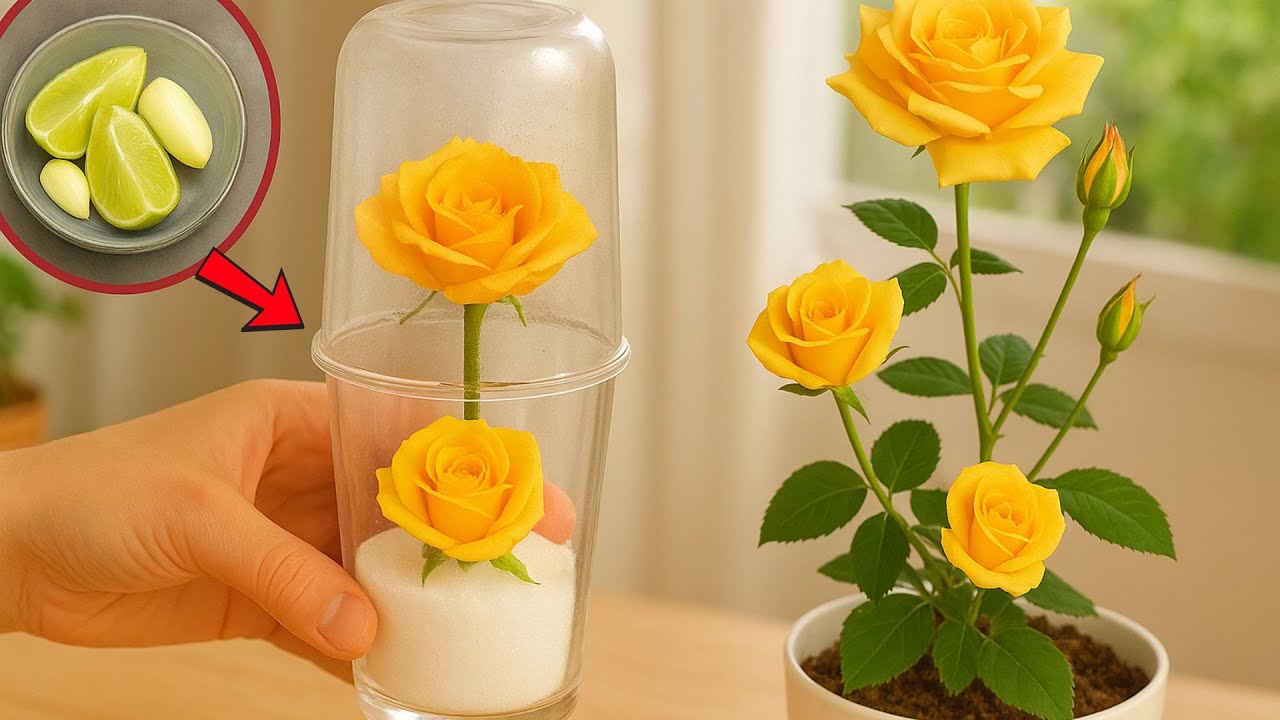
Grow 7 Stunning Roses from Cuttings with These Simple Tips!
Grow Strong and Stunning Roses from Cuttings with Simple Tips
- Introduction
- Why Grow Roses from Cuttings?
- Essential Materials for Rose Cuttings
- Step-by-Step Guide to Growing Roses
- Common Mistakes to Avoid
- FAQ
- Conclusion
Introduction
Imagine stepping into your garden and being greeted by a vibrant display of roses, their fragrant blooms adding color and beauty to your outdoor space. However, you may feel hesitant to buy expensive plants or struggle to keep your current ones thriving. Learning to grow roses from cuttings can be a rewarding experience, providing you with a limitless supply of these stunning flowers. Understanding the process might seem daunting at first, but it can lead to gorgeous blooms in your garden. Read on to discover how to nurture your rose-loving spirit!
Why Grow Roses from Cuttings?
Growing roses from cuttings allows you to propagate your favorite varieties without spending a fortune. Here are a few reasons to consider this method:
- Cost-effective: Save money by creating new plants from existing ones.
- Preserve unique varieties: Reproduce rare or beloved roses you might not find in stores.
- Personal satisfaction: Experience the joy of nurturing plants from their early stages.
Essential Materials for Rose Cuttings
Before you start, gather the following essential materials to ensure a successful propagation process:
- Healthy rose plant: Choose a strong and disease-free parent rose.
- Sharp pruning shears: Ensure they are clean to avoid contaminating the cuttings.
- Rooting hormone: This can significantly enhance the success rate of your cuttings.
- Potting mix: Opt for a well-draining mix to promote healthy root development.
- Small pots or trays: Perfect for housing your new cuttings.
Step-by-Step Guide to Growing Roses
Follow these detailed steps to propagate roses from cuttings successfully:
1. Preparing the Cuttings
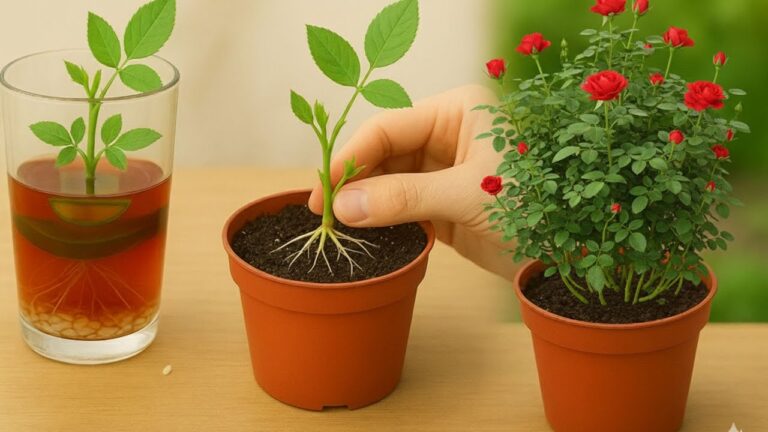
- Select a strong stem from a healthy rose plant that is about 6 to 8 inches long. Look for new growth that is firm and green.
- Using your sharp pruning shears, cut just below a leaf node — this is where roots will form.
- Remove the lower leaves, leaving only a few sets of leaves at the top. This helps the cutting focus energy on root growth.
2. Using Rooting Hormone
While optional, using a rooting hormone can improve your chances of success:
- Dip the cut end of your cutting into the rooting hormone, ensuring it is well-coated.
- Gently tap off any excess powder before moving to the next step.
3. Planting the Cuttings
- Fill your small pots or trays with the well-draining potting mix.
- Make a hole in the center of the soil and insert the cutting to a depth of about 2-3 inches.
- Firmly press the soil around the cutting to support it.
4. Watering and Covering
- Lightly water the soil to keep it moist, but avoid soaking it.
- Cover the pots or trays with a plastic bag or a clear plastic dome to create a greenhouse effect. This maintains humidity.
5. Caring for Your Cuttings
Place the pots in a warm, indirect light location. Check the moisture level regularly and water as necessary. After a few weeks, you should notice roots developing:
- Typically within 4 to 6 weeks, you can gently tug on the cuttings. If you feel resistance, roots are forming.
- Once established, remove the covering and gradually acclimate them to outdoor conditions.
Common Mistakes to Avoid
Even the most experienced gardeners can make mistakes when propagating roses. Here are some common pitfalls to watch out for:
- Using cuttings from weak or disease-affected plants can lead to failure.
- Overwatering cuttings can cause rot; ensure good drainage.
- Neglecting humidity during the rooting phase may dry out cuttings.
- Forgetting to acclimate cuttings before transplanting can shock the new plants.
- Not providing adequate light can hinder growth.
FAQ
How long does it take for rose cuttings to root?
Typically, rose cuttings will begin to root within 4 to 6 weeks, depending on the variety and conditions.
Can I grow roses from cuttings in water?
While roses can potentially root in water, it’s more reliable to use soil as it provides essential nutrients and support.
What is the best season to take rose cuttings?
The best time to take cuttings is during the late spring or early summer when the plant is actively growing.
Conclusion
Growing stunning roses from cuttings not only saves you money but also allows you to create a personal garden filled with your favorite varieties. By following these tips, you can experience the joy of seeing your efforts bloom. What types of roses are you hoping to grow in your garden?