Root 7 Rose Cuttings Faster in Water With This Simple Method!
Root Rose Cuttings Faster in Water: A Simple Method
- Introduction
- Required Materials
- Optimal Conditions for Rooting
- Step-by-Step Instructions
- Common Mistakes to Avoid
- FAQ
- Conclusion
Introduction
Have you ever admired a beautiful rose bush and wished you could create your own at home? You might find yourself wondering how to propagate those stunning flowers without spending a fortune at the nursery. While it may seem challenging, rooting rose cuttings in water can be a rewarding and simple process. By using the right method and a few basic materials, you can grow your own roses from cuttings, enjoying beautiful blooms in no time. Keep reading to discover how to successfully root rose cuttings in water.
Required Materials
Before you start, gather everything you need to ensure a successful propagation process. Here’s a list of materials:
- Rose cuttings: Choose healthy stems from your favorite rose plant.
- Clean glass jar or vase: This will hold the cuttings and water.
- Filtered water: Avoid using tap water to prevent any chemicals from affecting root growth.
- Plastic wrap: Helps to create a humid environment.
- Scissors or pruning shears: For taking cuttings cleanly.
Optimal Conditions for Rooting
For the best results, creating the right environment for your cuttings is essential. Here are key factors to consider:
Temperature
Keep your cuttings in a warm spot, ideally between 70°F and 75°F. This range encourages faster rooting. Avoid placing them in direct sunlight, as this can overheat the water and cuttings.
Water Quality
Using filtered water ensures that your cuttings don’t absorb any harmful substances. Change the water every couple of days to keep it fresh. This will also help prevent bacterial growth.
Humidity
By covering the jar with plastic wrap, you can maintain humidity around the cuttings. This helps retain moisture, crucial for root development.
Step-by-Step Instructions
Now that you have your materials ready, follow these simple steps to root rose cuttings in water:
- Prepare the cuttings: Take 6-8 inch cuttings from young, healthy stems. Ensure each cutting has a few leaves and cut just below a leaf node to maximize rooting potential.
- Remove leaves: Remove any leaves from the lower half of the cutting. This reduces energy loss and prevents decay in the water.
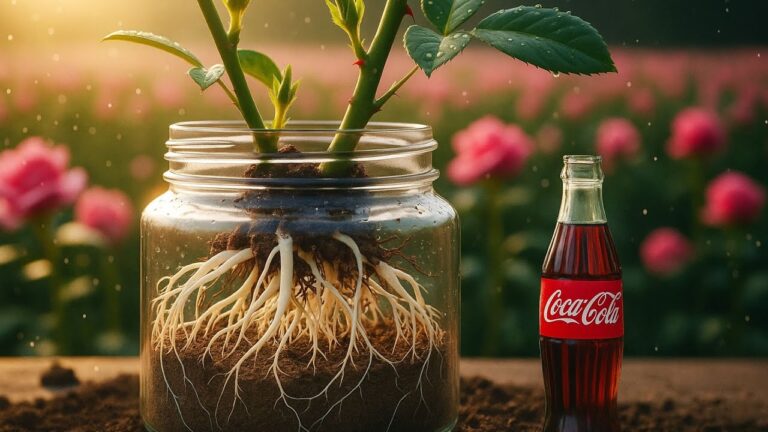
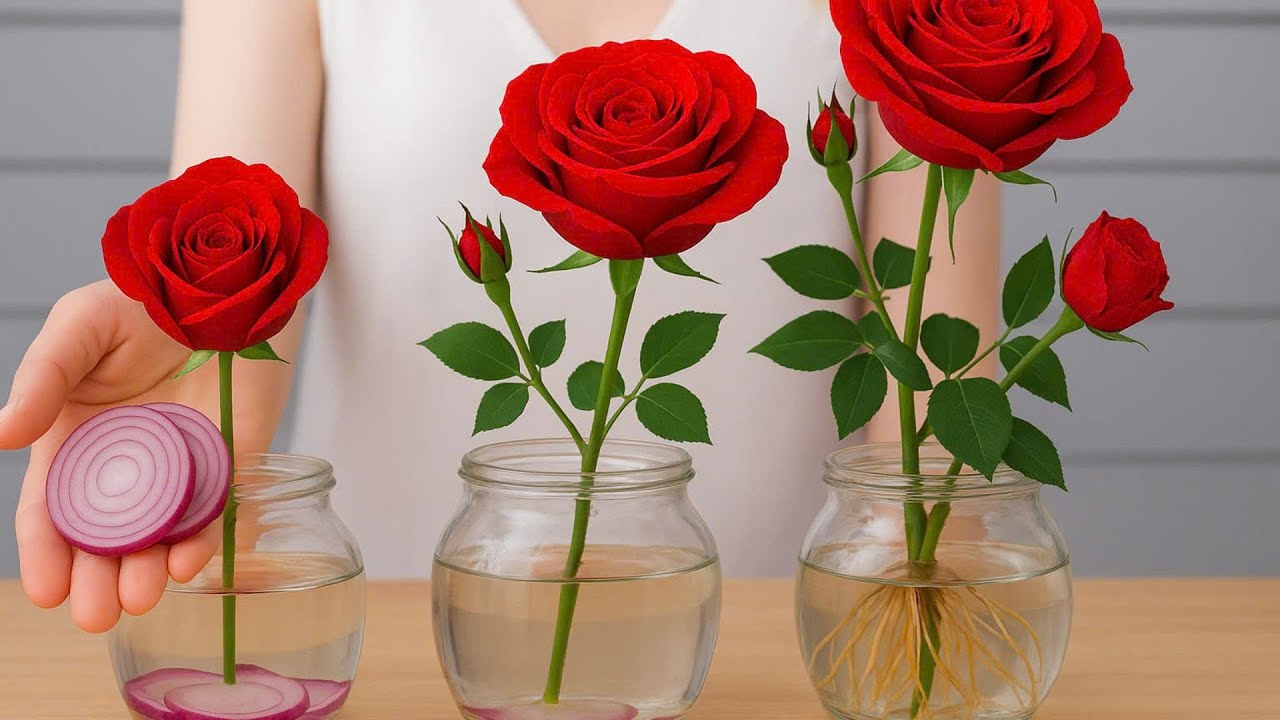
- Place in water: Set the cuttings in your clean jar or vase, ensuring that the bottom nodes are submerged in water.
- Cover with plastic: Loosely cover the top of the jar with plastic wrap, ensuring it doesn’t touch the cuttings, to create humidity.
- Monitor and wait: Change the water every few days. Roots should start developing within a few weeks.
Common Mistakes to Avoid
While propagating roses is straightforward, there are some common pitfalls to watch out for:
- Using old cuttings: Always select fresh cuttings; old or woody stems are less likely to root.
- Neglecting water changes: Failing to change the water regularly can lead to rot and hinder root growth.
- Too much sunlight: Direct sunlight can stress the cuttings. A bright, indirect spot is ideal.
- Overcrowding cuttings: Give each cutting enough space in the jar; overcrowding can limit airflow and increase decay.
- Ignoring humidity: Neglecting to cover the cuttings can lead to excessive moisture loss, which stunts growth.
FAQ
How long does it take for rose cuttings to root in water?
Typically, you can expect roots to start developing within 2 to 4 weeks, depending on the conditions.
Can I use any type of rose cutting?
Yes, but softer, younger stems usually root better than older, woody ones. Look for healthy growth.
What should I do if the cuttings start to rot?
If you notice any rot, immediately remove the affected cutting, change the water, and ensure that the remaining cuttings are healthy.
Conclusion
Rooting rose cuttings in water can be a fulfilling gardening project, offering you the chance to propagate beautiful flowers at home. By selecting quality cuttings and providing the right conditions, you can enjoy the growth of new rose plants. What are your favorite tips for propagating plants? Share your thoughts in the comments!