Speed Up Rooting: 5 Tips to Use a Water Propagation Machine Effectively
Speed Up Rooting: Tips for Effective Water Propagation
- Introduction
- Selecting the Right Plants
- Preparing Water for Propagation
- Monitoring Growth and Conditions
- Common Mistakes to Avoid
- FAQs
- Conclusion
Introduction
As you explore the world of plant propagation, you might notice some cuttings take longer to root than others. This delay can be frustrating, especially when you’re eager to expand your indoor garden. Understanding the factors that contribute to successful rooting can significantly enhance your experience with water propagation. By honing in on specific techniques, you’ll be on your way to cultivating lush, thriving plants in no time. Let’s dive into the effective strategies for utilizing a water propagation machine.
Selecting the Right Plants
To make the most of your water propagation setup, it’s essential to choose plants that thrive in this method. Here are some tips for selecting the best candidates:
1. Identify Suitable Plant Types
When it comes to effective water propagation, some plants are more suited than others. Look for plants like:
- Philodendrons
- Monstera
- Pothos
- Spider plants
These plants typically root well in water, making them great options for your propagation ventures.
2. Consider Cuttings Growth Stage
Selecting cuttings from the right part of the plant is crucial. Look for healthy stems with:
- At least one node
- Several healthy leaves
- No signs of disease or pests
This will improve your chances of successful rooting.
3. Know Your Environment
Understand how your indoor conditions impact your plant selections. Choosing plants that align with your lighting and humidity levels can make propagation even smoother.
Preparing Water for Propagation
The quality of water you use can play a significant role in the success of your propagation. Here are ways to ensure the best environment for your cuttings:
1. Use Clean, Filtered Water
To avoid introducing harmful substances, use filtered or distilled water. This reduces chlorine and other chemicals that could hinder root development.
2. Maintain Adequate Water Levels
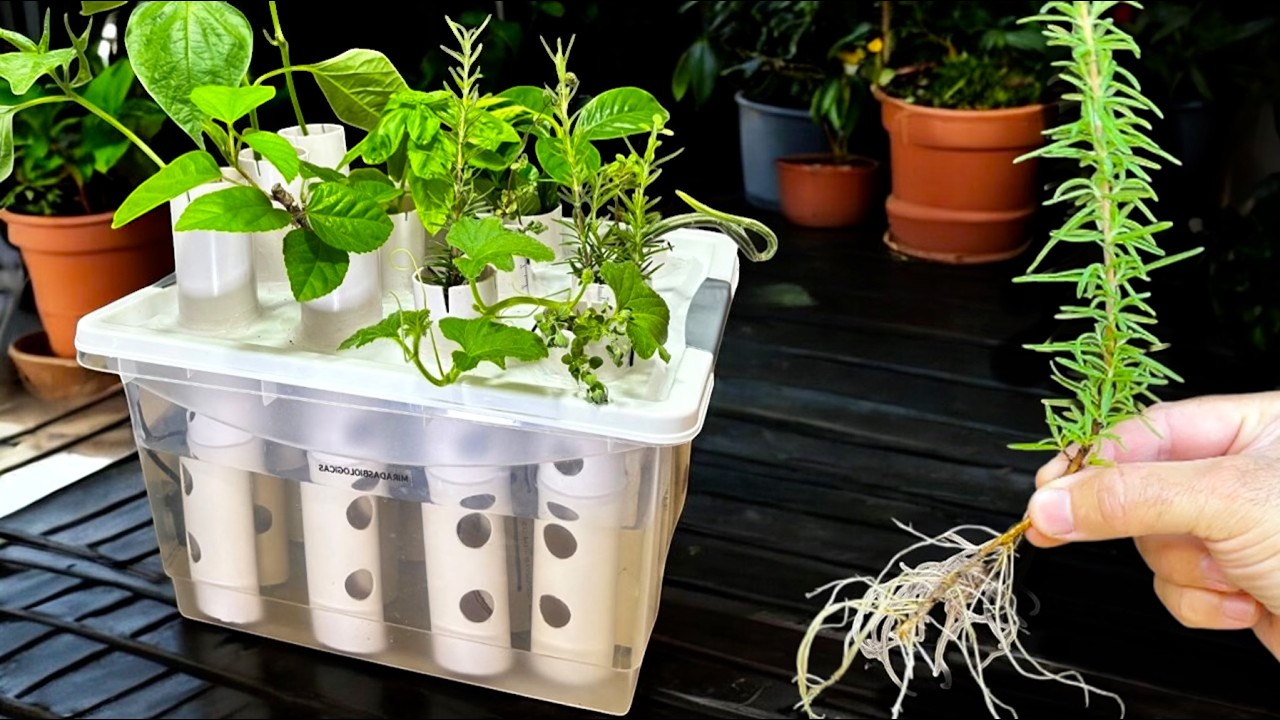
When placing your cuttings in a propagation machine, ensure the water covers the nodes adequately. Follow these steps:
- Fill your water propagation machine with filtered water.
- Submerge the nodes of your cuttings while ensuring leaves are above water.
- Change the water every week to keep it fresh and oxygen-rich.
3. Optimize Temperature
Keep your propagation setup in a warm place, ideally between 70°F and 80°F (21°C to 27°C). This promotes faster root growth.
Monitoring Growth and Conditions
As your cuttings begin to root, monitoring their progress is key. Here’s what to keep an eye on:
1. Observe Root Development
Roots should start to form within a few weeks. Check for healthy white roots while avoiding situations that promote rot, like excessive moisture.
2. Adjust Lighting Conditions
Ensure your cuttings receive plenty of bright indirect light without direct sunburn. Use sheer curtains to diffuse sunlight when necessary.
3. Maintain Humidity
If your surroundings are dry, consider placing a humidity dome over your cuttings to retain moisture. Regular misting can also help.
Common Mistakes to Avoid
Even seasoned gardeners can make missteps when it comes to water propagation. Here are some common errors to be mindful of:
1. Using Tap Water
Many gardeners overlook the importance of using clean water. Tap water can introduce harmful chemicals.
2. Overcrowding the Propagation Machine
Giving each cutting space helps prevent competition for resources and promotes better growth.
3. Neglecting to Change Water Regularly
Stale water can lead to root rot, so be diligent about changing it on a weekly basis.
4. Ignoring Pests
Always check your cuttings for pests before placing them in your propagation machine. A single infested cutting can jeopardize others.
FAQs
Q: How long does it take for cuttings to root in water?
A: Rooting times can vary but generally take anywhere from a few days to several weeks, depending on the plant type and conditions.
Q: Can I propagate multiple types of plants in the same water?
A: It’s best to propagate similar types of plants together to ensure they thrive under the same conditions.
Q: What should I do if my cuttings start to rot?
A: Remove the affected cuttings and change the water immediately to prevent the spread of rot to healthier cuttings.
Conclusion
Understanding the right plants to choose, how to prepare your water, and monitoring growth are all essential steps in successful water propagation. Have you tried propagation in your own home? Share your experiences in the comments below!