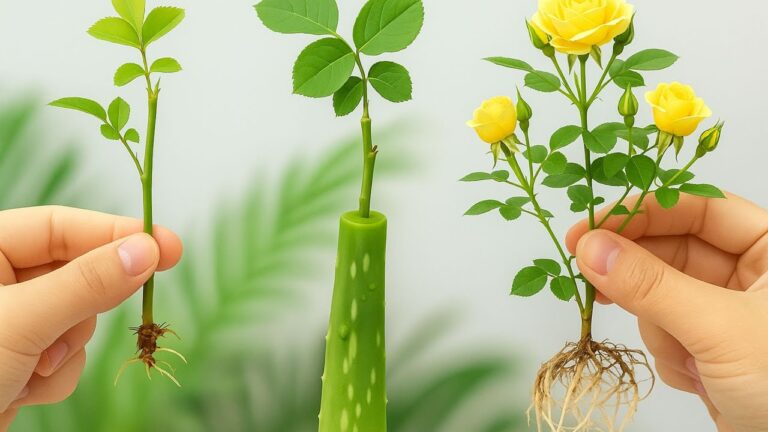
10 Amazing Tips to Grow Rose Cuttings with Stunning Roots and Blooms!
10 Essential Tips for Growing Rose Cuttings with Beautiful Roots and Blooms
- Introduction
- Choosing the Right Cuttings
- Preparing Your Cuttings
- Rooting Process for Rose Cuttings
- Common Mistakes to Avoid
- FAQ
- Conclusion
Introduction
Have you ever admired a blooming rose garden and wondered how to cultivate your own beautiful roses? The journey might seem daunting, especially if you’re starting with just a few cuttings. However, with the right approach, you can successfully grow stunning roses from cuttings in your own backyard. This guide will provide you with essential tips to nurture your cuttings into thriving plants.
Choosing the Right Cuttings
Finding the ideal rose cuttings is the first step in your journey towards beautiful blooms. Making the right selection is crucial for ensuring healthy growth.
1. Select Healthy Stems
When choosing cuttings, look for healthy stems that are firm and green. Avoid stems that are browning or wilting, as these are less likely to produce viable roots.
2. Assess the Age of the Stem
Cuttings from stems that are about a year old typically yield better results. Look for stems that are somewhat woody but with still some flexibility.
3. Timing is Key
Late spring or early summer is the best time to take rose cuttings. This is when the plants are actively growing and more likely to root successfully.
Preparing Your Cuttings
Once you have selected your cuttings, the next step is preparation. Proper preparation can significantly increase the chances of successful rooting.
1. Cut at an Angle
Use sharp, clean pruners to cut your stems at a 45-degree angle just below a node. This encourages water absorption and root development.
2. Remove Excess Leaves
Strip off the lower leaves, leaving just a couple at the top. This reduces moisture loss and helps the cutting focus its energy on root development.
3. Use Rooting Hormone
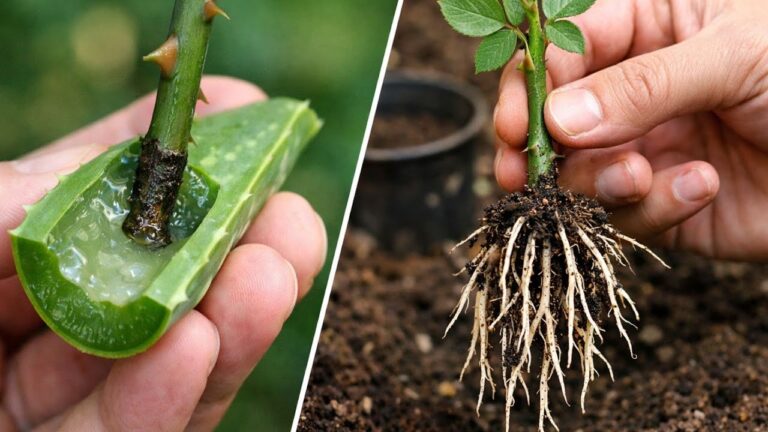
Dip the cut end of each stem into rooting hormone. This can enhance the rooting process and help establish strong roots. It’s an optional yet beneficial step.
Rooting Process for Rose Cuttings
With your cuttings prepared, you’ll want to create an ideal environment for them to grow roots. This includes choosing the right planting medium and location.
1. Choose the Right Medium
Use a well-draining potting mix or a mixture of perlite and peat moss. This will provide the right moisture balance while preventing root rot.
2. Plant the Cuttings
Make small holes in the medium and insert the cuttings, burying them about a couple of inches deep. Firm the soil around the cuttings to secure them.
3. Create a Humid Environment
Covering the cuttings with a plastic bag or clear container can help maintain humidity. Be sure to ventilate occasionally to prevent mold.
Common Mistakes to Avoid
Even experienced gardeners can make mistakes when growing rose cuttings. Understanding these pitfalls will help you avoid them.
1. Overwatering Your Cuttings
Too much water can suffocate roots and cause rot. Keep the soil moist but never soggy; check regularly.
2. Using Old or Poor Quality Cuttings
This can lead to disappointing results. Always select cuttings from healthy, vigorous plants to ensure good growth potential.
3. Neglecting Light Needs
Although cuttings need indirect sunlight, too little light can hamper growth. Ensure they get bright, filtered light to promote rooting.
FAQ
What type of roses are best for cuttings? Hybrid roses and climbing roses typically root well when propagated from cuttings.
How long does it take for rose cuttings to root? Rose cuttings usually take about 4 to 8 weeks to develop roots, depending on conditions.
Can I grow rose cuttings in water? While it is possible to root cuttings in water, using a soil medium usually yields better results.
Conclusion
Growing roses from cuttings can be a rewarding experience if you follow the right steps. By selecting healthy cuttings and providing the right environment, you can enjoy their beauty in your garden. What types of roses are you hoping to grow in your garden this year?