
5 Secrets to Successfully Rooting Rose Cuttings Fast
5 Secrets to Successfully Rooting Rose Cuttings Fast
- Introduction
- Understanding Rose Cuttings
- Preparation Steps for Rooting
- Creating Optimal Conditions for Growth
- Common Mistakes to Avoid
- FAQ
- Conclusion
Introduction
Have you ever admired a blooming rose bush and wished to recreate its beauty in your garden? You might find that starting new rose plants from cuttings is a rewarding endeavor. However, the process can sometimes feel daunting, especially if you’re unsure of the best methods to ensure successful rooting. Knowing where to begin and the specific steps involved can make all the difference. Continue reading to discover the secrets to successfully rooting rose cuttings and cultivating your own stunning roses.
Understanding Rose Cuttings
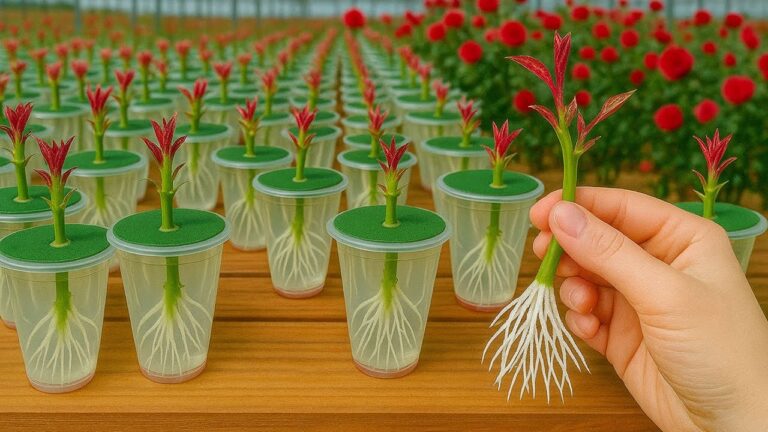
Before diving into the process of rooting rose cuttings, it’s essential to understand what exactly is involved. Cuttings are sections of stems that can develop roots to grow into new plants.
Types of Rose Cuttings
- Softwood cuttings are taken in spring when new growth is tender.
- Greenwood cuttings are taken in summer when the wood has just begun to mature.
- Hardwood cuttings are taken in late fall or winter from dormant stems.
Choosing Healthy Stems
Selecting the right stem is critical for successful rooting. Look for healthy, disease-free stems with at least a few nodes where leaves have been attached. Avoid stems that are weak or have signs of pests.
Preparation Steps for Rooting
The preparation of your cuttings is vital for promoting strong root development. Follow these steps to set your cuttings up for success:
- Gather materials: You will need sharp pruning shears, a clean container filled with water, a rooting hormone, and a pot with well-draining soil.
- Cut the stems: Take 6 to 8-inch cuttings from your selected rose. Make a clean cut just below a leaf node.
- Remove excess leaves: Trim any leaves from the lower half of the cutting to prevent rot and promote root growth.
- Dip in rooting hormone: This can help stimulate root growth. Tap off any excess before planting.
- Plant the cuttings: Place the cuttings in the prepared potting soil, ensuring at least one node is buried.
Creating Optimal Conditions for Growth
Once you have prepared your cuttings, creating the right environment is crucial. Follow these tips to enhance their chances of survival:
Choose the Right Location
Place the pot in a warm, sunny spot but avoid direct harsh sunlight. A bright windowsill or a greenhouse can provide the right amount of light without too much intensity.
Maintain Moisture
Keep the soil consistently moist but not waterlogged. You can cover the pot with a plastic bag or a clear plastic dome to retain humidity, creating a mini greenhouse effect.
Monitor Growth
After a few weeks, check for root development. You can do this by gently tugging on the cuttings. If you feel resistance, roots are forming.
Common Mistakes to Avoid
- Using the wrong season: Certain types of cuttings need to be taken at specific times of the year.
- Overwatering: Too much moisture can lead to rot, preventing roots from forming.
- Ignoring pests: Keep an eye out for any signs of pests that can infect the cuttings.
- Neglecting humidity: Lack of humidity can hinder growth; avoid letting the soil dry out.
- Using older cuttings: Older or woody cuttings may take longer to root and could fail.
FAQ
1. How long does it take for rose cuttings to root?
Rose cuttings typically take around 4 to 6 weeks to root, but this can vary based on conditions and the type of cutting used.
2. Can I use regular garden soil for rooting?
It’s best to use well-draining potting soil to provide the right environment for root development, rather than regular garden soil.
3. What should I do if my cuttings don’t root?
If cuttings don’t root, check the conditions, such as moisture and light, and consider trying fresh cuttings from a healthier plant.
Conclusion
Successfully rooting rose cuttings requires attention to detail and the right approach. By understanding the types of cuttings, preparing properly, and creating optimal growing conditions, you can enhance your chances of cultivating beautiful roses in your garden. What rose varieties are you excited to try rooting? Feel free to share your experiences in the comments!