5 Simple Steps to Grow Stunning Roses with This Natural Mix!
5 Simple Steps to Grow Stunning Roses with This Natural Mix
- Introduction
- Choosing the Right Roses
- Preparing the Natural Mix
- Planting and Caring for Your Roses
- Common Mistakes to Avoid
- Frequently Asked Questions
- Conclusion
Introduction
Picture an elegant garden adorned with lush, blooming roses, their vibrant colors brightening up your outdoor space. You might wonder how to create such a picturesque scene right in your backyard. Many struggle with rose gardening, unsure of the best practices to ensure robust growth and stunning blooms. Keep reading to discover effective steps for nurturing your roses using a natural mix, and transform your garden into a floral paradise.
Choosing the Right Roses
Selecting the correct type of rose is crucial for successful growth. Here are some pointers to help you make the best choice for your garden:
- Research various rose varieties: Consider options like hybrid teas, floribundas, or climbers depending on your garden space.
- Assess your climate: Ensure the roses you choose are suitable for your local climate conditions.
- Visit local nurseries: Speak with experts and see the roses in person to better understand their needs.
It’s also essential to think about your garden’s design when selecting roses. Mixing colors and sizes can create a visually appealing display.
Preparing the Natural Mix
An excellent natural nutrient mix can significantly enhance rose growth. Here’s how to prepare it:
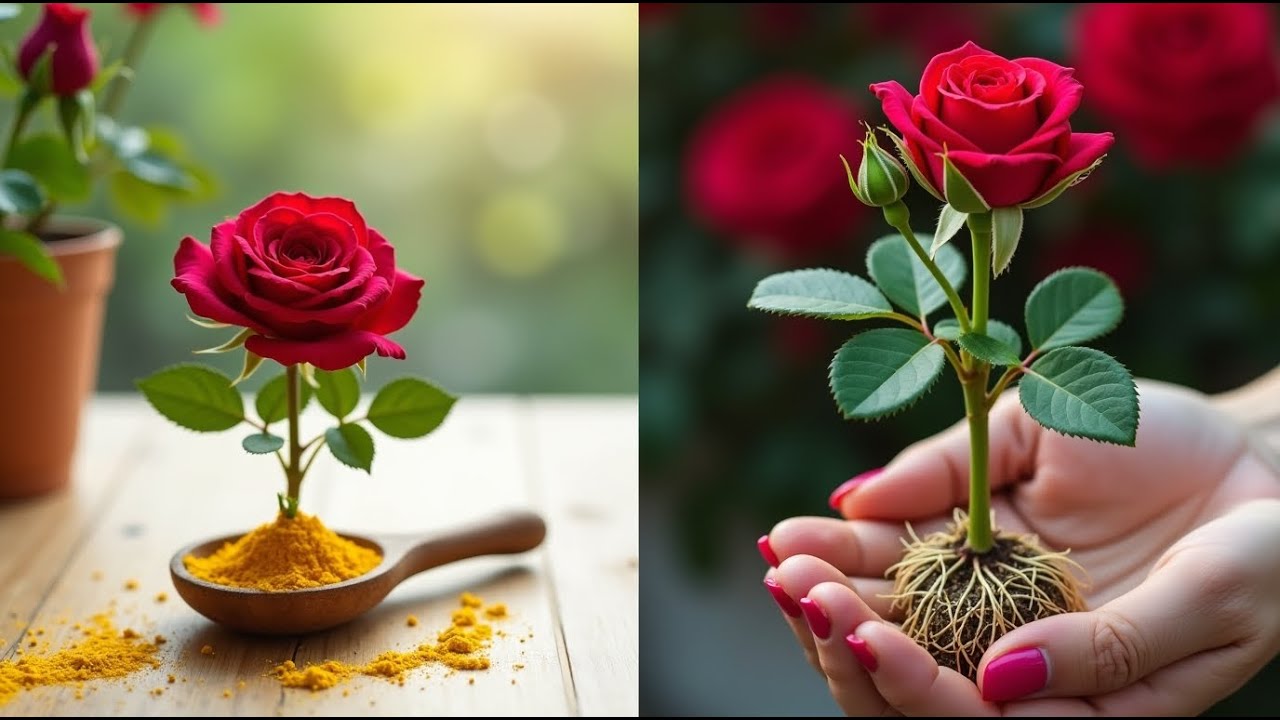
- Gather ingredients: You’ll need organic compost, bone meal, and Epsom salts. Each component offers unique benefits, fostering healthy growth.
- Mix the ingredients: Combine equal parts of compost and bone meal, then add a tablespoon of Epsom salts per cup of the mixture.
- Store the mix properly: Keep your natural blend in a cool, dry place until you’re ready to use it. Proper storage ensures its effectiveness.
This natural mix not only nourishes your roses but also helps improve soil structure, ultimately benefiting your entire garden.
Planting and Caring for Your Roses
Once your mix is ready, it’s time to plant. Follow these steps for optimal care:
- Select the right timing: Plant your roses in early spring or fall. This timing allows roots to establish before extreme weather.
- Prepare the planting site: Choose a sunny location with well-draining soil. Amend the soil with your natural mix before planting.
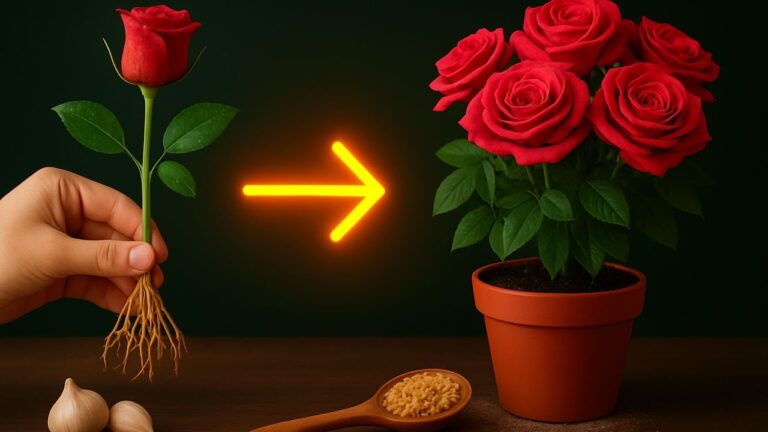
- Plant your roses: Dig a hole twice the width of the root ball, place the rose in, and backfill with soil and the natural mix.
- Water adequately: Keep the soil consistently moist but not soggy, especially during hot spells.
- Prune as needed: Regular pruning encourages air circulation and more abundant blooms.
Consistent care, including checking for pests and disease, is vital for robust rose health. Regular inspection ensures you can tackle any issues promptly.
Common Mistakes to Avoid
- Overwatering: Excessive water can drown roots and promote disease. Ensure good drainage and water less frequently if necessary.
- Neglecting sunlight: Roses thrive in full sun. Ensure they receive at least six hours of sunlight daily.
- Ignoring soil health: Poor soil can inhibit growth. Regularly amend your soil with organic materials, including the natural mix.
- Planting too close: Crowded plants can hinder air circulation and promote fungal issues. Allow enough space for growth.
Frequently Asked Questions
How often should I fertilize my roses? It’s best to fertilize once in early spring and again after the first bloom cycle for healthy growth.
Can I use the natural mix for other plants? Yes, the natural mix can also benefit other flowering plants and vegetables, enhancing overall garden health.
What pests should I look out for? Aphids, spider mites, and Japanese beetles are common pests. Regular inspection helps catch them early.
Conclusion
Growing stunning roses with a natural mix requires thoughtful selection, careful preparation, and diligent care. With these practical steps, you can elevate your gardening experience. What type of roses do you hope to cultivate in your garden?