7 Secrets for Picking the Sweetest Watermelons You Need to Know!
7 Secrets for Picking the Sweetest Watermelons You Need to Know
- Understanding Watermelons
- Seasonal Considerations
- Visual Guidelines for Selecting
- Common Mistakes When Choosing Watermelons
- Frequent Questions About Watermelons
Whether you are at a bustling farmer’s market or a grocery store, standing before a pile of watermelons can be an overwhelming experience. You might feel uncertain about how to choose the ripest, sweetest options among them. There’s nothing quite like cutting into a perfectly ripe watermelon on a hot summer day, but what exactly makes one watermelon a better choice than another? Explore the secrets to selecting the best watermelons and elevate your summer enjoyment.
Understanding Watermelons
Watermelons are a popular summer fruit, known for their high water content and refreshing taste. However, not all watermelons are created equal, and understanding their characteristics can significantly improve your selection skills.
1. Types of Watermelons
There are several varieties of watermelon, including:
- Seedless Watermelons: Popular for convenience, these have small white seeds that are easy to eat.
- Icebox Watermelons: Smaller varieties, perfect for chilling in your fridge for quick snacks.
- Picnic Watermelons: Larger types, ideal for gatherings; they are juicy and sweet.
2. Nutritional Benefits
Watermelons are not only refreshing but also packed with nutrients such as:
- Vitamins A and C, which support skin and immune health
- Antioxidants like lycopene, beneficial for heart health
- Hydration, as they contain about 92% water
Seasonal Considerations
Choosing the right time to buy watermelons can be a game changer. Here’s what you need to know about the best seasons:
1. Best Time of Year
Watermelons are typically in season during the summer months, especially from June to September. During this period, they are most likely to be at their peak sweetness and flavor.
2. Local vs. Imported
Whenever possible, opt for locally grown watermelons. Local varieties tend to ripen better in the regional climate and are often fresher compared to imports.
Visual Guidelines for Selecting
When it comes to picking the perfect watermelon, visual cues can guide you to the right choice. Here are some practical tips:
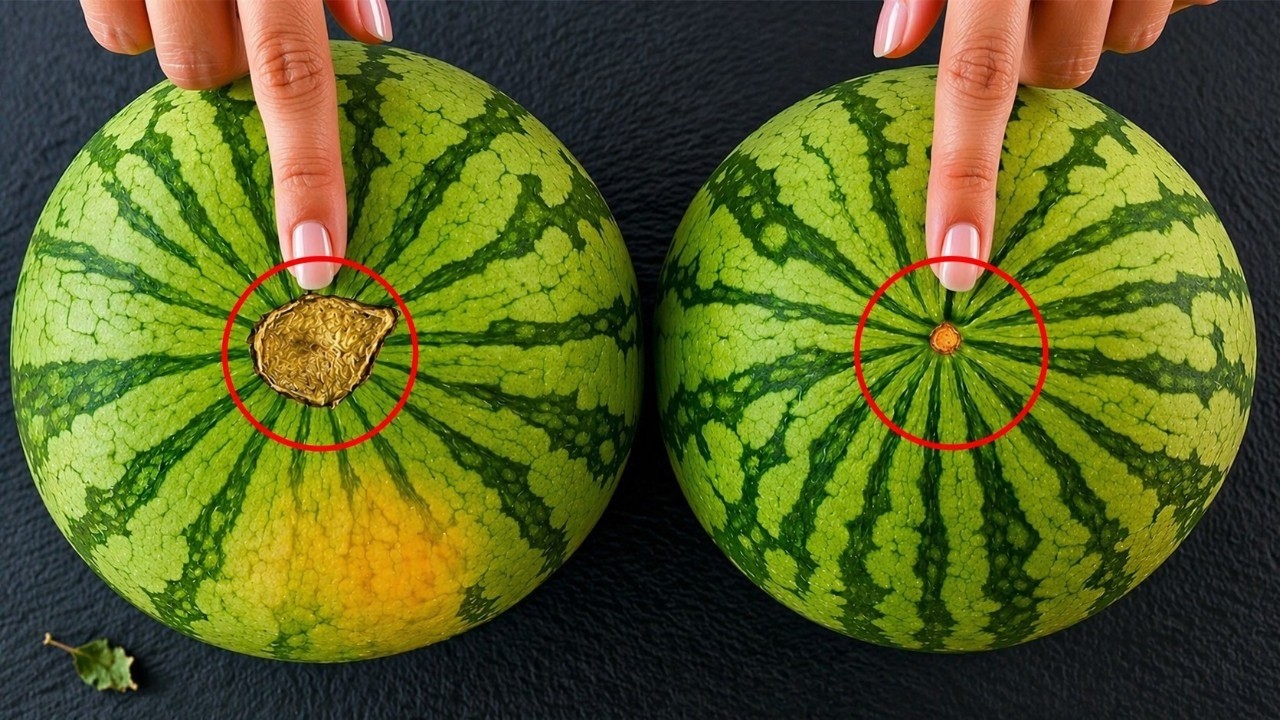
1. Look for the Field Spot
The field spot of the watermelon is where it sat on the ground while growing. A creamy yellow spot indicates ripeness and sweetness. The darker the spot, the sweeter the melon is likely to be.
2. Check the Color and Texture
Choose a watermelon that has a uniform color and a smooth surface. Avoid those with too many blemishes or cuts.
3. Tap It!
Give the watermelon a gentle tap. A ripe watermelon should produce a deep, hollow sound, indicating it’s full of water and ready to eat.
Common Mistakes When Choosing Watermelons
Even experienced shoppers can make errors when selecting watermelons. Here are common mistakes to avoid:
1. Ignoring the Shape
Watermelons should ideally be symmetrical. Odd shapes might indicate irregular growth, which can affect the taste.
2. Overlooking the Weight
A heavier watermelon usually contains more water and is likely to be juicier. Don’t shy away from lifting a few before making a selection.
3. Settling for Minor Imperfections
Small surface blemishes can be okay, but large cuts or dents usually indicate damage that could affect taste.
Frequent Questions About Watermelons
1. How long can I store a watermelon?
A whole watermelon can be stored at room temperature for about a week. Once cut, it should be refrigerated and consumed within a few days.
2. Can I freeze watermelon?
Yes, watermelon can be frozen. Cut it into chunks, place them in an airtight container, and they can last for several months. It’s great for smoothies!
3. How do I know if a watermelon is ripe?
Look for a firm texture, a yellow field spot, and a hollow sound when tapped. These characteristics will help you select a ripe watermelon.
In conclusion, selecting the perfect watermelon involves understanding its types, seasonal variations, and visual cues. Avoid common mistakes and you’ll be well on your way to finding a sweet, juicy melon this summer. Have you discovered any tips for choosing great watermelons? Feel free to share your experiences in the comments!