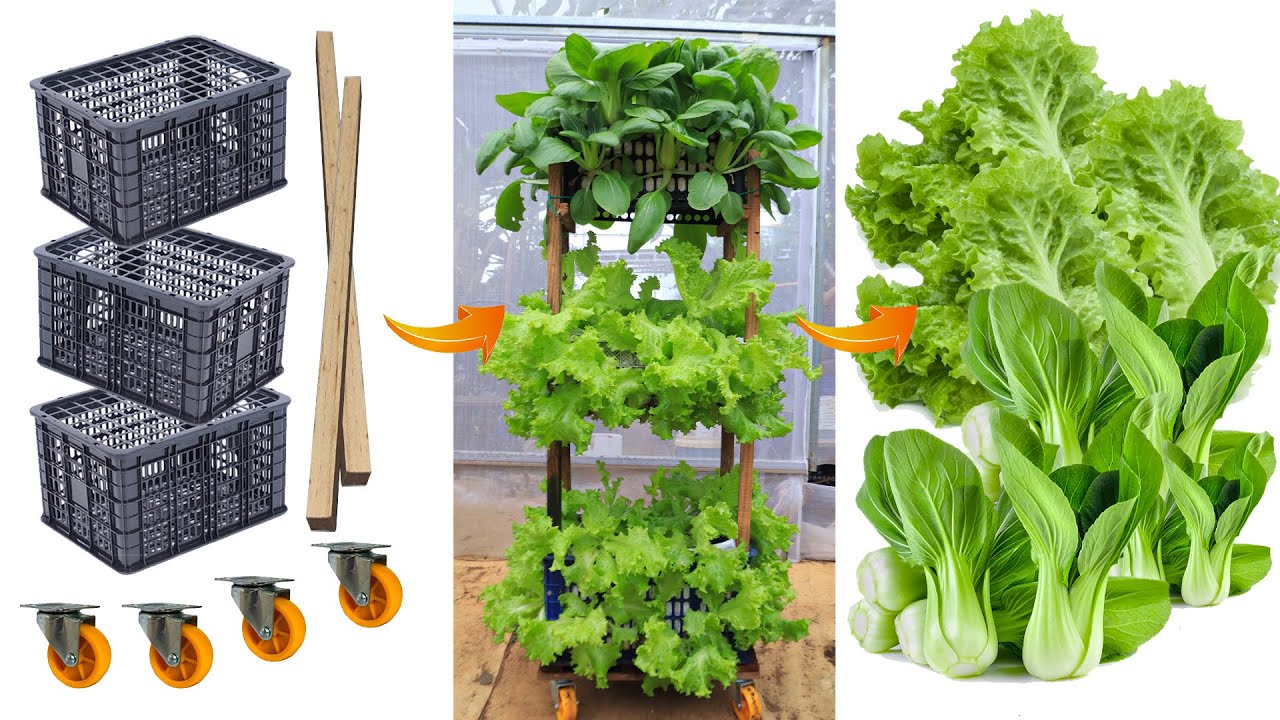
5 Steps to Grow Vegetables in Recycled Plastic Baskets: Easy Vertical Gardening Tips
Grow Vegetables in Recycled Plastic Baskets: Your Guide to Vertical Gardening
- Introduction
- Benefits of Vertical Gardening
- Choosing Your Baskets
- Planting Your Vegetables
- Care and Maintenance
- Common Mistakes
- FAQ
- Conclusion
Introduction
Have you ever found yourself staring at a limited backyard space and wishing for a small vegetable garden? Perhaps you struggle with the lack of sunlight or soil quality. Creating a thriving vegetable garden can feel overwhelming, especially with restrictions on space and resources. However, repurposing recycled plastic baskets offers a practical solution to grow your own vegetables vertically. Let’s explore how you can bring this creative idea to life.
Benefits of Vertical Gardening
Vertical gardening not only saves space but also enhances the aesthetic of your outdoor area. Here are a few notable benefits:
- Maximized Space: Vertical gardens allow you to cultivate more plants in a smaller footprint.
- Better Air Circulation: Elevating your plants can reduce the risk of diseases associated with moisture buildup.
- Accessible Gardening: Easier on your back and knees, making gardening more enjoyable, especially for those with mobility issues.
Types of Vegetables to Grow
When considering which vegetables to plant, think about their growth habits and your culinary preferences. Some excellent choices include:
- Cherry tomatoes
- Peppers
- Lettuce and leafy greens
- Herbs like basil and parsley
Choosing Your Baskets
Selecting the right recycled plastic baskets is crucial for your vertical garden’s success. Here’s how to do it:
- Size: Opt for baskets that are at least 12 inches deep to provide sufficient space for roots.
- Drainage: Ensure your baskets have drainage holes to prevent waterlogging.
- Material Quality: Look for durable recycled plastics that can withstand weather elements.
Design Options
Consider different designs to enhance your garden’s visual appeal:
- Stacked baskets create a cascading effect.
- Hanging baskets can be mounted on walls or fences.
- Tiered arrangements maximize your gardening space effectively.
Planting Your Vegetables
Once you have your baskets ready, it’s time to plant. Follow these steps:
- Fill Baskets: Start with a base of quality potting soil mixed with compost.
- Plant Seeds or Seedlings: Position them according to the light and spacing requirements.
- Water Thoroughly: After planting, provide an adequate amount of water to help them settle.
Vegetable Spacing Tips
Proper spacing can ensure that your plants thrive:
- For larger plants like tomatoes, leave at least 18 inches between them.
- Smaller plants can be spaced closer together, around 6-12 inches apart.
Care and Maintenance
To maintain a healthy vertical garden, regular care is necessary. Here’s how you can manage it:
- Watering: Check soil moisture daily, especially during hot days, and water when needed.
- Fertilizing: Apply a balanced, organic fertilizer every few weeks to promote growth.
- Pest Control: Regularly inspect plants and use natural remedies, like neem oil, if pests appear.
Seasonal Adjustments
Pay attention to the seasonal needs of your plants:
- In cooler months, consider using fabric covers to protect your plants.
- In summer, frequent watering may be needed due to evaporation.
Common Mistakes
Avoid these frequent pitfalls for a successful vertical garden:
- Not checking drainage can lead to root rot.
- Overcrowding plants may hinder growth.
- Neglecting sunlight needs can affect plant yield.
- Using poor-quality soil hampers plant health.
- Inconsistent watering can cause stress to your plants.
FAQ
What types of vegetables grow best in vertical gardens?
Vegetables that grow well in vertical gardens include cherry tomatoes, peppers, and various herbs. Always consider their growth habits and sunlight needs.
How often should I water my vertical garden?
Watering frequency depends on the weather and plant type, but daily checks are advisable. Water when the top inch of soil feels dry.
Can I use any plastic baskets for vertical gardening?
Not all plastic baskets are suitable. Ensure that they are at least 12 inches deep and have proper drainage to support healthy plant growth.
Conclusion
Creating a vertical garden using recycled plastic baskets is a rewarding way to utilize limited space while growing fresh vegetables. By following these simple tips, you can develop a vibrant and productive garden. What have you planted in your vertical garden, or what do you plan to grow? Share your experiences in the comments below!