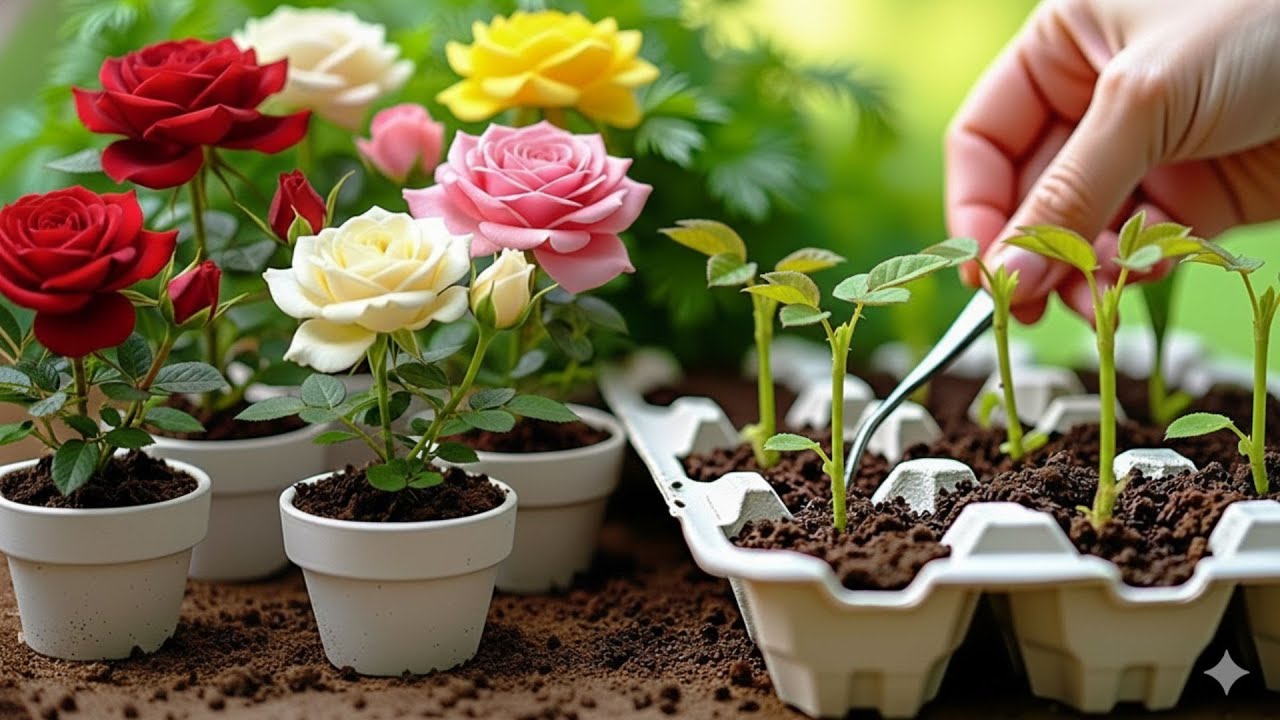
10 Unique and Effective Ways to Propagate Roses at Home!
10 Unique and Effective Ways to Propagate Roses at Home
- Introduction
- Benefits of Propagating Roses
- Different Methods to Propagate Roses
- Common Mistakes When Propagating Roses
- Frequently Asked Questions
- Conclusion
Introduction
If you’ve ever admired blooming roses in a friend’s garden or at a local nursery, you might have thought about how wonderful it would be to grow your own. However, the idea of starting from scratch can feel daunting. Rose propagation can seem complicated, yet it opens a pathway to share the beauty of these stunning flowers at home. By learning various propagation methods, you can cultivate a vibrant rose garden while connecting deeper with nature. Let’s explore some unique and effective ways to successfully propagate roses without the fuss.
Benefits of Propagating Roses
Understanding the benefits of propagating roses can deepen your appreciation for these flowers and make the process more rewarding. Here are some key advantages:
1. Cost-savings
Instead of purchasing new plants, you can create more blooms from your existing roses, saving money while expanding your garden.
2. Customized Selection
By propagating your favorite varieties, you can develop a garden that reflects your personal taste and preferences, ensuring each bloom is special.
3. Preservation of Rare Varieties
Preserving rare or heirloom rose varieties can be fulfilling, allowing future generations to enjoy these unique blooms.
Different Methods to Propagate Roses
There are several effective methods you can use to propagate roses. Each approach has its own set of advantages, making it essential to choose the one that aligns with your gardening style.
1. Stem Cuttings
Stem cuttings are a popular way to propagate roses. Follow these steps:
- Choose healthy stems from your rose plant, ideally those that have recently bloomed.
- Cut a 6-inch segment just below a node, ensuring it has a few leaves.
- Remove the lower leaves to avoid rot, leaving only 2-3 at the top.
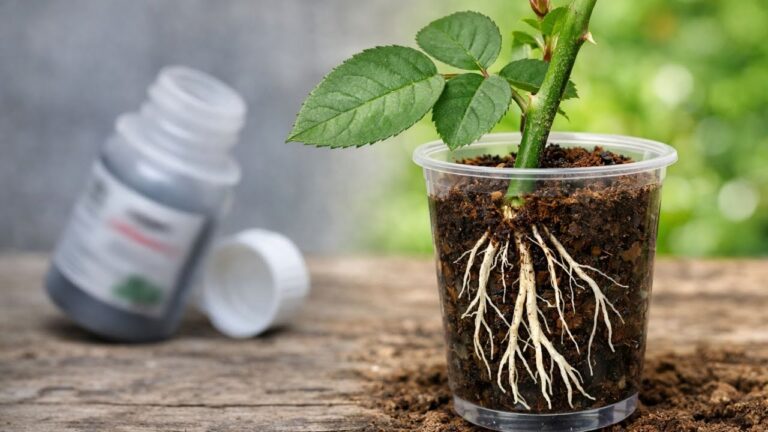
- Dip the cut end in rooting hormone.
- Plant it in a pot filled with moist potting soil and water gently.
2. Layering
Layering is another effective method. Here’s how to do it:
- Select a low-growing stem that can be bent to the ground.
- Wound the stem lightly at a node to encourage rooting.
- Cover the wound with soil, leaving the tip exposed.
- Water regularly. After a few weeks, roots will form, allowing you to sever the new plant from the mother plant.
3. Grafting
Grafting involves joining two plant sections together. Follow these steps:
- Choose a compatible rootstock and scion (the desired rose variety).
- Make a diagonal cut on both the rootstock and the scion for a secure fit.
- Join the pieces and secure them together using grafting tape.
- Maintain humidity and warmth until growth begins.
4. Seed Propagation
For the adventurous, growing from seeds can be an exciting challenge:
- Collect seeds from ripe rose hips.
- Stratify them by placing them in the fridge for 6-8 weeks to mimic winter.
- Plant them in a seed tray filled with a seed-starting mix.
- Keep the soil moist until germination occurs.
Common Mistakes When Propagating Roses
A successful rose propagation journey can be hindered by several common mistakes. Be mindful of these:
- Using unhealthy cuttings, which limits your chances of success.
- Neglecting the importance of humidity, which can dry out cuttings.
- Overwatering, as too much moisture can lead to rot.
- Ignoring suitable growing conditions like light and temperature.
Frequently Asked Questions
Q: How long does it take for rose cuttings to root?
A: Rose cuttings typically take 2-6 weeks to root, depending on conditions such as temperature and moisture.
Q: Can I propagate roses in water?
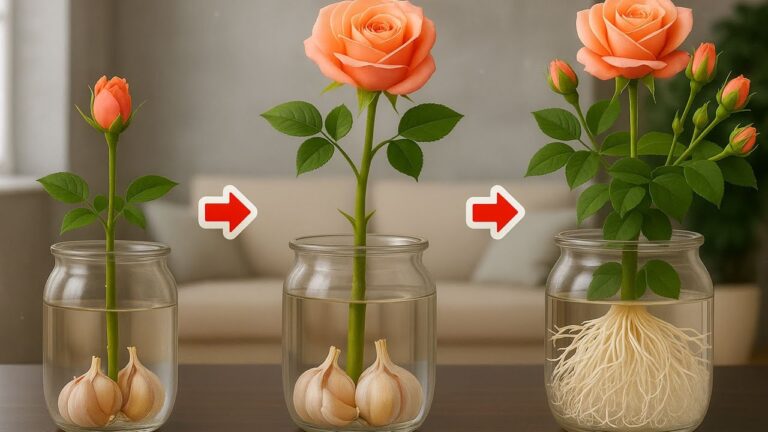
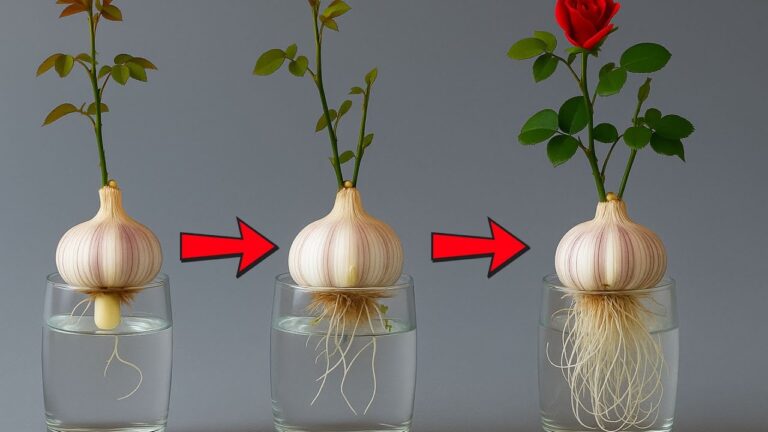
A: While some gardeners have had success with water propagation, it’s generally more reliable to use soil for rose cuttings.
Q: Which time of year is best for propagating roses?
A: The best time for propagation is during spring or early summer when plants are in active growth.
Conclusion
Propagating roses can be a fulfilling way to expand your garden and enjoy these beautiful flowers at home. By employing the right techniques and avoiding common pitfalls, you can see your efforts bloom beautifully. What methods have you tried, or are you eager to experiment with new ones? Share your experiences in the comments!