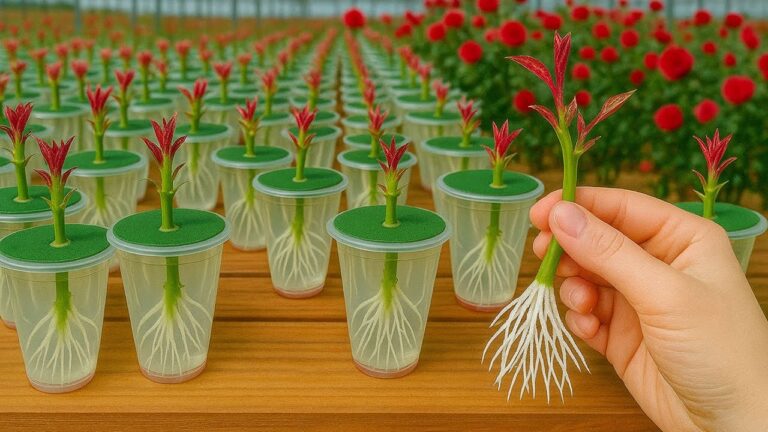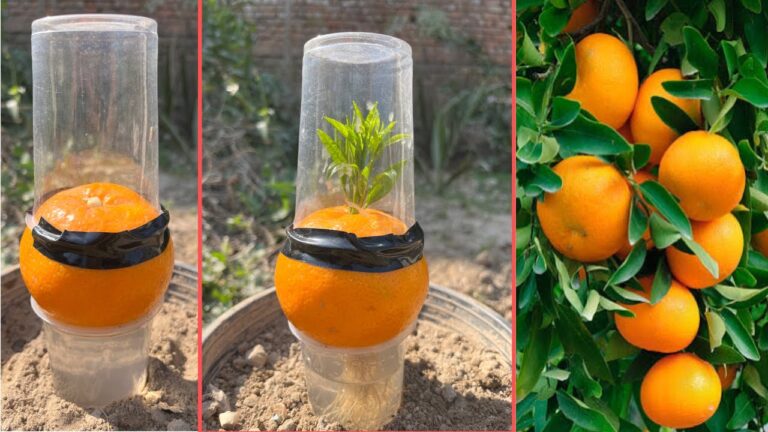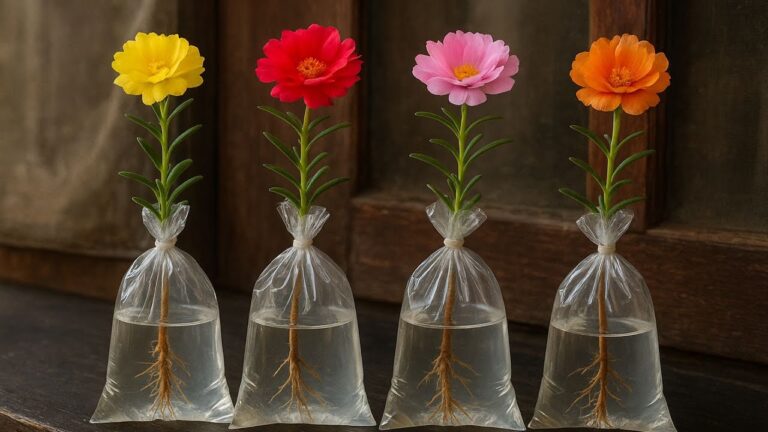

Grow 1,000+ Roots and Blooms from Your Rose Cuttings in No Time!
Grow Abundant Roots and Blooms from Your Rose Cuttings
- Introduction
- Benefits of Propagating Roses
- Choosing the Right Cuttings
- Step-by-Step Guide to Growing Rose Cuttings
- Common Mistakes to Avoid
- FAQ
- Conclusion
Introduction
Have you ever admired a beautiful rose bush and thought about how satisfying it would be to multiply the blooms in your garden? Propagating roses from cuttings not only saves you money but also allows you to preserve cherished varieties. This timeless gardening technique can seem daunting, but with the right knowledge, you can cultivate numerous new plants from your existing ones. Read on to discover how to turn your rose cuttings into thriving new blooms.
Benefits of Propagating Roses
Understanding why you should propagate roses can enhance your gardening experience. Here are some compelling reasons:
- Cost-effective: Instead of purchasing new plants, you can create your own.
- Preserve varieties: Keep the legacy of beloved roses alive in your garden.
- Personal satisfaction: The joy of nurturing plants from cuttings can deepen your connection to gardening.
Enhance Your Garden’s Aesthetics
New rose plants can complement your existing garden layout, providing fresh hues and textures. Consider placing them strategically for maximum visual impact.
Expand Your Gardening Knowledge
Learning to propagate roses enriches your gardening skills. The techniques you master can be adapted for various plants, offering versatility in your gardening endeavors.
Choosing the Right Cuttings
Your success in growing roots and blooms comes down to selecting the right cuttings. Here’s how to do it:
- Pick healthy stems: Look for firm, disease-free stems that are about 6 to 8 inches long.
- Identify the season: Late spring to early summer is ideal, as roses are actively growing during this time.
- Remove leaves and thorns: Trim the lower leaves only, leaving a few at the top for photosynthesis.
Inspecting the Parent Plant
Ensure your parent plant is in good health, as this directly affects the viability of your cuttings. Avoid cutting from stressed or sick plants.
Preparing the Cuttings
Once you’ve selected your cuttings, prepare them by treating the ends with rooting hormone to encourage faster root development.
Step-by-Step Guide to Growing Rose Cuttings
Now that you’ve chosen your cuttings, follow these detailed steps to grow your new roses:
- Fill containers: Use small pots filled with a well-draining potting mix. Ensure the soil retains moisture without becoming soggy.
- Insert cuttings: Make a small hole with your finger and carefully place each cutting into the soil, burying it about halfway.
- Water lightly: Mist the soil to moisten it without over-saturating. A spray bottle works well for this.
- Create a greenhouse effect: Cover the pots with plastic bags or a plastic lid to maintain humidity, removing it occasionally for air circulation.
- Place in indirect sunlight: Keep your cuttings in a warm spot with filtered light until roots develop.
Maintaining Optimal Conditions
Monitor moisture levels to ensure the cuttings stay hydrated while preventing root rot. Adjust the covering as needed based on humidity.
Transplanting Your New Roses
After a few weeks, carefully check for new growth. Once roots are established, gradually acclimate the plants to external conditions before transplanting them outdoors.
Common Mistakes to Avoid
Here are some frequent missteps to steer clear of when propagating roses:
- Using old cuttings: Ensure cuttings are fresh; older cuttings have a lower success rate.
- Neglecting humidity: Too little moisture can cause cuttings to dry out and fail.
- Overwatering: This can lead to root rot; always allow the soil to dry out slightly.
- Insufficient light: Cuttings need bright, indirect light; avoid placing them in direct sunlight.
- Ignoring pests: Keep an eye out for insects that can hinder growth; treat any infestations promptly.
FAQ
How long does it take for rose cuttings to root?
Typically, rose cuttings will begin to root within 2 to 4 weeks, depending on the variety and conditions.
Can I propagate roses in water instead of soil?
Yes, you can propagate roses in water, but it’s essential to transition them to soil once roots develop for better growth.
What time of year is best for rose propagation?
The best time for propagating roses is in late spring to early summer when plants are actively growing.
Conclusion
Propagating roses from cuttings can be a rewarding gardening project that enriches your landscape with beautiful blooms. By understanding the right techniques and avoiding common pitfalls, you can create a flourishing collection of roses. What types of roses are you excited to try propagating?