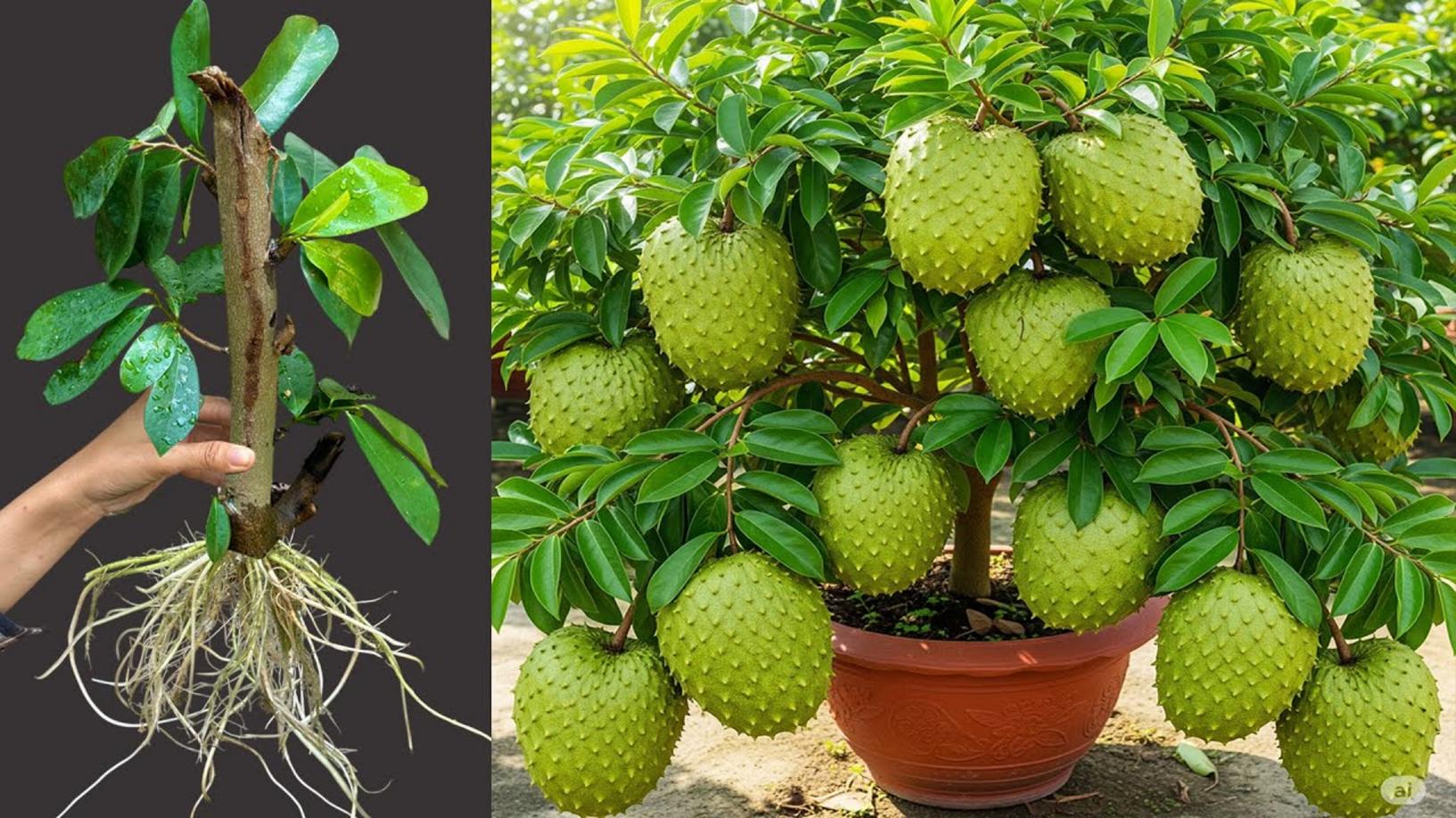
This simple trick transforms your garden and yields soursop in no time…
This Simple Trick Transforms Your Garden and Yields Soursop in No Time
Why Choose Soursop and Sweetsop Trees?
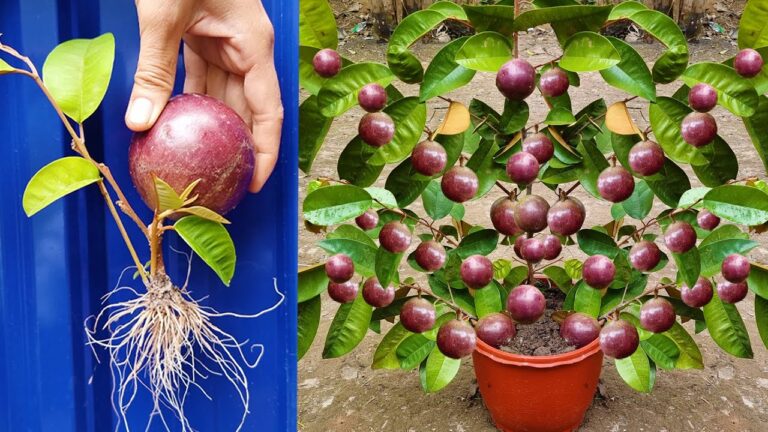
When it comes to tropical fruits, **soursop** and **sweetsop** are among the most delicious and nutritious options you can grow in your garden. Not only do they offer unique flavors, but they’re also packed with health benefits. If you dream of enjoying your own fresh soursop, it’s easier than you think. Here’s how to propagate these trees from cuttings and ensure a bountiful yield.
Step-by-Step Guide to Propagating Soursop Trees
1. Selecting the Right Cutting
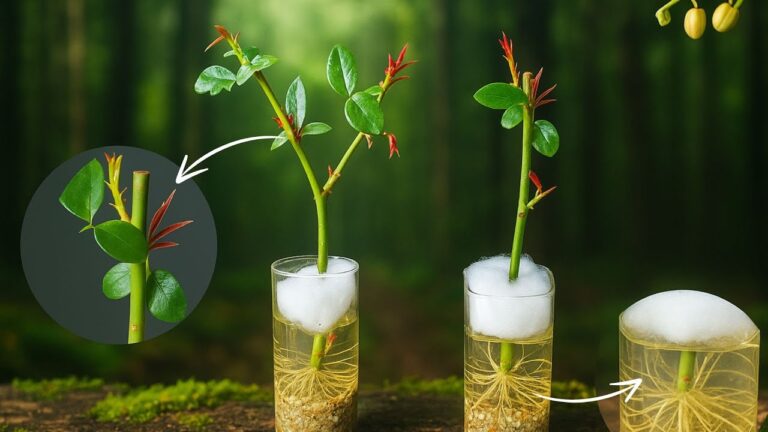
Choose a healthy, mature branch from a soursop tree that is at least 1 year old. Look for a cutting that is around 6-8 inches long and has several nodes. **Avoid** any branches that appear diseased or weak.
2. Preparing the Cutting
Using a sharp, clean knife, make a clean diagonal cut just below a node. Remove any leaves from the bottom half of the cutting to prevent rot. This step is critical to ensure that the cutting can focus on developing roots rather than supporting leaves.
3. Rooting Hormone Application
To speed up the rooting process, dip the cut end of the cutting in **rooting hormone**. This natural powder stimulates root growth and increases your chances of successful propagation.
4. Planting the Cutting
Fill a small pot with well-draining potting soil. Make a hole in the center and gently insert the cutting, ensuring that at least one node is below the soil. Firm the soil around the cutting to provide stability.
5. Watering and Covering
Water the soil lightly to ensure moisture without waterlogging. Cover the pot with a clear plastic bag or dome to create a greenhouse effect. This will help maintain humidity and encourage root growth.
6. Providing the Right Environment
Place the pot in a warm location with indirect sunlight. Avoid direct sunlight, as it can overheat and dry out the cutting. Keep an eye on the moisture levels and remove the cover for a few hours daily to prevent mold.
7. Transplanting the Seedlings
After 4-8 weeks, your cuttings should develop roots. Gently tug on the cutting; if you feel resistance, it means roots have formed. At this point, you can transplant them into a larger pot or directly into your garden.
Practical Tips for Growing Soursop Trees
- Soil Quality: Use a well-draining soil rich in organic matter.
- Watering: Water consistently but avoid overwatering to prevent root rot.
- Sunlight: Ensure your trees get at least 6-8 hours of sunlight daily.
- Fertilization: Feed your trees with balanced fertilizer every few months.
Common Mistakes to Avoid
- Planting the cuttings too deeply can hinder growth.
- Neglecting to check the humidity can lead to failures in rooting.
- Overwatering is a common mistake that leads to root rot.
- Ignoring pests and diseases can devastate your tree’s growth.
Conclusion: Start Your Soursop Journey Today!
Growing **soursop** and **sweetsop** trees in your garden is not just an enjoyable experience; it also brings the reward of fresh, tropical fruit right to your table. By following these steps and avoiding common pitfalls, you’ll be well on your way to having lush, fruitful trees. Don’t wait any longer! Grab your cuttings and get started on your gardening adventure today!