Grow 10+ Rose Cuttings with This New Wick Trick in Just Days!
Grow Your Rose Cuttings with This Wick Trick
- Introduction
- Why Use the Wick Method?
- Preparing Your Cuttings
- Setting Up the Wick
- Common Mistakes to Avoid
- FAQ
- Conclusion
Introduction
Picture this: you’ve just pruned your beautiful rose bushes, and you want to preserve those lovely cuttings. Instead of worrying about the best way to propagate them, you might feel overwhelmed by the options available. However, there’s an easy method that might just surprise you. By using a simple wick trick, you can root multiple rose cuttings quickly and effectively. Read on to uncover this unique approach!
Why Use the Wick Method?
The wick method is a fascinating technique that ensures a steady supply of moisture to your rose cuttings. This method minimizes the risk of overwatering or underwatering, keeping your cuttings healthy as they develop roots. Here are a few benefits of this approach:
- Consistent moisture: The wick draws water from a reservoir, allowing your cuttings to absorb just what they need.
- Simplified process: There’s no need for constant monitoring; the wick system takes care of your plants.
- Healthy growth: This method helps in reducing stress on the cuttings, promoting faster root development.
Preparing Your Cuttings
Before you dive into setting up the wick system, it’s essential to prepare your rose cuttings properly. Here’s how you can do that:
- Choose healthy stems: Select firm, healthy stems from your rose bushes, ideally around 6-8 inches long.
- Make clean cuts: Use sharp, sterilized pruning shears to make clean cuts at an angle, promoting better water absorption.
- Trim the leaves: Remove any leaves from the lower half of the stem, as they can rot in water, attracting unwanted bacteria.
- Optional: Dip in rooting hormone: You can enhance root development by dipping the cut ends in rooting hormone before planting.
Setting Up the Wick
Now that your cuttings are ready, it’s time to set up the wick system. Follow these steps for efficient rooting:
- Select a container: Choose a container that holds water and can accommodate the cuttings comfortably.
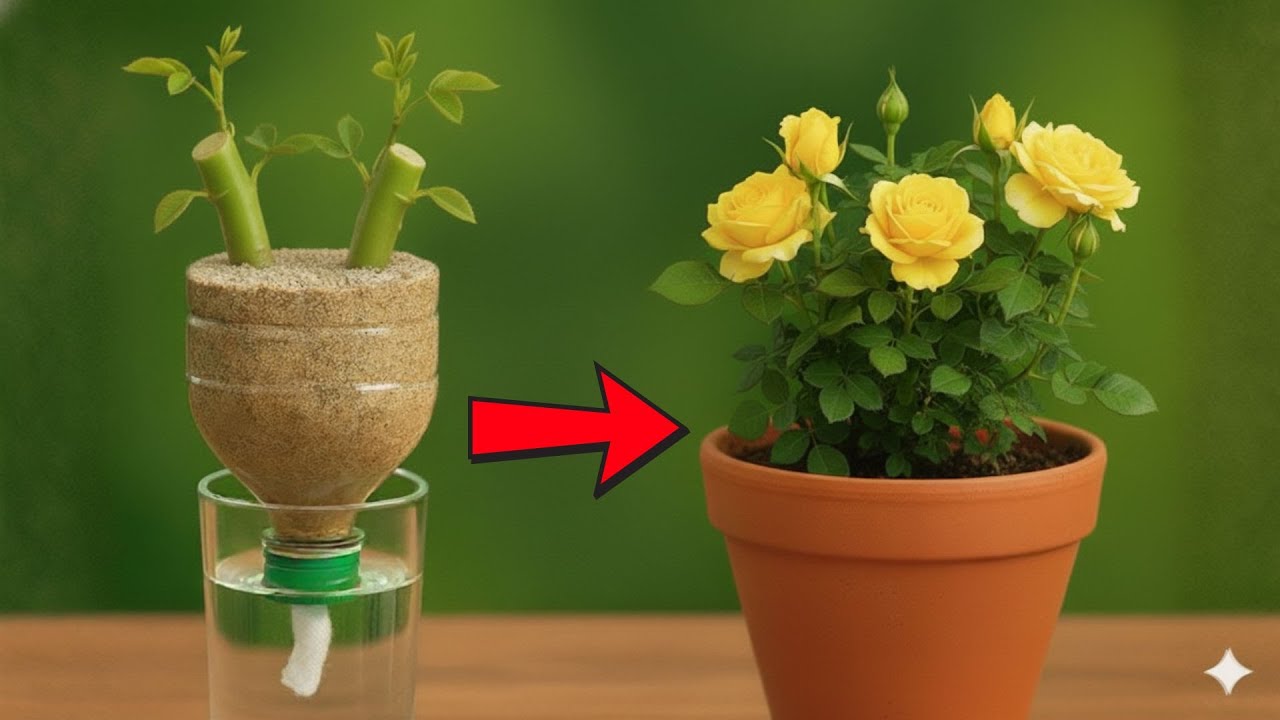
- Prepare the wick: You can use cotton or jute rope; cut it into lengths that will reach both the water and the cuttings.
- Insert the wick: Place one end of the wick into the container of water, ensuring it’s submerged, and the other end will touch the base of your cuttings.
- Secure the cuttings: Place the cuttings upright in the container, ensuring the wick is positioned correctly for moisture transfer.
- Position the setup: Place your container in a warm spot with bright, indirect sunlight for optimal growth.
Common Mistakes to Avoid
As you embark on your journey with the wick method, it’s vital to know what pitfalls to avoid. Here are some common mistakes:
- Using weak cuttings: Weak or diseased cuttings are unlikely to root successfully, so always choose robust stems.
- Overcrowding the container: Too many cuttings can lead to competition for resources, stunting growth.
- Neglecting water levels: While the wick system assists with moisture, ensure the water reservoir doesn’t dry out completely.
- Ignoring drainage: Make sure your container allows for some drainage; standing water can promote rot.
- Not being patient: Rooting takes time. Keep an eye out, but allow your cuttings several weeks to develop roots.
FAQ
How long does it take for rose cuttings to root using the wick method?
Typically, you can expect to see roots forming within two to four weeks, depending on the variety of roses and environmental conditions.
Can I use other plants with this method?
Yes, many plants benefit from the wick method, especially those that thrive in moist environments, such as hydrangeas and hibiscus.
Do I need to fertilize cuttings while rooting?
It’s best to avoid fertilizing until the cuttings have developed strong roots. Once they are established, you can start with a diluted liquid fertilizer.
Conclusion
The wick method is an effective way to grow your rose cuttings while ensuring they receive the right amount of moisture. By preparing your cuttings properly and following the simple setup, you can enjoy a flourishing garden soon. What varieties of roses are you interested in propagating? Feel free to share your experiences in the comments below!