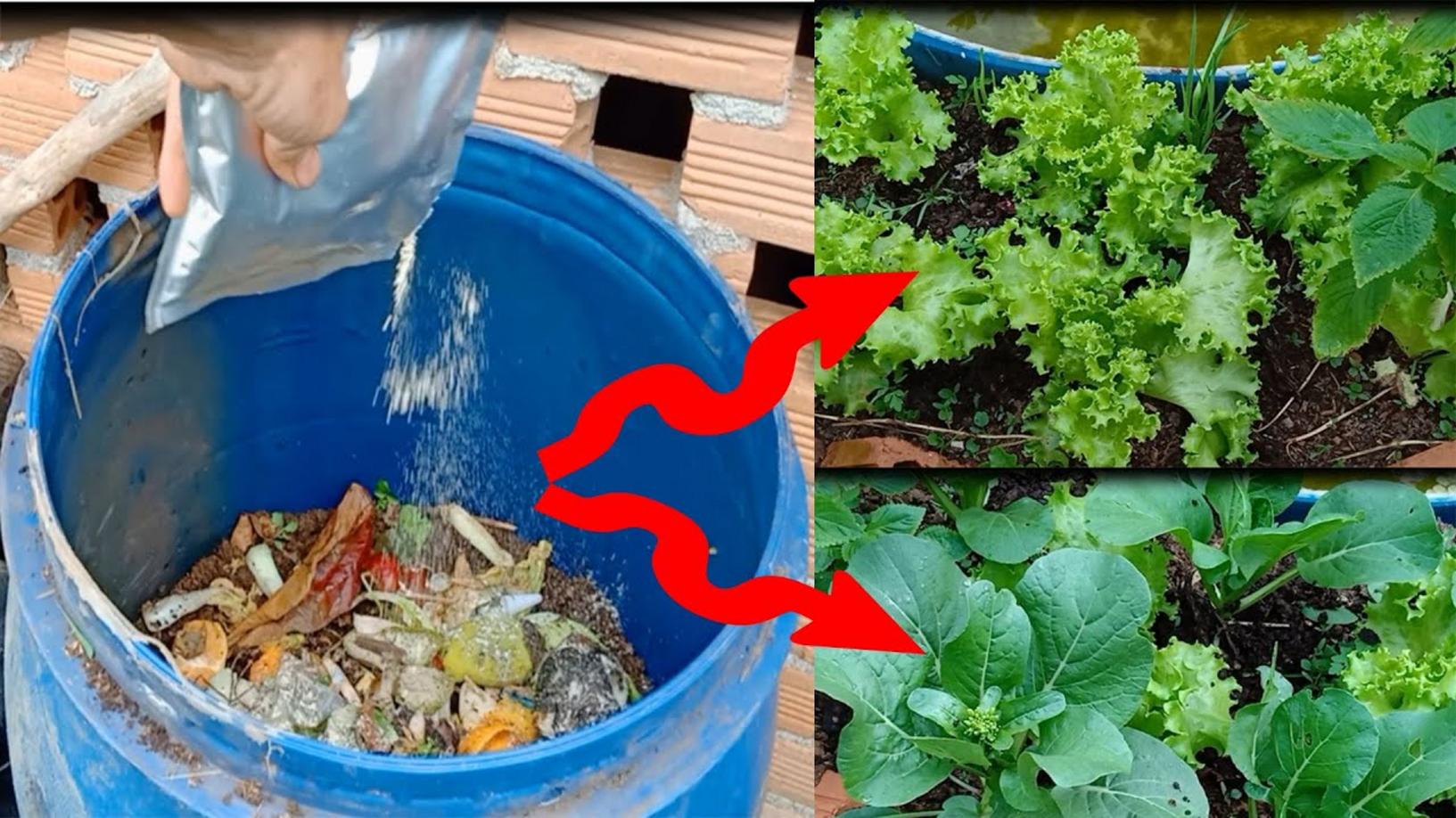
This simple kitchen waste trick transforms your garden into a thriving paradise…
This Simple Kitchen Waste Trick Transforms Your Garden into a Thriving Paradise
Unlock the Power of Kitchen Waste
Every day, we toss away countless scraps, unaware of the potential they hold for our gardens. Embracing **kitchen waste** recycling can transform your garden into a lush oasis. Let’s dive into how you can turn your leftovers into invaluable resources for your plants!
Step-by-Step Guide to Starting Your Kitchen Waste Composting
1. Choose Your Compost Bin
The first step is selecting a suitable compost bin. You can purchase one or easily create your own using wooden pallets or plastic containers. Make sure your bin has a lid to keep pests out. It should also provide adequate airflow for the decomposition process.
2. Gather Your Kitchen Scraps
Focus on collecting **fruit and vegetable peels**, coffee grounds, eggshells, and leftover grains. Avoid oils, dairy, and meat as they can attract unwanted pests. Keep a small container in your kitchen to make the collection easy.
3. Layer Your Waste
Start by layering your compost bin. Begin with a base of brown materials like dried leaves or cardboard. Follow with green materials, which include your **kitchen scraps**. Aim for a balance of about 3 parts brown to 1 part green for optimal decomposition.
4. Maintain Your Compost
Turn your compost regularly to aerate it. This encourages faster breakdown and reduces smells. Keep the compost moist but not soggy—think of a wrung-out sponge.
5. Harvest Your Compost
After several weeks to a few months, your compost will become dark and crumbly. This rich, organic matter will enrich your garden soil. Mix it into your garden beds or use it as a top dressing around your plants.
Practical Tips from Experience
- Start small: If you’re new to composting, start with a small bin to avoid feeling overwhelmed.
- Be patient: Composting is a process that takes time. Don’t rush it and give your materials time to break down.
- Watch the balance: Maintain a good balance between green and brown materials to avoid a smelly mess!
Common Mistakes to Avoid
- Too much moisture: Ensure your compost isn’t too wet. If it is, add more dry materials.
- Neglecting aeration: Turning your compost is crucial for effective decomposition.
- Ignoring pests: Keep scraps covered to deter rodents and other pests from raiding your compost.
Conclusion: Transform Your Garden Today!
By using **kitchen waste** wisely, you not only reduce landfill contributions but also significantly enrich your garden’s soil. Imagine the lush plants and vibrant flowers thriving on your compost. Start your composting journey today and watch your garden flourish like never before!
If you found this article helpful, don’t forget to **share** it and let your friends join in! Together, you can turn your everyday scraps into a thriving garden paradise. Happy gardening!