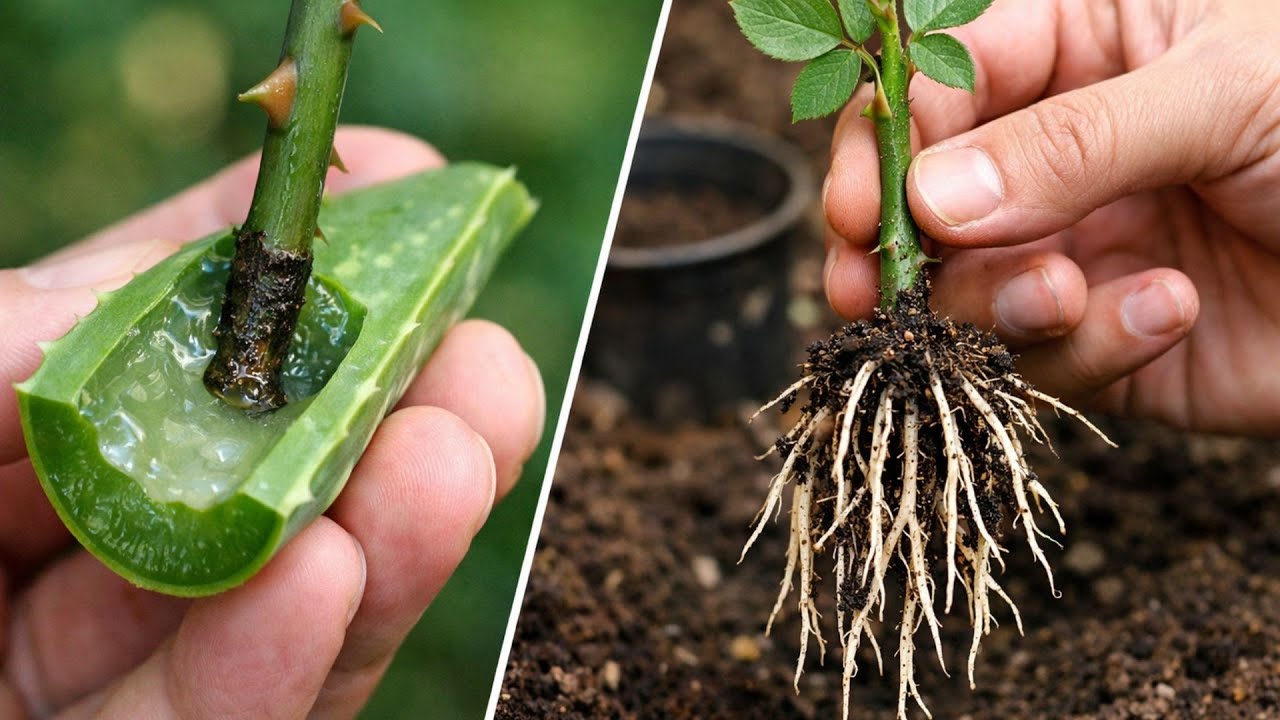
5 Simple Secrets to Help Your Rose Cuttings Root Faster 🌹
5 Simple Secrets to Help Your Rose Cuttings Root Faster
When you take rose cuttings, you’re often hopeful that your beautiful blooms will soon grace your garden. However, many gardeners find themselves frustrated when they discover their cuttings aren’t rooting as quickly as they’d like. Often, the process can feel daunting, raising questions about the right techniques and conditions. Fortunately, there are specific secrets that can significantly boost the success rate of your rose cuttings. Let’s explore these tips to help you nurture your garden dreams.
Understanding Rose Cuttings
Rooting rose cuttings can be a rewarding experience, allowing you to propagate your favorite varieties with ease. Understanding the basics can set you on the right path.
Types of Rose Cuttings
There are primarily two types of cuttings you might consider:
- Softwood Cuttings: Taken during the growing season, these cuttings are flexible and still have some green leaves. They root quickly but may require more attention.
- Hardwood Cuttings: Taken in late fall or winter, these are more rigid and have a higher chance of survival in varying conditions.
Ideal Conditions for Rooting
Cuttings thrive in certain environments. Providing the right conditions is crucial for promoting quick and healthy rooting:
- Temperature: Keep them in a warm area, ideally between 70°F and 75°F.
- Light: Indirect sunlight is best, as direct rays can scorch the cuttings.
Essential Materials
Gathering the correct tools and materials is vital for ensuring success when rooting your rose cuttings. Make sure you have the following:
Tools and Supplies
- Sharp Pruning Shears: To ensure clean cuts, minimizing the risk of disease.
- Rooting Hormone: This helps stimulate root growth and can significantly accelerate the process.
- Potting Mix: A well-draining mix is important to prevent waterlogging.
Containers
Choosing the right container is essential for your cuttings. Consider these:
- Small pots or seed trays with drainage holes.
- Plastic cups can work in a pinch but ensure they are not too deep.
Step-by-Step Guide to Rooting
Now, let’s walk through the practical steps to help your rose cuttings root faster.
- Choose the Right Time: Ideally, take cuttings in the early morning when the plants are hydrated.
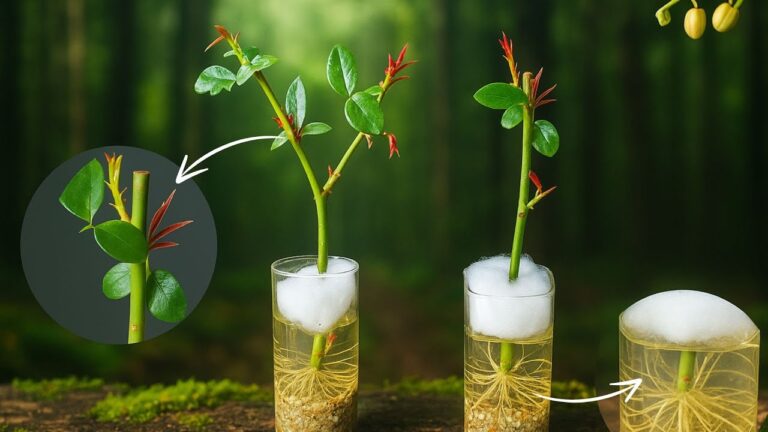
- Prepare Your Cuttings: Cut 6-8 inch sections from a healthy rose stem just below a node. Remove the lower leaves to increase rooting success.
- Apply Rooting Hormone: Dip the cut end of each cutting into rooting hormone, shaking off any excess. This encourages root growth.
- Plant Cuttings: Plant the cuttings in your prepared potting mix, burying them about halfway. Ensure they have enough space to grow.
- Water and Cover: Gently water the cuttings until the mix is moist. Cover with a plastic bag to create a humid environment, but ensure there’s some airflow to avoid mold.
Monitoring Your Cuttings
Check on them frequently. Water lightly when the soil feels dry; maintain humidity but allow for ventilation.
Transplanting
Once roots develop, usually in a few weeks, they can be transplanted into bigger pots or directly into the garden. Monitor their transition carefully.
Common Mistakes
Even experienced gardeners can make mistakes when rooting rose cuttings. Here are some common pitfalls and how to avoid them:
- Not Using Rooting Hormone: Skipping this step can slow down the rooting process significantly.
- Overwatering: This can lead to root rot. Ensure the soil is moist but not soggy.
- Poor Quality Cuttings: Always select healthy stems; damaged or diseased cuttings won’t root.
- Inadequate Light Conditions: Make sure you provide sufficient indirect light to encourage growth.
- Ignoring Humidity Levels: Too little humidity can inhibit rooting. Adjust your coverings accordingly.
FAQs
How long does it take for rose cuttings to root? Depending on the variety and conditions, it typically takes 2-4 weeks for rose cuttings to root.
What is the best time of year to take rose cuttings? Late spring and early summer are ideal for softwood cuttings, while late fall is best for hardwood cuttings.
Can I use kitchen scraps for rooting? Yes, you can try using potato pieces around the cut end as a makeshift rooting medium.
Conclusion
Following these simple secrets can greatly improve the success of your rose cuttings. By ensuring the right conditions and avoiding common pitfalls, you’ll be well on your way to flourishing roses in your garden. What type of roses do you look forward to propagating?