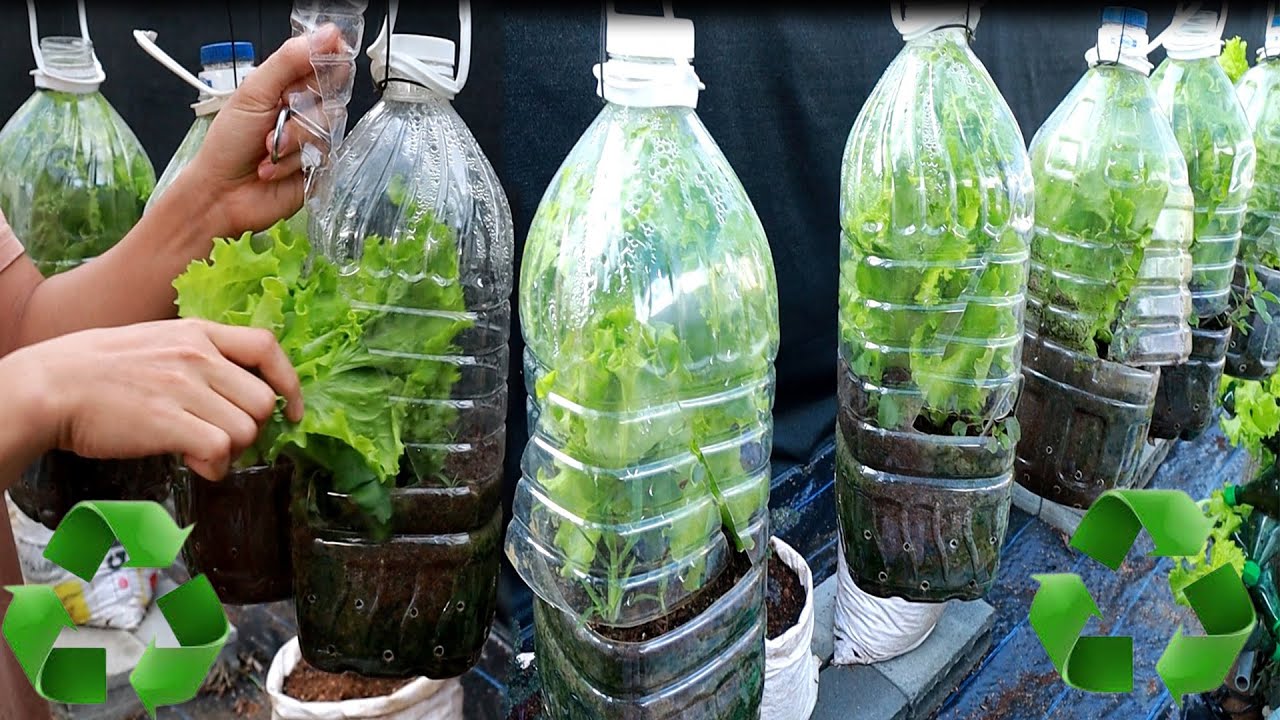
5 Easy Steps to Grow Greens in Your Mini Greenhouse
5 Easy Steps to Grow Greens in Your Mini Greenhouse
- Introduction
- Choosing Your Greens
- Preparing Your Mini Greenhouse
- Planting and Caring for Greens
- Common Mistakes to Avoid
- FAQ
- Conclusion
Introduction
Have you ever wanted to enjoy fresh greens from your own garden but thought you lacked the space? Growing greens in a mini greenhouse can be the perfect solution. It allows you to cultivate a variety of leafy vegetables, even in limited areas. However, the process may seem daunting if you’re unsure how to start. Let’s explore how to grow greens in your mini greenhouse with a few simple steps.
Choosing Your Greens
Choosing the right types of greens for your mini greenhouse is critical for successful growth. Here are some popular options:
- Spinach: Fast-growing and nutritious, perfect for salads.
- Lettuce: A variety of types like romaine and butterhead can thrive.
- Swiss Chard: Colorful and resilient; great for cooking.
- Kale: Hardy with high nutritional value, great for smoothies.
Consider your growing conditions, such as light and temperature, when selecting your greens, and aim for varieties that will flourish in the environment of your mini greenhouse.
Preparing Your Mini Greenhouse
Before you start planting, it’s essential to prepare your mini greenhouse:
- Clean Your Greenhouse: Remove any old plants, debris, or pests that may hinder new growth.
- Ensure Proper Ventilation: Open vents or doors to facilitate airflow—this helps prevent mold and keeps temperatures balanced.
- Check Soil Quality: Use well-draining potting soil rich in organic matter for optimal growth.
Creating the right environment will support your greens as they grow. Adequate sunlight is vital; place your mini greenhouse in a location that receives at least six hours of direct sunlight daily.
Planting and Caring for Greens
With your mini greenhouse ready, it’s time to plant and care for your greens:
Planting Your Greens
Follow these steps for planting:
- Prepare Seedlings or Seeds: If using seedlings, select healthy young plants. If planting seeds, check packet instructions for depth and spacing.
- Water the Soil: Ensure the soil is moist but not waterlogged before planting.
- Carefully Plant Seeds or Seedlings: Place seeds in the soil following the recommended spacing, or transplant seedlings carefully to avoid damaging roots.
Caring for Your Greens
Ongoing care is essential:
- Watering: Keep the soil consistently moist, checking daily—avoid letting it dry out.
- Nutrients: Use organic fertilizers every few weeks to encourage growth.
- Pest Management: Regularly inspect for pests like aphids and remove them promptly. Consider companion planting to deter unwanted insects.
Common Mistakes to Avoid
While growing greens can be rewarding, there are common pitfalls you should be aware of:
- Overwatering: Too much water can lead to root rot; always check soil moisture.
- Ignoring Temperature: Greens can bolt if temperatures rise too high; monitor conditions inside the greenhouse.
- Neglecting Light Needs: If your greens are not thriving, ensure they’re getting sufficient sunlight.
- Planting Too Closely: Overcrowding can stunt growth; adhere to spacing guidelines.
FAQ
What greens grow best in a mini greenhouse? Spinach, lettuce, Swiss chard, and kale are ideal for mini greenhouses due to their adaptability and quick growth.
How often should I water my plants? Check daily; typically, greens in a mini greenhouse need watering every 1-2 days, depending on humidity and temperature.
Can I grow greens year-round? Yes, with proper management of temperature and humidity, you can grow greens throughout the year in a mini greenhouse.
Conclusion
Growing greens in your mini greenhouse can be a rewarding and simple endeavor. By choosing the right varieties, preparing your space thoughtfully, and providing ongoing care, you can have fresh greens at your fingertips. What greens are you excited to grow first?