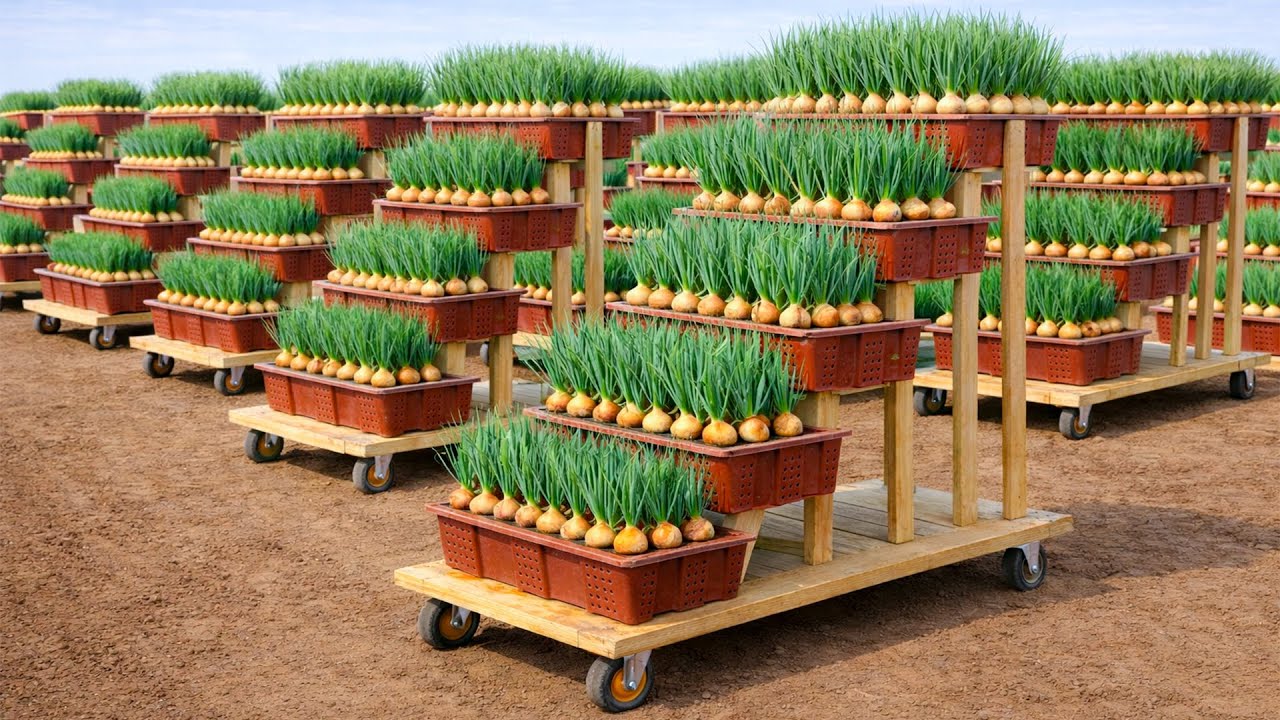
5 Creative Ways to Grow Green Onions in Used Plastic Fruit Crates!
5 Creative Ways to Grow Green Onions in Used Plastic Fruit Crates
- Introduction
- Benefits of Growing Green Onions
- Preparing Your Plastic Crates
- Planting Techniques for Success
- Maintenance Tips for Healthy Onions
- Common Mistakes to Avoid
- FAQ
- Conclusion
Introduction
Have you ever noticed how versatile your kitchen scraps can be? Particularly, green onions—those fragrant additions to many dishes—can sprout again and again with just a little care. Instead of tossing out the remnants, you can easily cultivate them in used plastic fruit crates. This option not only conserves resources but also adds greenery to your space. Curious about how to master this simple gardening technique? Let’s explore some practical ways to grow green onions in your recycled crates.
Benefits of Growing Green Onions
Growing your own green onions is both satisfying and beneficial for your kitchen. Here are a few advantages of cultivating these tasty vegetables:
- Cost-effective: By using leftover scraps, you reduce grocery costs.
- Freshness: You can harvest just what you need, ensuring freshness in your meals.
- Space-saving: Plastic crates can be placed in small areas, making them ideal for urban gardening.
Flavor and Nutrition
Green onions not only enhance the flavor of various dishes but also pack vitamins A, C, and K, along with antioxidants beneficial for your health.
Eco-friendly Gardening
Utilizing plastic fruit crates contributes to sustainability efforts by reducing waste, making your gardening practices environmentally friendly.
Preparing Your Plastic Crates
To begin, make sure your plastic fruit crates are ready for planting. Proper preparation can lead to a lush harvest.
- Clean the crates thoroughly to remove any residues or contaminants.
- Drill small holes in the bottom to ensure proper drainage.
- Add a layer of gravel or small stones to the bottom to enhance drainage further.
- Fill the crates with high-quality potting soil, leaving some space at the top.
Choosing the Right Crates
It’s helpful to choose crates that are sturdy and have good ventilation. Consider crates that have not been painted or treated with harmful chemicals.
Soil Considerations
Opt for a well-draining soil mix. A blend specifically designed for vegetable gardening will provide the necessary nutrients for healthy growth.
Planting Techniques for Success
Knowing how to properly plant your green onions will significantly enhance your chances of a bountiful harvest.
- Cut the green onion bulbs about 2 inches from the base.
- Place the bulbs in the soil, ensuring they are spaced about 4-6 inches apart.
- Cover them lightly with soil, leaving the tops exposed.
- Water the soil gently to avoid washing away the seeds.
Seedling vs. Bulbs
You can choose to plant either seeds or the cut bulbs. Seeds may take longer to sprout, while bulbs can start growing right away.
Spacing and Arrangement
Proper spacing is essential for airflow, which helps prevent disease. Arranging the plants in a staggered formation can maximize your crate’s planting area.
Maintenance Tips for Healthy Onions
Once planted, maintaining your green onions will assist in their growth and longevity.
- Water them regularly, ensuring the soil remains moist but not soggy.
- Fertilize once a month with a balanced organic fertilizer to boost growth.
- Harvest the outer leaves when they reach about 6 inches in height; this encourages further growth.
Sunlight Needs
Green onions thrive in bright sunlight. Position your crates in a location where they can receive at least 6-8 hours of sunlight daily.
Pest Management
Regularly check for signs of pests. If you notice any, consider using a mixture of water and eco-friendly soap as a natural remedy for control.
Common Mistakes to Avoid
As you embark on your green onion journey, here are some common errors to watch out for:
- Overwatering: Too much water can lead to root rot, so ensure you’re not saturating the soil.
- Insufficient Light: Without enough sunlight, your onions will become weak and leggy.
- Ignoring Drainage: Skipping drainage holes can cause water to pool, harming the roots.
- Neglecting Fertilizer: Omitting nutrients can stunt growth, so regular feeding is essential.
- Harvesting Too Early: Ensuring the green onions are fully grown will result in better flavor.
FAQ
How long does it take for green onions to grow? Typically, green onions can be harvested within 14 to 30 days after planting, depending on growing conditions.
Can I reuse the same crate for multiple crops? Yes, but it’s wise to clean the crate thoroughly and consider rotating crops to prevent soil depletion.
Do green onions need warm temperatures? They thrive best in temperatures between 60°F to 75°F, but they can tolerate cooler conditions as well.
Conclusion
Growing green onions in used plastic fruit crates offers a fantastic way to recycle and enjoy fresh ingredients at home. By following some simple planting and maintenance strategies, you can cultivate a thriving green onion garden. What creative container gardening projects have you tried at home?