Grow Rose Branches 5 Times Faster with These 7 Natural Methods!
Grow Rose Branches 5 Times Faster with These 7 Natural Methods
- Introduction
- Natural Methods for Fast Growth
- Materials Needed
- Common Mistakes to Avoid
- FAQ
- Conclusion
Introduction
Have you ever felt frustrated watching your rose bushes take their time to flourish? Waiting for those vibrant blooms and lush foliage seems like a never-ending process. As a gardener, you might be eager to discover ways to encourage your plants to grow more vigorously. Learning how to effectively cultivate rose branches can transform your garden into a stunning spectacle. Stay with us to find out how you can accelerate that growth naturally.
Natural Methods for Fast Growth
Utilizing natural methods can significantly enhance the growth rate of your rose branches. Here are seven effective techniques to help you get started:
- Water Wisely: Ensure your roses receive appropriate watering. Deep, infrequent watering encourages roots to grow deeper, leading to stronger plants.
- Fertilize Naturally: Use organic fertilizers like compost or well-rotted manure. They provide essential nutrients without the risk of chemical buildup.
- Mulch Regularly: Applying a layer of mulch helps retain soil moisture and suppresses weeds. Organic mulch also enriches the soil as it breaks down.
- Prune Correctly: Regular pruning helps eliminate dead or weak branches. This encourages new growth and allows sunlight to penetrate the plant fully.
- Encourage Pollinators: Attract bees and butterflies by planting companion flowers nearby. This can lead to better fruit and seed production.
- Observe Your Soil: Regularly check your soil’s pH and nutrient levels. Balanced soil is crucial for healthy growth; aim for slightly acidic soil.
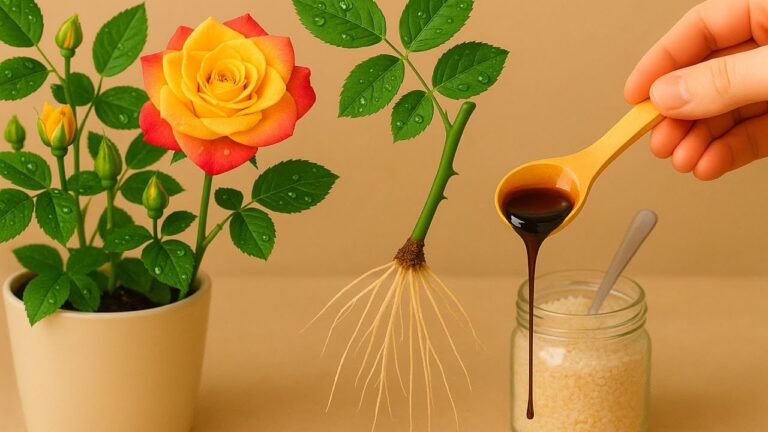
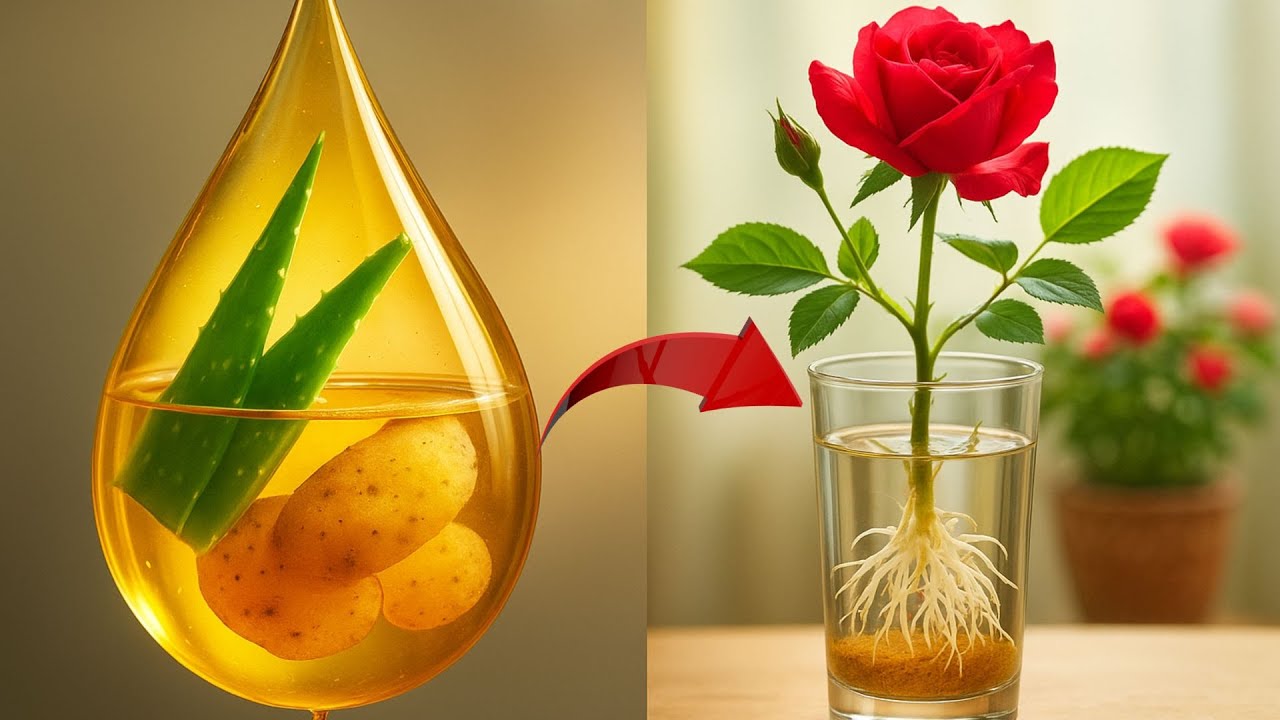
- Utilize Rooting Hormones: Natural rooting hormones can boost the growth of rose cuttings. You can make your own using honey or aloe vera.
Step-by-Step Watering Tips
To ensure your roses are well-watered:
- Water in the early morning to prevent evaporation.
- Make sure the water penetrates at least 12 inches into the soil.
- Avoid wetting the leaves to reduce the risk of fungal diseases.
Choosing the Right Fertilizers
Selecting the right organic fertilizer is essential:
- Compost: Provides balanced nutrients and enhances soil structure.
- Fish emulsion: Great for giving an immediate nutrient boost.
- Bone meal: A good source of phosphorus for root development.
Materials Needed
Before you start implementing these methods, gather the following materials:
- Organic fertilizer (compost or manure)
- Mulch (bark, straw, or grass clippings)
- Pruning shears for trimming
- Watering can or hose with a spray nozzle
- Soil testing kit for analyzing pH levels
- Natural rooting hormone (honey or aloe vera)
Essential Gardening Tools
Besides the materials, having the right tools can make a significant difference:
- Gloves: Protect your hands while gardening.
- Spade: For digging and moving soil.
- Rake: To clear debris and even out mulch.
Common Mistakes to Avoid
While growing rose branches, it’s easy to make some common mistakes. Here are five of them to steer clear of:
- Overwatering: Too much water can cause root rot. Ensure the soil has good drainage.
- Neglecting to mulch: Without mulch, the soil may dry out too quickly. Always replenish as needed.
- Pruning at the wrong time: Timing is crucial. Ideally, prune in late winter or early spring before new growth begins.
- Forgetting about pests: Keep an eye out for aphids and other pests that can damage your roses.
- Ignoring signs of nutrient deficiencies: Yellowing leaves can indicate a lack of nutrients. Take prompt action.
FAQ
How can I tell if my rose plant is healthy? Healthy roses typically have green leaves, strong stems, and vibrant blooms. Regular inspection for pests and diseases is also crucial.
What is the best time of year to plant roses? Late winter to early spring is usually the best time, as it allows the plants to establish before the summer heat.
How often should I fertilize my roses? Typically, fertilizing every 4 to 6 weeks during the growing season is beneficial. Adjust based on your soil testing results.
Conclusion
By employing these natural methods, you can encourage your rose branches to grow faster and healthier. Implement these techniques consistently for the best results. Are there specific plants in your garden that you wish would thrive more? Share your experiences in the comments below!